
The Ashanti Regional Director of the National Disaster Management Organisation (NADMO), Alhaji Nasir Mohammed Ibrahim, has expressed serious concern over the growing number of deaths caused by drowning in abandoned galamsey pits.
In a statement issued on Friday, July 17,2026, he described the situation as a major humanitarian challenge confronting the region.
He disclosed that 23 people, comprising 12 adults and 11 children lost their lives between January and June 2026 after drowning in abandoned galamsey pits across 19 districts in the Ashanti Region.
Alhaji Ibrahim hinted that NADMO recovered 19 bodies during the period, while four victims remain missing.
He observed that illegal mining activities continue in 23 districts across the region, increasing the risk of fatal accidents, particularly during the rainy season.
He appealed to the miners, Metropolitan, Municipal and District Assemblies (MMDAs), and other stakeholders to partner with NADMO to establish, train and equip rescue divers and emergency swimmers capable of responding swiftly to drowning incidents.
“The miners and assemblies must necessarily support NADMO to train and equip divers and rescue swimmers to curtail these fatalities in the second half of 2026 and beyond,” he appealed.
He touched on the public health benefits of ongoing drainage desilting and clean-up exercises being undertaken across the region.
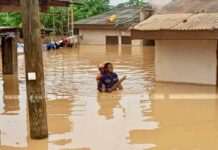
He explained that flooding often carries faecal matter, refuse and other contaminants into homes, kitchens, warehouses and bedrooms, creating conditions that increase the spread of diseases such as cholera, typhoid and malaria, while also exposing victims to emotional stress and hardship.
According to him, the sustained clean-up campaign has significantly reduced these health risks by improving the flow of stormwater and promoting cleaner communities.
He added that the exercise has also heightened public awareness on proper sanitation and waste disposal, encouraging residents to report or discourage indiscriminate dumping of refuse that blocks drainage systems and contributes to flooding.
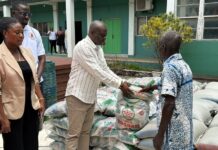
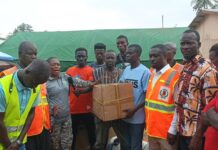
He further disclosed that the organisation’s headquarters, together with several non-governmental and faith-based organisations, have been supporting disaster victims in parts of the country through coordinated relief interventions.
He cited The Church of Jesus Christ of Latter-day Saints, the Qatar Foundation, and Stanbic Bank Ghana among institutions currently providing relief items to flood victims in Accra in collaboration with NADMO.
Alhaji Ibrahim appealed to corporate organisations, development partners, faith-based institutions and philanthropists to extend similar support to the Ashanti Region to strengthen disaster preparedness, emergency response and recovery efforts.
He emphasized that sustained collaboration among government agencies, local authorities, private sector organisations and community members remains essential to reducing disaster risks and protecting lives and property across the region.
By Benjamin Aidoo