
The Minority in Parliament is pushing for the establishment of an ad hoc committee to investigate the country’s gold-for-reserves programme.
The have cited concerns over transparency, financial losses, and governance.
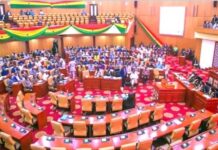
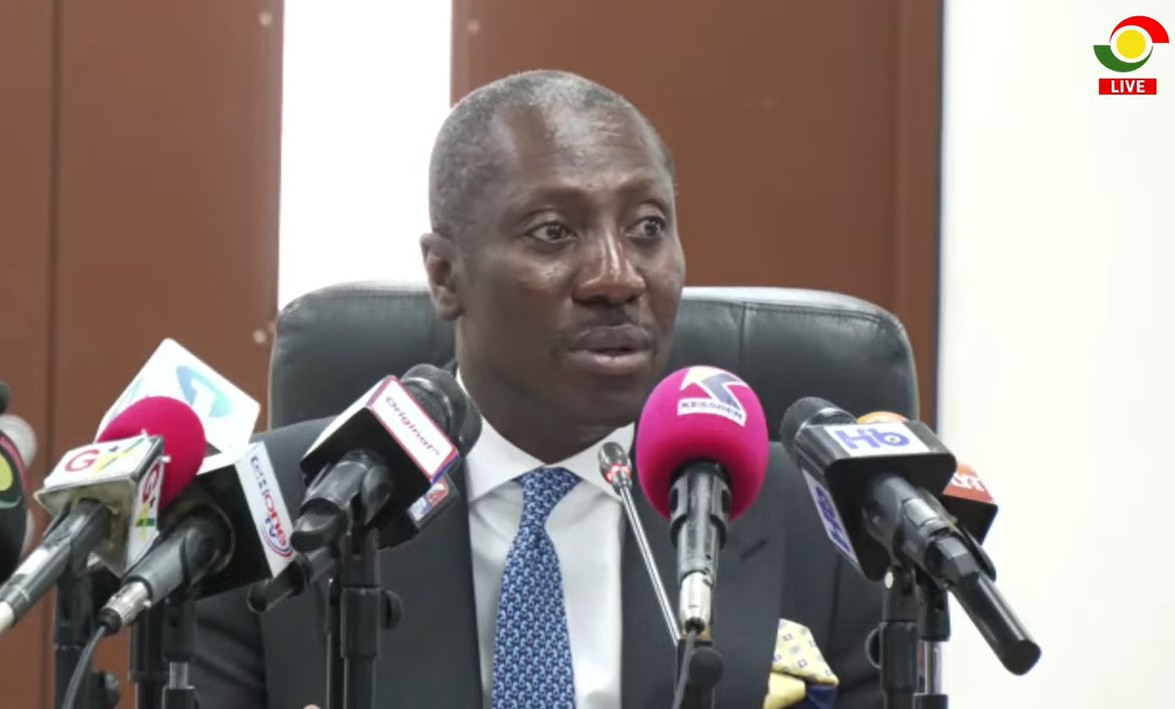
Leading the call on the floor of the House, Minority Leader Alexander Afenyo-Markin moved a motion for a bipartisan parliamentary inquiry into the operations of the programme, including its design, implementation, and overall impact.
He told the House that the Ghanaian public deserves full disclosure on how the programme has been managed, particularly amid reports of significant financial discrepancies.
“The Ghanaian people deserve to know how and why… you cannot sell gold and make losses,” he said.
According to the Minority Leader, initial reports suggested losses of about 214 million dollars, but newer figures indicate the losses may have ballooned to as much as 700 million dollars.
He argued that such developments warrant urgent parliamentary scrutiny, stressing that “no document, no testimony” should be left unexamined.
The proposed committee, he said, would be bipartisan and independent, aimed at commanding the confidence of civil society organisations and the media.
The motion outlines a broad mandate for the committee, including:
• Examining the legal and regulatory framework of the programme
• Assessing financial performance and risk management systems
• Reviewing transparency and accountability mechanisms
• Investigating environmental and social impacts
The probe is also expected to look into the role of key institutions, including the Bank of Ghana.
The Minority is proposing that the committee be granted full powers to summon persons, demand documents, and hold public hearings.
Afenyo-Markin stressed that press releases and social media explanations would not suffice, insisting that evidence must be presented before Parliament.
“We don’t need press releases… the evidence must be procured before the people’s representatives,” he said.
The motion further recommends the engagement of independent experts, including forensic accountants and environmental scientists, to support the committee’s work.
This, the Minority believes, will ensure a thorough and credible investigation into the programme.
If approved, the committee is expected to submit its findings and recommendations to Parliament within 30 days.
The Minority insists the move is in the national interest and not politically motivated, emphasizing the need to safeguard public funds and restore confidence in the management of Ghana’s natural resources.
By Evelyn Tengmaa