

In a landmark initiative to combat prison overcrowding and enhance access to justice, a special court session was convened on Thursday, March 26,2026 within the Sunyani Central Prisons.
This event is part of the ongoing Justice for All programme, dedicated to addressing applications filed on behalf of remand prisoners.
The Justice for All programme session at Sunyani prisons highlighted crucial insights into the judicial process, reporting a total of 19 applications processed.
The outcomes included 4 cases struck out, 8 bail applications granted, 2 referrals for psychiatric treatment, 1 bail application refusal, and 4 convictions through plea bargains.
Addressing the media after the programme, Justice Angelina Mensah-Homiah of the Court of Appeal highlighted that these statistics underscore that the Justice for All programme transcends mere overcrowding solutions; it symbolizes Ghana’s dedication to upholding the rule of law, protecting human rights, and ensuring timely access to justice.

Justice Angelina Mensah-Homiah intimated that this year’s programme stands out as it has been exclusively organized and funded by various state agencies, including the Public Defenders Division of the Legal Aid Office, the Judicial Office, and the Office of the Attorney General.
She emphasized that Launched in 2007 under Chief Justice Georgina Wood, the programme has made impressive strides in decreasing the remand prisoner population.
Initially, the number of remandees stood at 4,218, accounting for over 30% of the total prisoner population. Recent data from the Ghana Prisons Records Unit indicates that as of March 25, 2026, there are 1,643 remandees among a total inmate population of 13,432, representing a significant reduction to about 12.23%.
Eric Opoku Bobbie, Regional Manager for the Legal Aid Commission, Ghana, emphasized the collaborative efforts in legal aid aimed at supporting vulnerable individuals in conflict with the law.
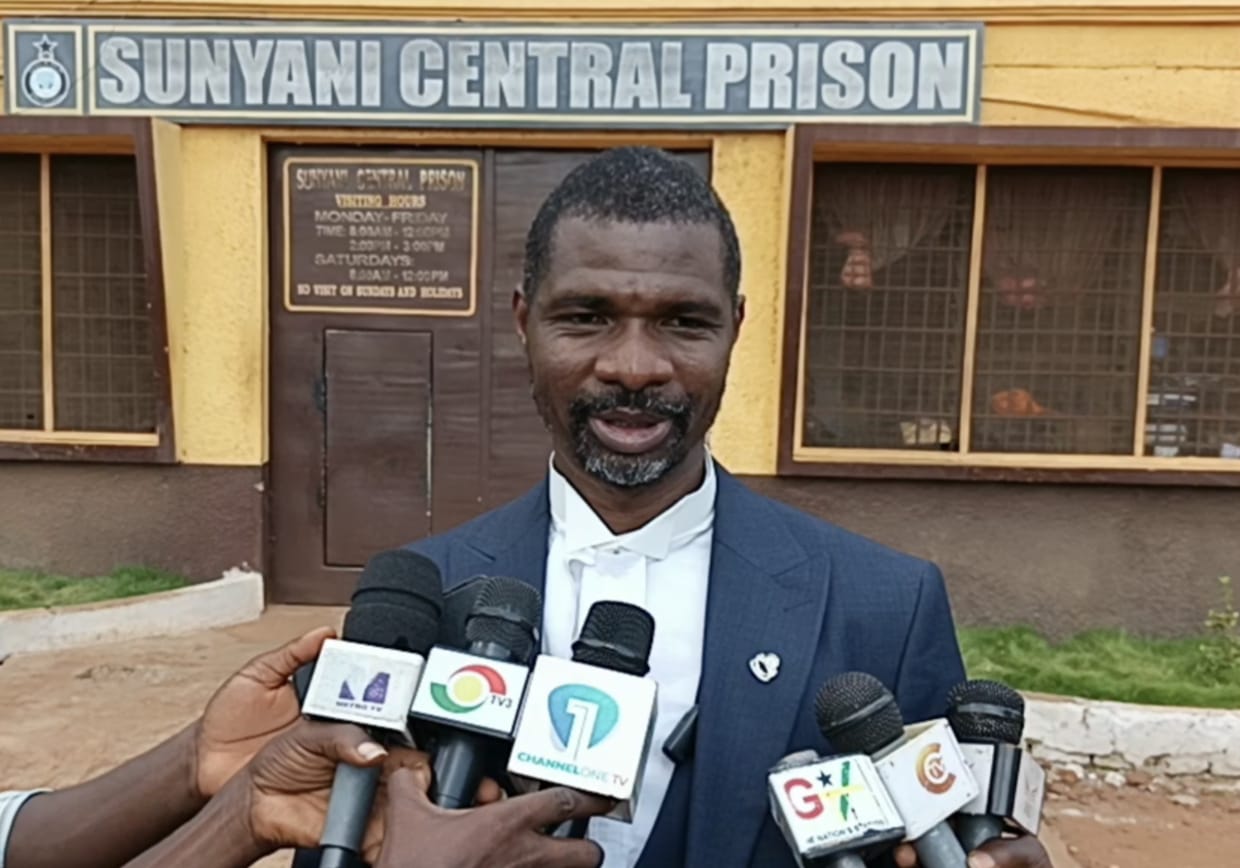
He acknowledged the contributions of both his office and the prison service in facilitating applications for the program, stressing the societal responsibility to assist the needy and ensure justice for all.
Superintendent Dennis Peasah, Regional Public Relations Officer of the Ghana Prison Service, underscored the necessity of timely justice for effective reintegration into society.

He noted that since the programme’s inception, the remand population has decreased from 33% to 8.5%.
However, challenges persist, with one male prison originally built for 400 now housing 608 inmates nearly 90% over capacity. To enhance the judicial process, he suggested increasing the frequency of hearings to allow judges to review more cases annually.
This progressive initiative marks another step forward in Ghana’s ongoing efforts to reform its justice system and improve conditions for inmates.
By Claude Kumi Abisa