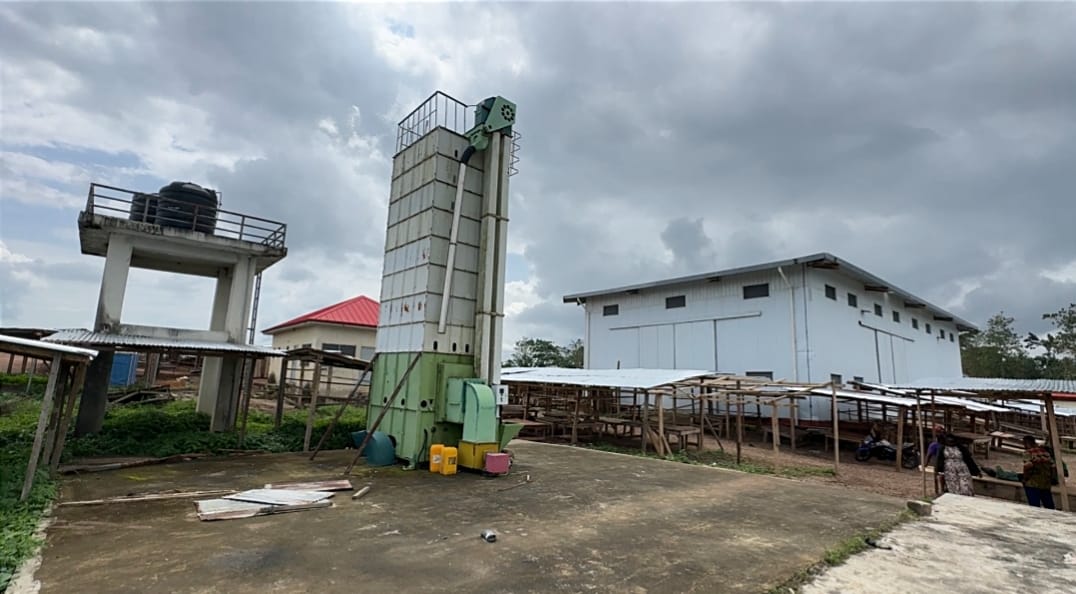

The Ministry of Food and Agriculture (MoFA) has failed to respond to a Right to Information (RTI) request for details of two agricultural warehouses in Juaboso and Suaman Dadieso in the Western North Region.
This is despite a formal application, a follow-up letter and a complaint to the Right to Information Commission.
The request, submitted on September 11, 2026, sought the names of the contractors, contract sums, sources of funding, commencement and completion dates, and the institutions responsible for supervising the projects. It also asked whether the facilities had been completed and handed over, and who manages and maintains them.
Under Section 23 of the Right to Information Act, 2019 (Act 989), a public institution must communicate its decision on an application within 14 days. That period lapsed in late September.
A follow-up letter on October 8 also went unanswered, and on October 19 a complaint was lodged with the RTI Commission. As of October 30, the Ministry had not responded, and the Commission had not given a substantive response to the complaint.
A pattern of delay
The silence has run well past the statutory timeline, even allowing for the extensions the law permits. No decision, refusal or request for clarification has been communicated. The Act obliges institutions to give reasons when they decline a request, so silence leaves the applicant, and the public, without an explanation or a clear basis for appeal.
Implications for accountability
The warehouses are meant to strengthen storage capacity and reduce post-harvest losses for farmers. Without contract agreements, payment records, completion certificates and handover documents, it is difficult to establish whether public funds were properly spent or whether the projects were delivered to specification.
The lack of information also makes it hard to determine who is answerable.
Construction of the Juaboso warehouse reportedly began in 2018, with handover around 2021, while the Dadieso facility has a stated capacity of 1,000 metric tonnes. Years after these milestones, the public cannot readily establish the cost of the projects, the contractors involved or the maintenance arrangements.
Weight on the RTI system
The delay also tests the enforcement mechanism of the RTI regime. The Commission is mandated to oversee implementation of the Act and to review complaints from dissatisfied applicants. Prolonged inaction by both the Ministry and the Commission risks weakening public confidence in the law’s promise of timely access to information held by public bodies.
For farmers in the two communities, the issue is practical. Reliable storage affects what they can earn from their harvests, and they have a stake in knowing whether public investments meant for them are working.
Act 989 sets clear timelines and gives applicants the right to seek a review where information is delayed or refused. Compliance is not optional for public institutions.
Connect FM has sought comment from MoFA and the RTI Commission. This story will be updated upon their response.
By Portia Cudjoe