
The Ministry of Education has approved a revised national curriculum that makes the teaching of Ghanaian languages compulsory from Kindergarten to Primary Three while proposing the introduction of Chinese and other foreign languages into Ghana’s basic education system.
The reforms, developed by the National Council for Curriculum and Assessment (NaCCA), are aimed at improving foundational learning, literacy, and cognitive development among young learners.
The revised curriculum follows years of debate among education stakeholders over the language of instruction at the basic school level.
While some experts have advocated the use of Ghanaian languages in the early years to improve comprehension and learning outcomes, others have maintained that English should remain the dominant language of instruction.
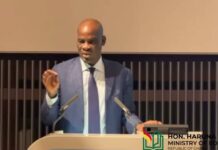
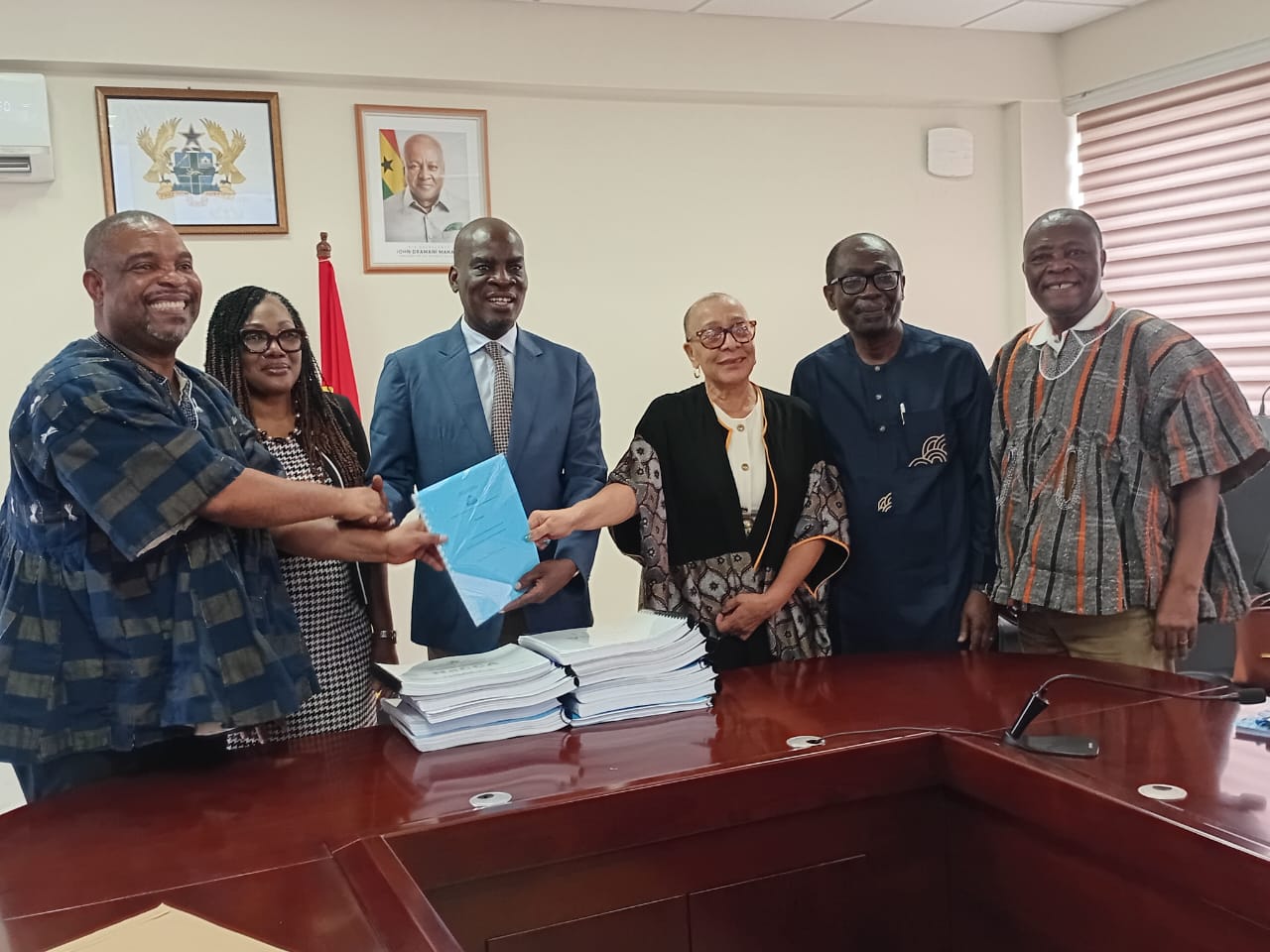
Speaking during the presentation of the reviewed curriculum to the Ministry of Education, Director-General of NaCCA, Professor Samuel Kweku Boadu Bekoe, said the curriculum has been designed to better prepare Ghanaian learners for an increasingly interconnected world.
He explained that the inclusion of Chinese reflects Ghana’s growing economic relationship with China.
“Ghana’s major trading partner is China and, looking into the future, we have also included into the curriculum, for government’s consideration, the study of Chinese,” Professor Bekoe said.
In addition to Chinese, the revised curriculum proposes the teaching of French and other foreign languages to expand students’ global competencies.
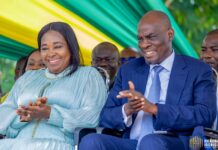
Receiving the revised curriculum, Minister for Education Haruna Iddrisu reaffirmed government’s commitment to strengthening foundational education through the compulsory use of Ghanaian languages from Kindergarten to Primary Three.
According to him, English will remain Ghana’s official language and the principal medium of instruction, but greater emphasis will be placed on local languages during the early years of schooling to improve understanding and literacy.
“English remains Ghana’s official language and medium of instruction, but from Kindergarten to Primary Three, our primary emphasis will be on the use of local language,” Mr. Iddrisu stated.
The Minister also welcomed the proposal to expose pupils to additional foreign languages at an early age.
“You have spoken about Chinese. There is also French, Arabic, Italian and German, and early oral exposure to these foreign languages can be helpful,” he said.
Mr. Iddrisu subsequently directed the Ghana Education Service (GES) to begin implementing the revised curriculum within one week.
“The Ghana Education Service is accordingly directed, within one week, to ensure the curriculum is considered and implemented,” the Minister instructed.
The revised curriculum is expected to reshape Ghana’s basic education by strengthening mother-tongue instruction during the formative years while introducing learners to international languages that could enhance future educational and economic opportunities.
By Daniel Opoku