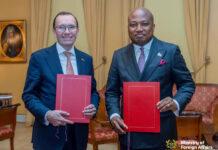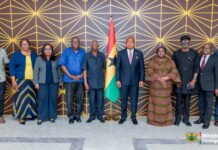

The Minister of Foreign Affairs, Samuel Okudzeto Ablakwa, has announced that Norway has pledged to work with President John Dramani Mahama’s AU chairmanship to tackle global challenges such as the debt crisis faced by many African countries, reviewing the global financial architecture, health sovereignty under Accra Reset, UN reforms, climate justice, protecting the rules-based system and peacekeeping operations.
This came to light on Wednesday, November 18, when Mr Abakwa honoured an invitation from the Foreign Minister of Norway, His Excellency Espen Barth Eide.
Mr Ablakwa said they held very fruitful and substantive bilateral discussions on advancing our relations in multiple sectors.
“Ghana and Norway are set to expand our maritime cooperation, increase investments in the oil and gas sector, outdoor initiatives in the blue economy and offer support for startups particularly in the digital economy,” he wrote on X after the engagement.
He stressed that “Norway has pledged to work with President Mahama’s AU chairmanship to tackle global challenges such as the debt crisis faced by many African countries, reviewing the global financial architecture, health sovereignty under Accra Reset, UN reforms, climate justice, protecting the rules-based system and peacekeeping operations.”
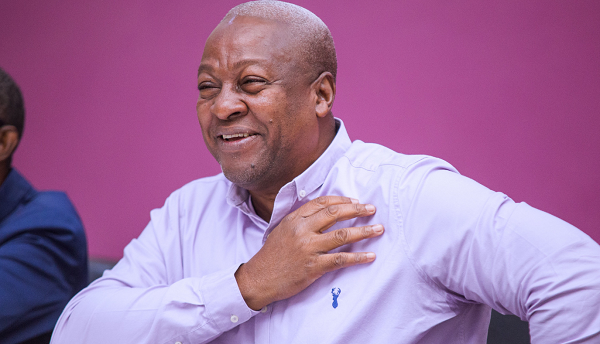
Meanwhile, President John Mahama has said that migration and continental integration will remain central to Ghana’s engagement with the African Union as the country prepares to assume the Union’s chairmanship in 2027.
He said Ghana would use its leadership role to advance discussions on the movement of people, regional cooperation and the removal of barriers that prevent Africans from fully benefiting from opportunities across the continent.
President Mahama made this known at the Metropolis International Migration Conference 2026 in Accra, where he outlined the need for African countries to translate their commitments on free movement into practical benefits for citizens.
He said the African Union Free Movement Protocol, the regional economic communities and Agenda 2063 had already provided direction for improving mobility across the continent, but there remained a wide gap between policy commitments and the experiences of ordinary Africans at border posts.
“The African Union Free Movement Protocol, our regional economic communities, and the Agenda 2063 provides clear direction in this regard. And yet the gap between the commitments we make in conference rooms and what an African citizen experiences at our border posts remains very wide,” he said.