
The opposition New Patriotic Party (NPP) has rejected the government’s approach to implementing proposed changes to the 1992 Constitution, arguing that the scale of the exercise amounts to a fundamental overhaul of Ghana’s constitutional order.
The party says government must not proceed with the proposed amendments without first establishing a broad-based deliberative process involving key stakeholders.
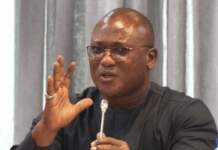
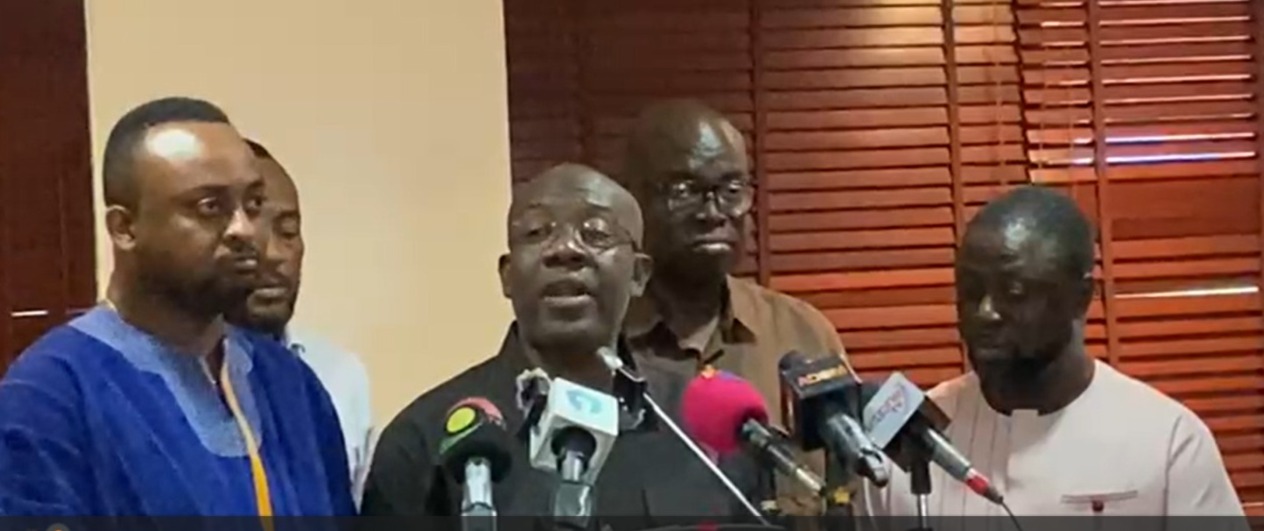
The position was articulated by the Chairman of the NPP’s Policy Committee and Member of Parliament for Ofoase/Ayirebi, Kojo Oppong Nkrumah, at a press conference in Accra on Wednesday, September 17, 2026.
“The New Patriotic Party therefore rejects this approach being pursued by the NDC government in essentially rewriting the 1992 constitution,” he said.
Oppong Nkrumah said the Constitution Review Committee has recommended amendments to 147 of the 299 articles of the Constitution, representing about 49 per cent of the existing document, as well as 59 new provisions.
He argued that the scale makes the exercise fundamentally different from an ordinary amendment.
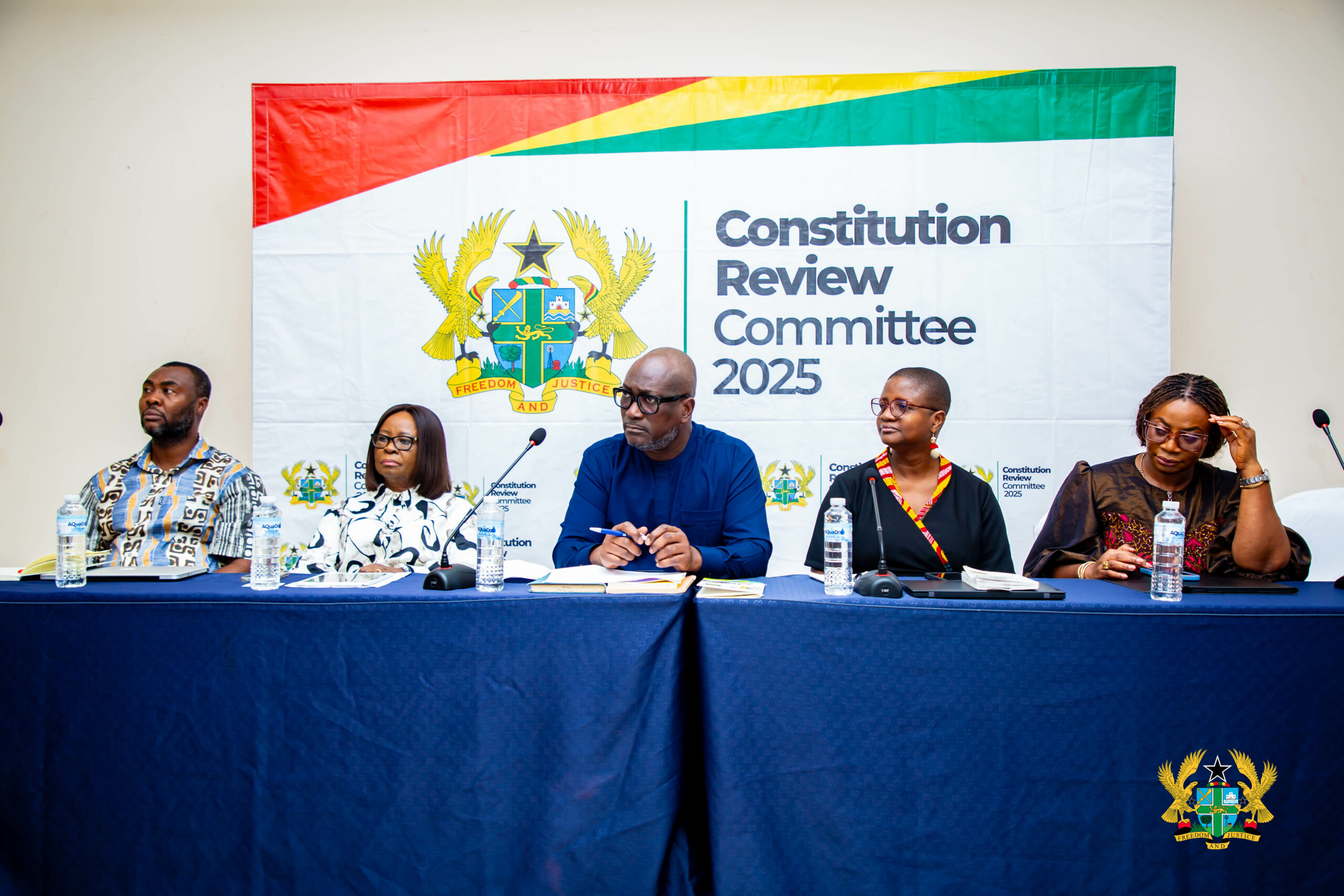
“Amendment 147 of 299 articles, together with 59 new provisions, that is 206 reaching into the executive, the legislature, independent constitutional bodies, and local government is not just an adjustment to some provisions of the constitution, they amount to the overhaul of the constitution and in substance the enactment of a new one,” he said.
He also raised concerns about what he described as significant disagreements between the government and the Review Committee. According to him, government has substituted its own position for about 100 of the 147 recommendations made by the independent committee.
He said government has also declared the consultation process closed and instructed its implementation committee to draft proposals without further negotiations, with November 2026 set as the deadline for the first amendment.
Oppong Nkrumah said there is currently no platform for political parties, Organised Labour, professional bodies and other identifiable groups to deliberate on the issues in dispute.
He said Ghana’s previous constitutional processes in 1969, 1979 and 1992 involved expert work followed by deliberation through broad and representative assemblies before proposals were given the force of law.
“First, the work of an expert deliberated and settled upon by a broad and representative assembly and only then given the force of law. This was done in 1969, in 1979, and in 1992 and that is what we are calling on the government to respect now,” he said.
The NPP is therefore calling on government to introduce a Constituent or Consultative Assembly Bill in Parliament to establish a formal deliberative assembly for the exercise, which he said would also provide a platform for resolving the more than 100 areas of disagreement between government and the Review Committee.
Mahama: Ghana to hold a referendum on CRC’s recommendations alongside 2027 assembly elections