
Director-General of the National Road Safety Authority NRSA, Abraham Amaliba, has called for stricter enforcement of road traffic laws and for road safety measures to be integrated into infrastructure projects from the planning stage to help reduce crashes in the Northern Region.
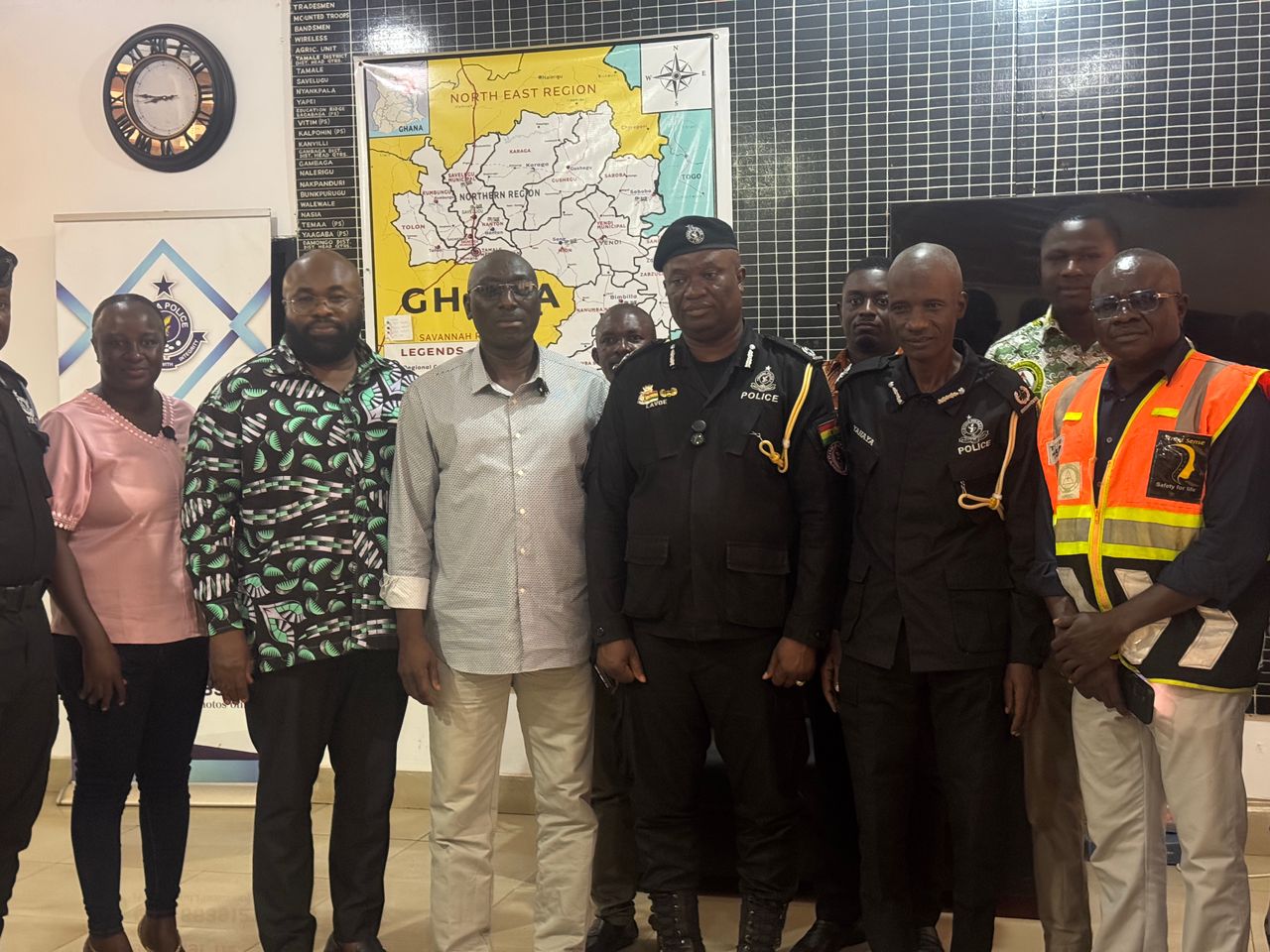
Speaking during a stakeholder engagement in Tamale as part of his working visit to assess road safety challenges and strengthen collaboration among key institutions, Mr Amaliba urged the Police Motor Traffic and Transport Department MTTD to intensify enforcement of traffic laws.
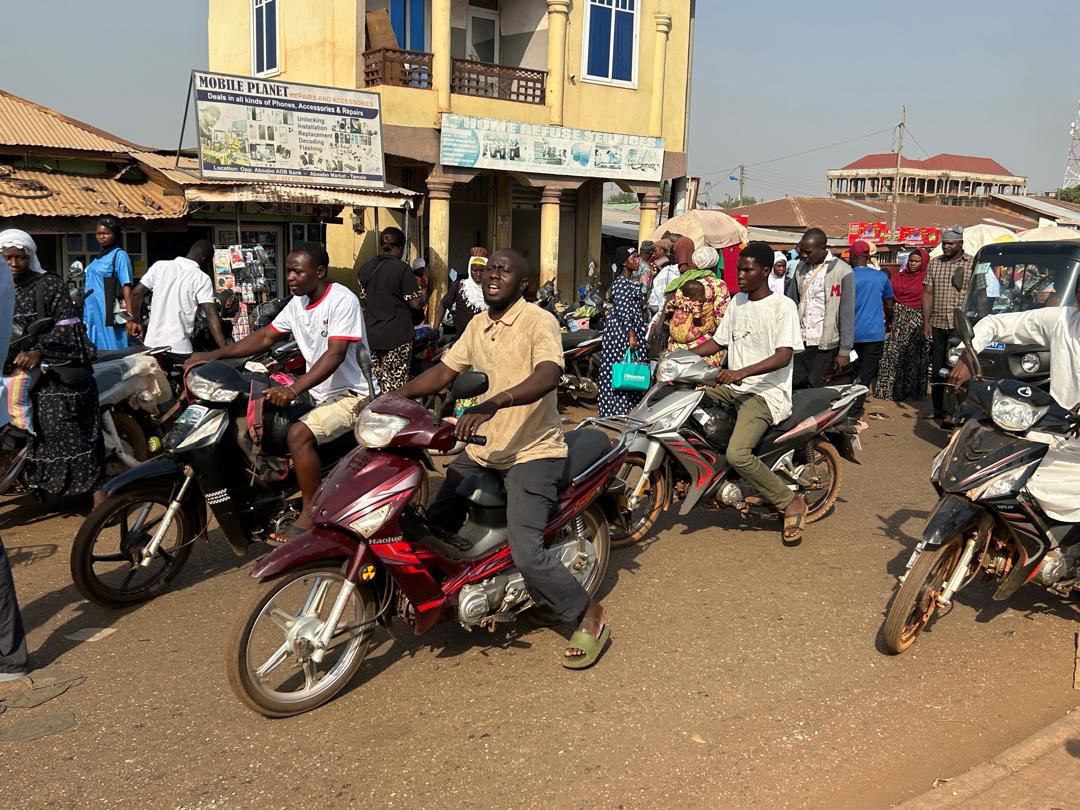
He laid particular emphasis on helmet use by motorcyclists, saying helmet use often decides who lives and who dies in crashes.
He said helmets significantly improve survival chances in crashes, warning: “If you fail to put on the helmet, chances are that by 90 percent you are not going to survive when there’s an accident,” and added that stronger enforcement is essential ahead of the planned rollout of the government’s commercial motorcycle transport programme.
He also called for the NRSA to be involved in road projects from design through construction and completion, arguing that safety features are best incorporated early rather than after accidents occur.
Mr Amaliba further raised concerns about congestion in Tamale’s Central Business District, where traders and commercial transport operators have taken over pedestrian walkways, forcing people onto busy roads. “We think that traders and transport operators have taken over pedestrian walkways. This pushes pedestrians onto the main roads to compete with vehicles, and that is a recipe for disaster,” he said.
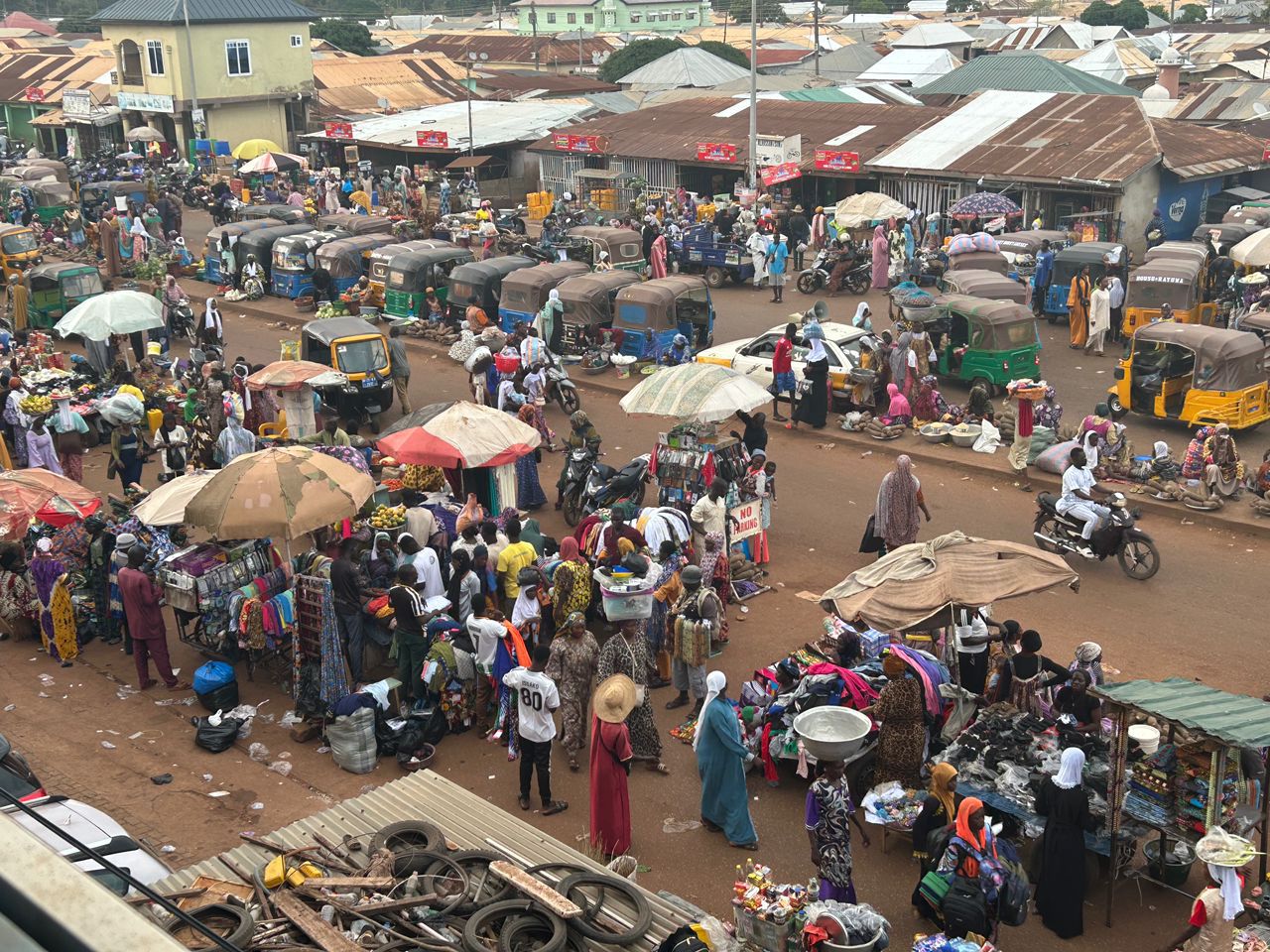
He noted that while the NRSA leads road safety education and advocacy, agencies such as the Department of Urban Roads and district assemblies must ensure proper road markings, maintain traffic signs and remove posters or advertisements that obstruct road users.
Responding to the concerns, Northern Regional Police Commander DCOP Wisdom Lavoe said enforcement efforts are hampered by limited personnel and logistics.
He proposed maintaining a permanent police presence at critical congestion points and urged assemblies to provide designated parking spaces for commercial vehicles.
“We need to maintain personnel permanently at some of these locations while the assemblies also work to provide alternative parking spaces,” he said.
Northern Regional Director of the Ghana Highway Authority, Ing. Mark Okyere, welcomed the initiative and reaffirmed the Authority’s commitment to strengthening collaboration with the NRSA to promote safer roads.
Mark Okyere also expressed concern over the growing construction of unauthorised speed humps by communities along highways, calling for intensified public education to improve road safety.
The engagement was part of the NRSA Director-General’s working visit to the region to assess road safety challenges and deepen collaboration among institutions responsible for road safety management.