
For thousands of Ghanaians living with HIV and TB, access to life-saving treatment depends on one crucial first step, getting tested.
But concerns are growing that both testing and treatment services could soon face major disruptions.
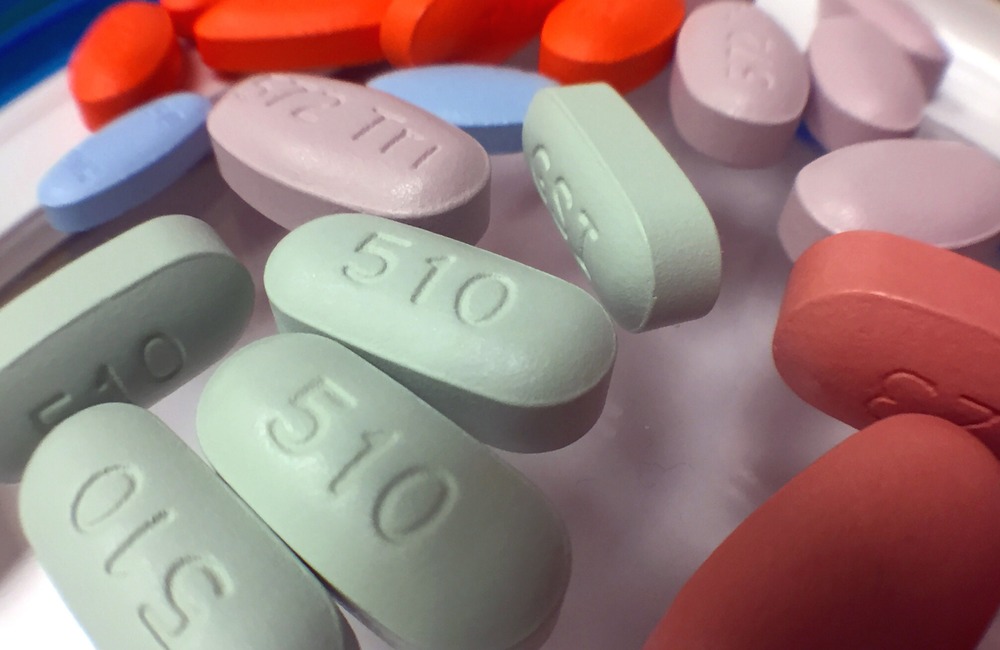
The President of the Network of Persons Living with HIV, Torgbe Alossode, says some health facilities are already experiencing shortages of antiretroviral medicines, raising fears among people living with the virus about continued access to treatment.
His concerns come as the Global Fund Country Coordinating Mechanism warns that Ghana’s stock of oral and blood-based HIV testing kits could be exhausted by the end of July this year.
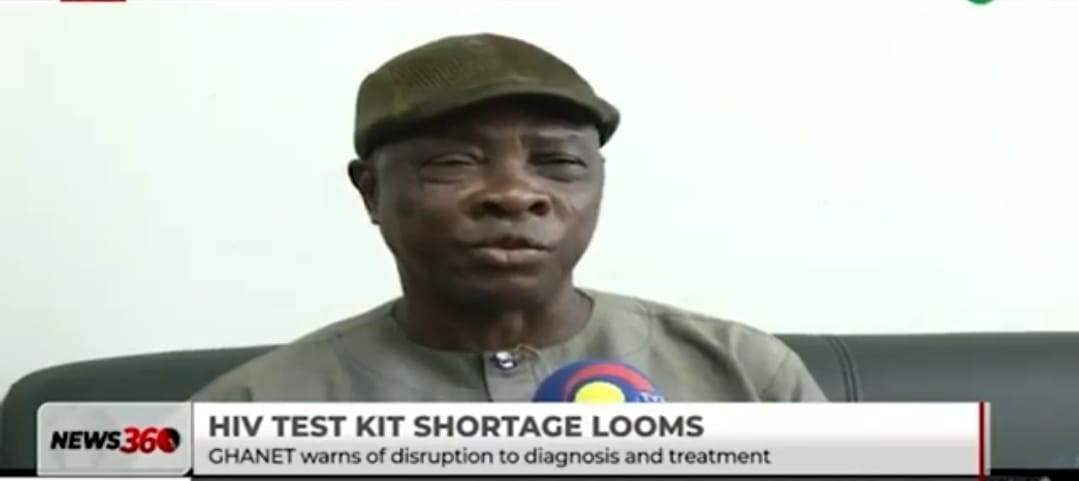
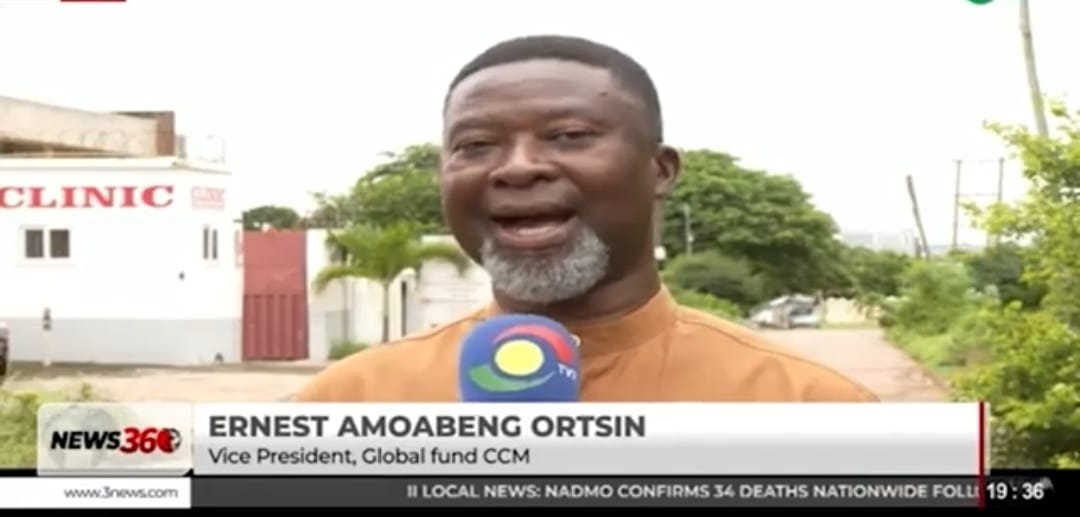
Vice President of the Country Coordinating Mechanism, Ernest Amoabeng Ortsin, says the looming shortage could interrupt early diagnosis, delay treatment for newly infected persons, and undermine efforts to curb the spread of HIV.
He also cautioned that cartridges for TUBERCULOSIS will also stock out by September. leading to late diagnosis and increasing the risk of transmission of these diseases within communities.
“Our checks at the central stores show that stocks are limited. And so imagine the regions and districts. What is at the stores can barely last up till end of July. And cartridges for TB as well. We were expecting all these commodities to be factored in the free primary healthcare and also the NHIA that has been uncapped to cater for it, but nothing is happening, and this is going to be detrimental,” he cautioned.
The warning comes at a time when Ghana is preparing for reduced support from the Global Fund, placing greater responsibility on domestic financing to sustain HIV prevention, testing, and treatment services.
Torgbe is therefore urging the government to urgently mobilise resources to secure HIV commodities and protect the gains the country has made in the fight against the epidemic.
“It is not only the test kits. When you go to the facilities, there is no ART. The ones available will expire this month or have expired already, and nothing can be done with it. We are pleading with the government to do something about the situation, ” he noted.
By Sarah Apenkroh