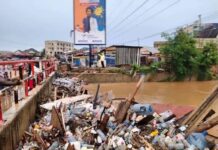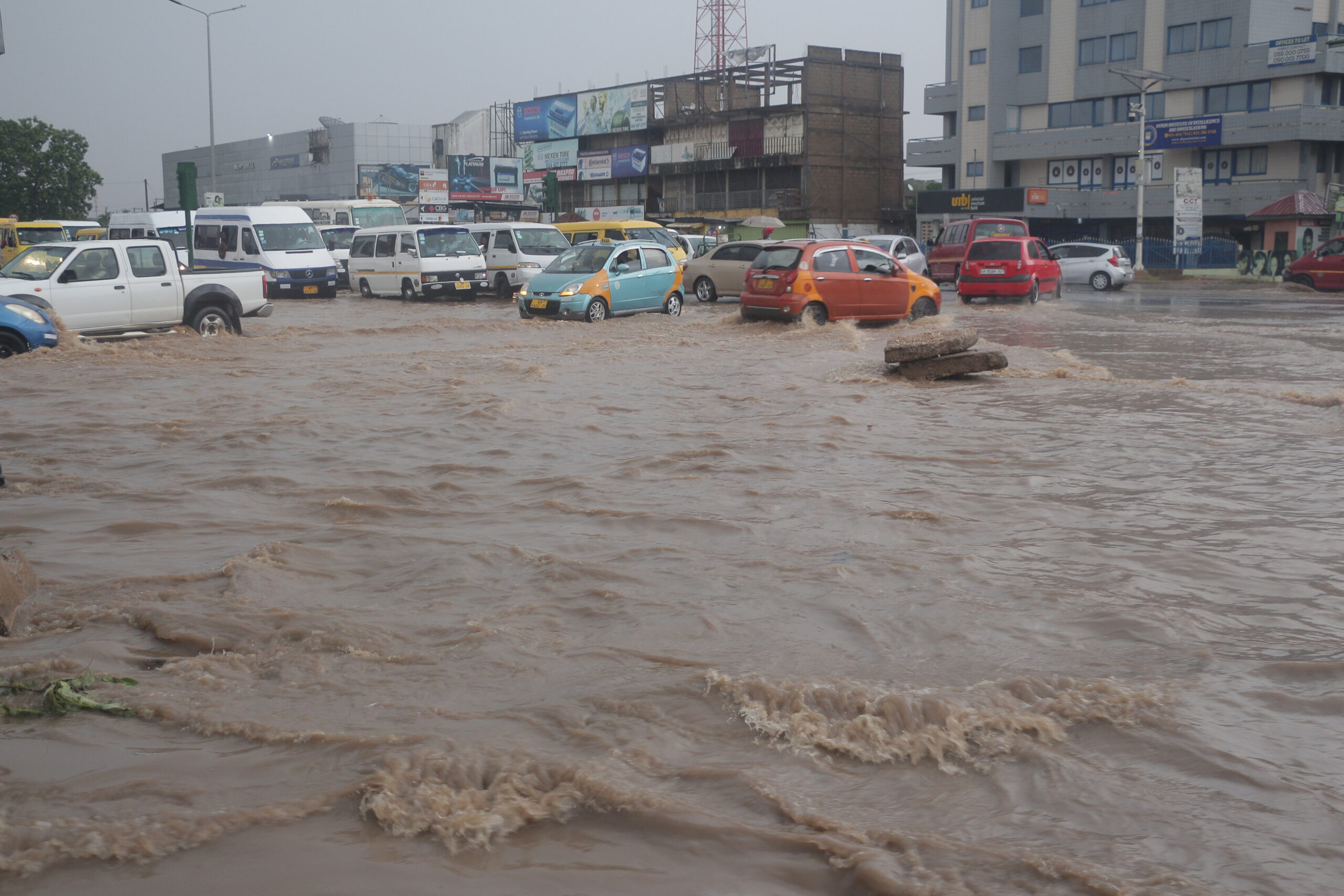

The African Women Leaders Network (AWLN) Ghana Chapter has expressed deep sympathy to families affected by the recent floods that swept through parts of the country, claiming at least 12 lives and leaving thousands displaced.
In a statement, the network says it mourns with bereaved families and stands in solidarity with those who have lost their homes, businesses and livelihoods.
According to AWLN Ghana, the disaster is more than a natural event. It says the floods expose the growing impact of climate change, poor urban planning, weak enforcement of environmental laws and inadequate disaster preparedness, all of which continue to threaten lives and sustainable development.
The organisation notes that while floods affect entire communities, women, children, older persons and persons living with disabilities often suffer the greatest consequences.
It says many women who operate small businesses have lost their only source of income, making it even more difficult to provide for their families and recover from the disaster.
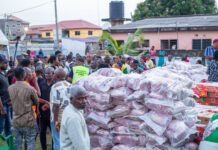
AWLN Ghana is therefore urging government, development partners, civil society organisations, the private sector and the public to work together to provide coordinated relief and long-term recovery support for affected communities.
The network also wants the tragedy to serve as a wake-up call for stronger investments in climate resilience and disaster preparedness.
‘‘AWLN Ghana recognises the emotional trauma, economic hardship, and uncertainty they face, and we call on government agencies, development partners, civil society organizations, the private sector, and citizens to support relief and recovery efforts in a coordinated and compassionate manner.
The floods should not simply become another headline that fades with the receding waters. They must serve as a turning point that inspires stronger institutions, smarter planning, and more inclusive leadership.’’
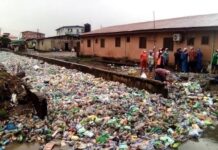
Among its recommendations are targeted financial and livelihood support for women whose businesses have been destroyed, improved drainage infrastructure, better urban planning, stricter enforcement of environmental regulations, expanded climate education and stronger community preparedness programmes.
‘‘The recent floods are also a sobering reminder of the increasing impact of climate change and the urgent need to strengthen disaster preparedness and resilience. As a nation, we must take decisive action to address persistent challenges such as inadequate drainage systems, poor waste management, environmental degradation, and development in flood-prone areas.’’
AWLN Ghana is also calling for greater inclusion of women in climate action, disaster risk reduction and recovery planning, arguing that their experiences and leadership are critical to building safer and more resilient communities.
The statement comes as authorities continue relief operations in flood-hit areas following days of heavy rainfall that inundated several communities, displaced residents and renewed concerns over Ghana’s vulnerability to recurring floods.
The African Women Leaders Network, an initiative of the African Union and the United Nations, says the country must seize this moment to strengthen institutions, protect vulnerable populations and build communities that are better prepared for future climate-related disasters.
By Sarah Apenkroh