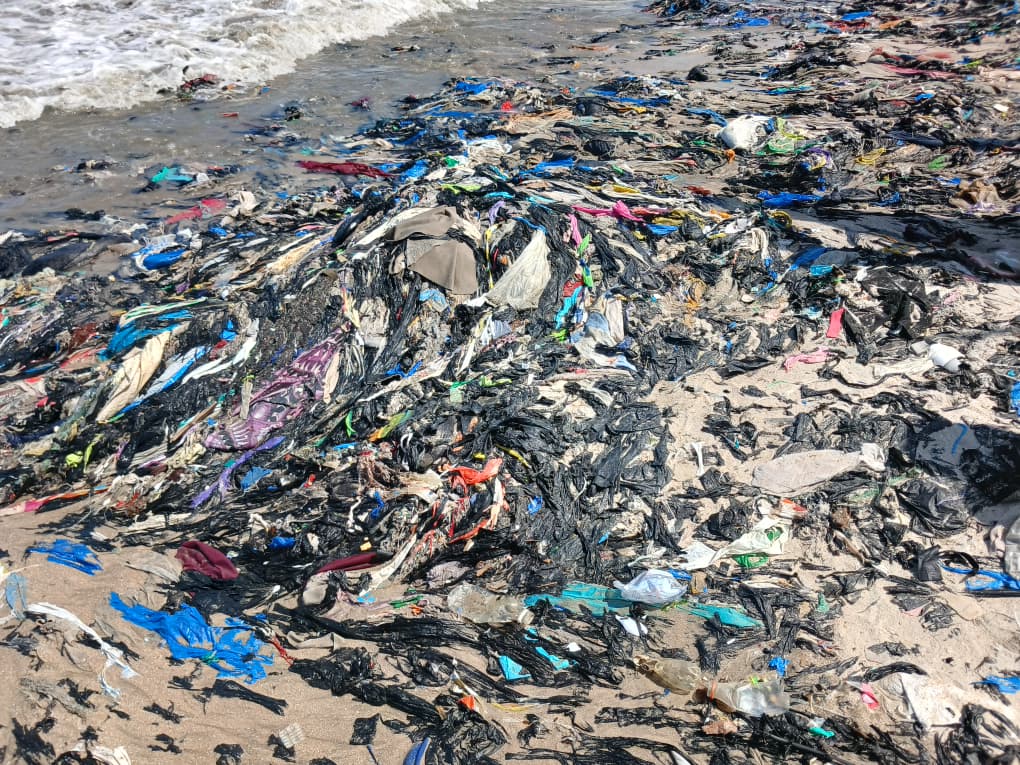

The Highest Chief Priest of the Ga State, Nuumo Akwaa Mensah III, has warned of the far-reaching environmental, economic and health consequences of Accra’s growing plastic pollution menace.
He said the problem is particularly worrying because plastic waste is not only degrading the environment but also threatening livelihoods, including fishing.
According to him, fishermen continue to record dwindling catches as plastic pollution worsens, with effects that extend beyond immediate environmental damage.
“We must identify the source of the plastics. A lot of NGOs have come to help solve the situation, but it remains a problem. We’ve tried the MMDAs and other local authorities, yet we have not seen any progress. The situation has to be seen as a national responsibility because its impact affects everyone. Fishermen waste fuel and do not even catch one tonne of fish when they go fishing,” he said.
He commended the adoption of paper bags and called for more sustainable food packaging practices.
He said producers of plastics must be held accountable.
“We should come face to face with the producers of plastic waste to find a solution. Most hotels are now introducing paper packs and wooden cutlery, which I believe is a much healthier alternative to plastic. We must all try to adopt them instead of takeaway packs and rubbers,” he added.
The Chief Fisherman of the Ga State, Nii Abeo Okyerekuanda V, also called for national attention to the problem, stressing the need for stronger action to address the impact of plastic pollution on fishing communities, especially in James Town.
Some fishermen who spoke during the engagement acknowledged the growing presence of plastic waste in the marine environment and its impact on fishing activities and livelihoods.
They insisted that the problem must be treated with urgency.
“We continue to battle plastic pollution. Most of it is not from here, but it ends up here and gets into the sea. After everything, we go fishing and all we catch is plastic,” one fisherman said.
The concerns were raised when the 2026 Cohort of the Plastic Pollution and Climate Change Communication Training paid a courtesy call on some Ga traditional leaders.
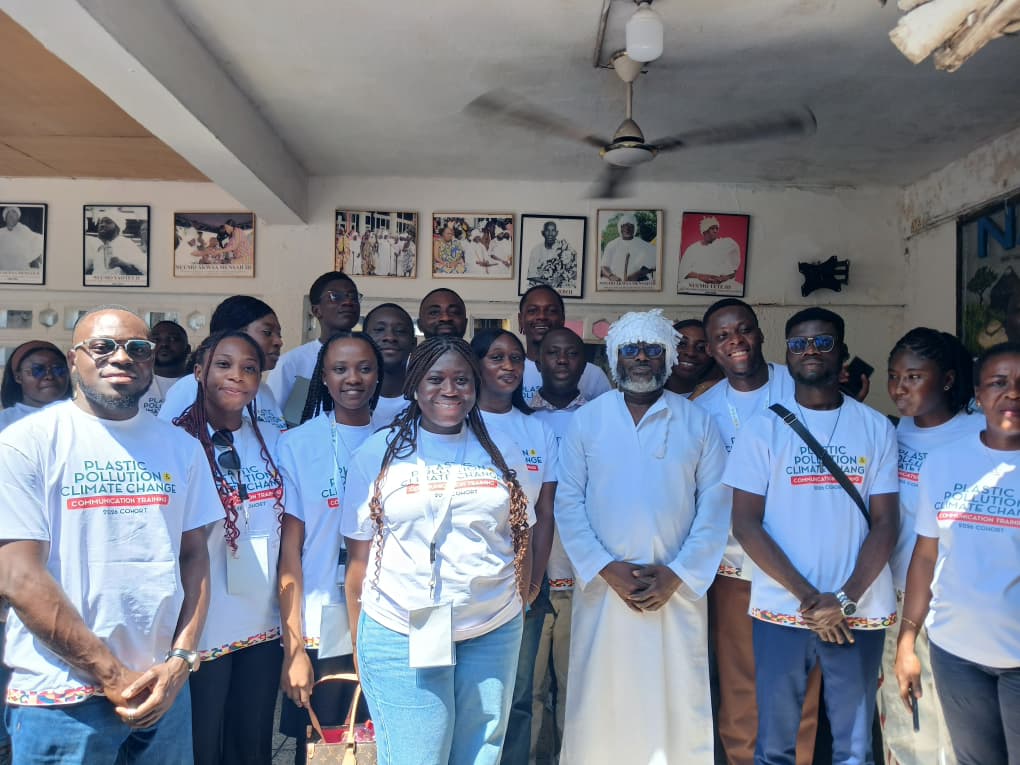
The three-day intensive training brought together media practitioners and environmental protection advocates under the theme, “Strengthening Media and Community Voices for Action on Plastic Pollution and Climate Change.”
The training, organised by the National Climate and Environmental Communications Initiative (NCECI) in partnership with the Environmental Protection Authority, Knustford University and Ignite Media, seeks to strengthen the capacity of journalists and environmental advocates to communicate the realities of plastic pollution and climate change and to mobilise communities around solutions.