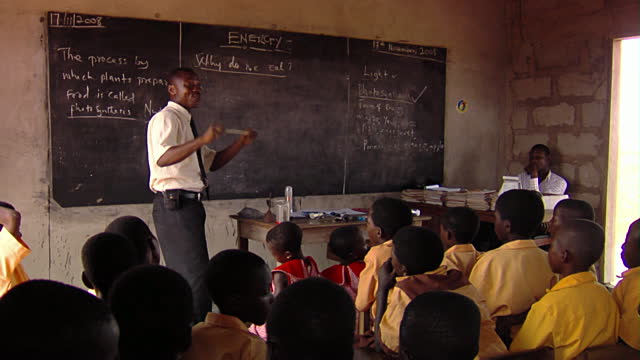

The Ghana National Association of Teachers (GNAT) has announced the suspension of strike by pre-tertiary teachers following engagements with the Ministry of Employment, the Council of State and the Fair Wages and Salaries Commission over outstanding issues affecting teachers.
GNAT General Secretary, Thomas Tanko Musah at a press conference on Friday, October 9 said the decision followed assurances from the government side that commitments made to the teachers would be fulfilled.
Speaking after the engagements with the Ministry of Employment, the Council of State and the Fair Wages and Salaries Commission on Friday, he said the union will continue to negotiate for their demands.
“After engaging in a series of meetings with the Ministry of Employment and the Council of State on issues concerning teachers, and having been given some assurances from their end to ensure that all the things we signed to will be done, we want to announce to you that we suspend the strike today,” he said.
Musah directed all teachers to return to the classroom on Monday, October 12 as negotiations continue on the outstanding issues.
“We are by this asking all teachers to go to work effective Monday as we continue with negotiations regarding the outstanding issues,” he added.
The suspension brings the industrial action to a halt while the union continues discussions with the relevant authorities to resolve the remaining concerns.
Director-General of the Ghana Education Service (GES), Professor Ernest Davis, welcomed the decision, expressing satisfaction that the dispute had been resolved through dialogue.
He said the resolution was a positive development, as it would allow teaching and learning to resume without further disruption.
The end of the strike is expected to bring relief to thousands of pupils and parents who have been affected by the industrial action, particularly those whose academic activities have been interrupted.
Earlier, the Council of State and the Ministry of Labour had expressed confidence that the outstanding issues could be resolved through engagement between the parties.
With the strike now suspended, attention is expected to shift to the implementation of the commitments reached during the negotiations, particularly the payment of the deprived-area allowance and promotion-related arrears.
The effective implementation of the agreement will be crucial to sustaining industrial harmony and preventing further disruptions to teaching and learning.