
The Executive Director of CUTS International, Appiah Kusi Adomako, has said Ghana should not rush the implementation of TRAFFITECH, the technology expected to improve compliance with road traffic regulations and reduce road crashes.
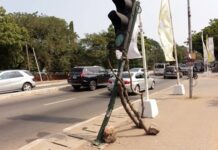
Speaking in an interview on Thursday, October 1, 2026, Adomako raised concerns about the preparedness of urban roads ahead of the planned November rollout, citing numerous faulty traffic lights and other infrastructure challenges.
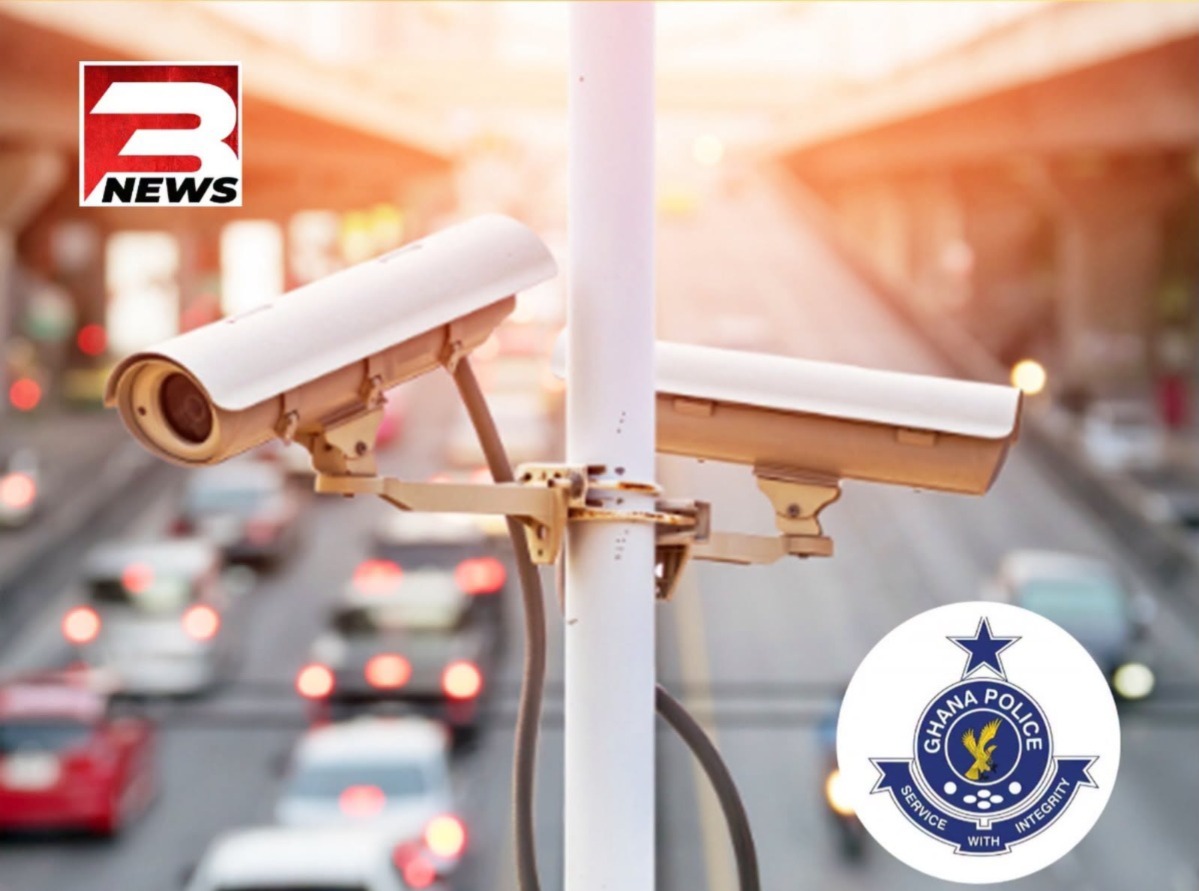
Amid frequent road crashes and rising fatalities, the Ghana Police Service, through the Motor Traffic and Transport Department (MTTD), says TRAFFITECH will improve compliance with road traffic regulations and help curb indiscipline on the roads.
However, CUTS International says critical road infrastructure must first be addressed before the technology is fully implemented.
The organisation is calling for the repair and realignment of displaced traffic lights, restoration of faulty signal heads, trimming of vegetation around traffic infrastructure, and repainting of essential road markings.
Adomako urged the authorities to install clear speed-limit signs before every TRAFFITECH-GH speed camera and at locations where the applicable speed limit changes.
“I don’t know whether the Department of Urban Roads has even resources to be able to fix all of these traffic lights that are broken apart. And until we’re able to fix them, I don’t think that we should be in a hurry to implement the traffic tests. I think they need to diversify their sensitization and focus more on social media, community and town hall meetings. And it’s very important that you let drivers know in advance before you start the full implementation.”
He emphasised that the technology could also reduce direct interactions between motorists seeking to avoid penalties and police officers.
“It’s going to remove the human interaction whereby when the police officer stops you after over speeding or crossing a traffic light and you want to settle the police officer. Now there will be no police officers because if you give the police officer who is standing on the road, to not wipe away the offence that the camera has captured. So, I think it’s good for everybody.”
Mr Adomako proposed extending the implementation date from November to January 2027.
“I think that one month is not enough. The implementation should extend from November to January 2027. It’s not just a matter of being extended, but I think that we must do what is right in terms of the equipment and infrastructure that are required. The cameras, the road markings, the signage and all those things are very important.”
As preparations continue for the November 1 rollout of TRAFFITECH, attention is turning to whether the necessary road infrastructure will be ready to support its implementation, as the Police MTTD intensifies its public education campaign.
For road safety advocates, the goal remains clear: effective enforcement must go hand in hand with safer and better-maintained roads.
By Beatrice Sowah