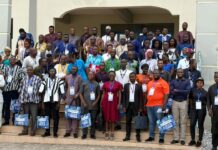

The Simon Diedong Dombo University of Business and Integrated Development Studies (SDD-UBIDS), in the Upper West Region has matriculated 1,226 postgraduate Distance and Weekend Students into various faculties and schools for the 2025/2026 academic year.
The Matriculants comprised of 801 males (65%) and 425 females (35%), representing a 58 per cent increase in admission compared to last year.
This indicates the growing confidence in the university’s postgraduate programs.
The induction ceremony which took place on Saturday, November 15, 2025, at the University’s new auditorium brought together various dignities including staff of the University.
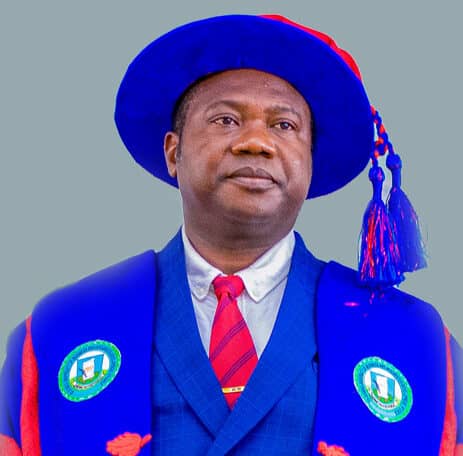
Prof. Emmanuel Kanchebe Derbile, Vice-Chancellor of SDD-UBIDS, in his speech congratulated the new students on their admission and emphasised the University’s commitment to providing a conducive learning environment that fosters intellectual curiosity, innovation, and excellence.
“Our postgraduate programmes are carefully designed to meet national and international standards, equipping students with the knowledge, analytical skills, and leadership competencies needed to solve complex development challenges and foster professional growth,” Prof. stated.
He urged the new students to take full advantage of the University’s resources and opportunities, participate actively in seminars, engage their lecturers and supervisors constructively, and uphold the highest standards of academic integrity and discipline.
Professor Derbile also highlighted the University’s efforts to expand access to higher education through the Institute for Distance Education and Learning (IDEL), which was established in 2024 to offer flexible and affordable opportunities for professionals and working adults to pursue academic advancement.
The educational ceremony is said to have marked the beginning of exciting journey for the new students, who are expected to contribute to the University’s mission of shaping a more just, inclusive, and sustainable world.
“I urge you to take full ownership of your learning journey, make meaningful connections, and use the knowledge gained here to contribute to a more just, inclusive, and sustainable world,” He passionately stated.
By Ibrahim Abubakari Wangara