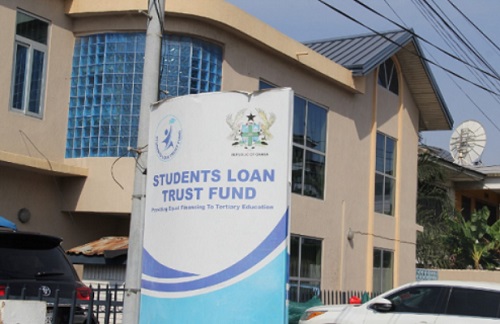

The Students Loan Trust Fund (SLTF) has announced significant reforms as part of President John Dramani Mahama’s Reset Agenda.
The new measures announced on Friday, November 7, 2025 includes a 50% increase in loan amounts available to tertiary students.
In a statement signed by Dr. Saajida Shiraz, Chief Executive Officer of the SLTF, the Fund said these measures follows President John Dramani Mahama’s directive for loan amounts to be revised to enhance affordability, accessibility and equitable higher education across the country.
Under the revised structure, loan disbursements to regular students have been increased by 50%, with amounts now ranging from GHC2,250 to GHC4,500 per academic year. The loans will disbursed directly to students.
Also, interest rates on loan amounts to students have been reduce. The prevailing interest rate on student loans has been reduced from 12% annual compound interest to 6% simple interest during period of study and moratorium.
Beyond the increase in loan amounts and reduction in interest rates; other reforms include:
- Introduction of Students Loan Plus: Tertiary Students can now apply for the Students Loan Plus package, a component of the No Fees Stress Initiative, which provides tertiary students with full fee coverage loans disbursed directly to tertiary institutions.
- Streamlined Application and Disbursement Process: The E-zwich requirement for loan application is no longer mandated. GCB Bank accounts for disbursement will now be created automatically within the No Fees Stress portal for all new applicants.
Dr. Shiraz noted that these interventions demonstrate the government’s commitment to building an inclusive and accessible tertiary education system.
“Under the auspices of the Ministry of Education, SLTF remains committed to ensuring equitable access to affordable tertiary education in Ghana,” she added.
The reforms are part of President Mahama’s No Fees Stress Initiative, a key component of his Reset Agenda, which seeks to reduce financial barriers for students and strengthen Ghana’s human capital development.