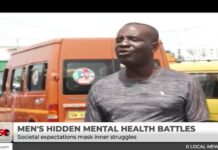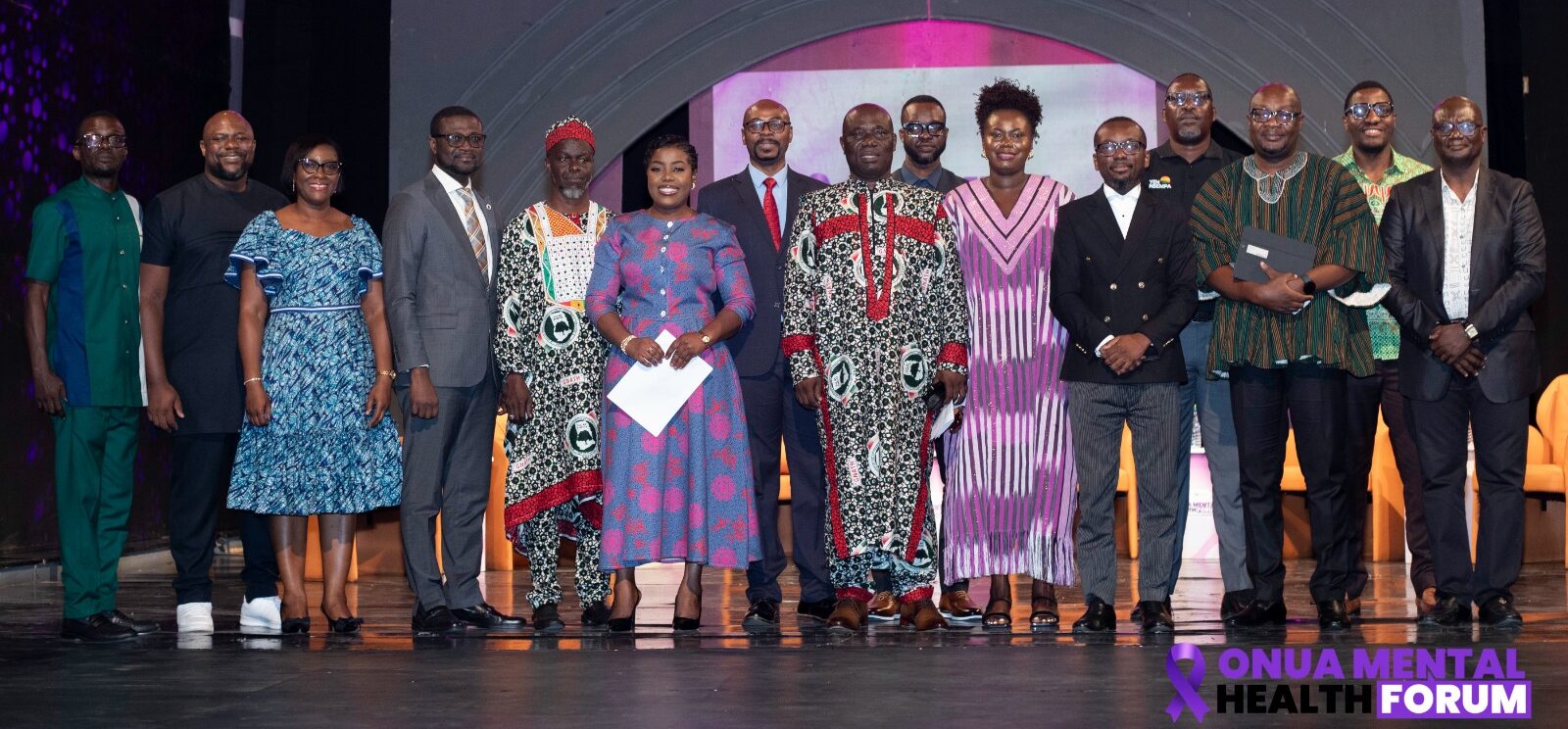

Speakers at the Onua Mental Health Forum have intensified the national conversation on mental wellbeing with a renewed call to break the silence surrounding mental health challenges and promote a culture of care and support.
The initiative seeks to reduce stigma, encourage open dialogue and inspire collective action towards building a society where mental health is prioritised and quality support is accessible to everyone.
Bringing together mental health professionals, policymakers, advocates and members of the public, the forum served as a platform for meaningful discussions on some of the country’s most pressing mental health concerns.
Held under the theme, “Breaking the Silence, building a Culture of Wellbeing,” the event highlighted the growing need for awareness and intervention at a time when many people continue to suffer in silence without seeking professional help.
Panel discussions covered a wide range of issues, including suicide prevention, psychological wellbeing, legal perspectives on mental health, and the hidden realities of mental illness in Ghana.
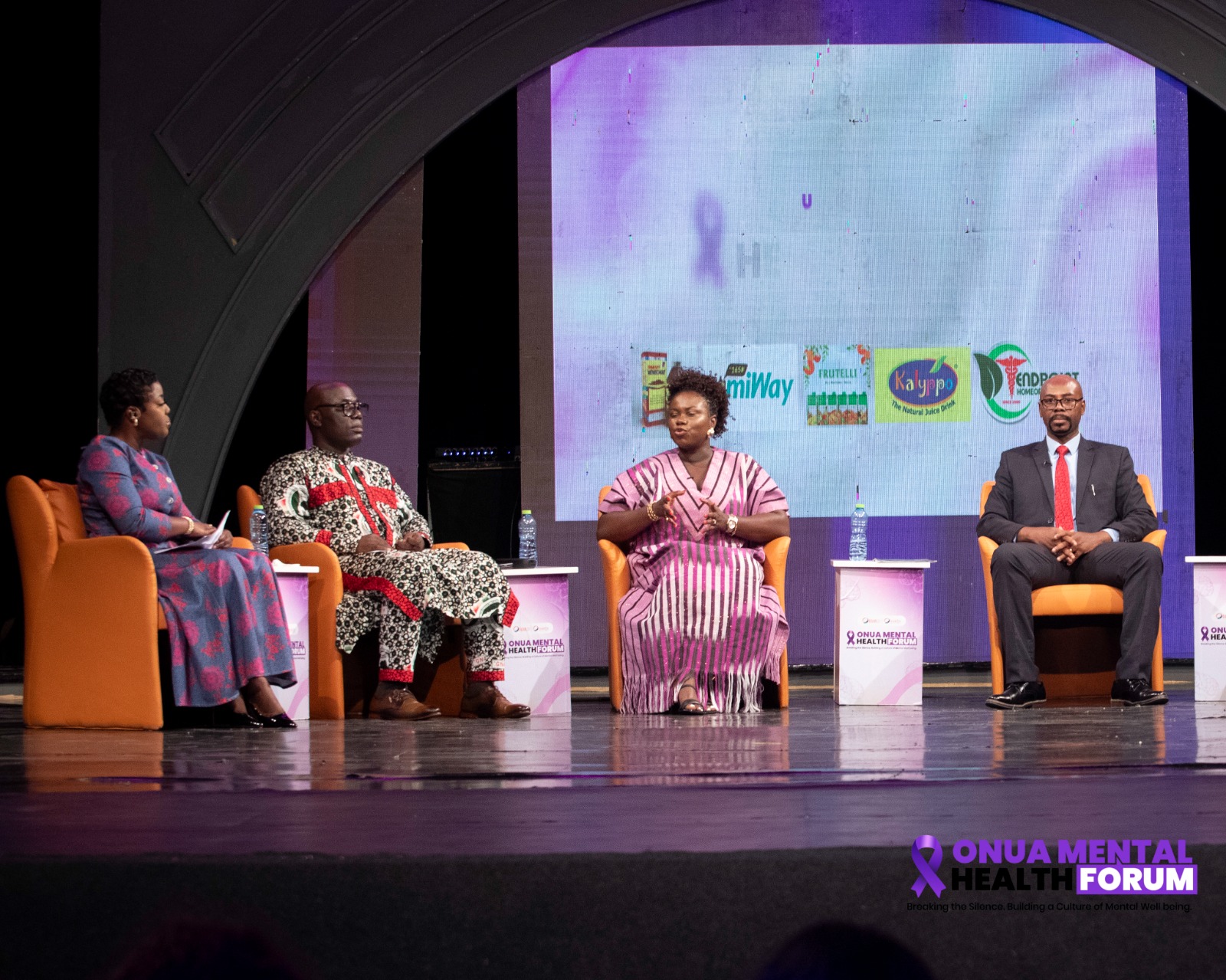
Speakers shared professional insights and practical experiences while exploring solutions to improve mental healthcare and public understanding.
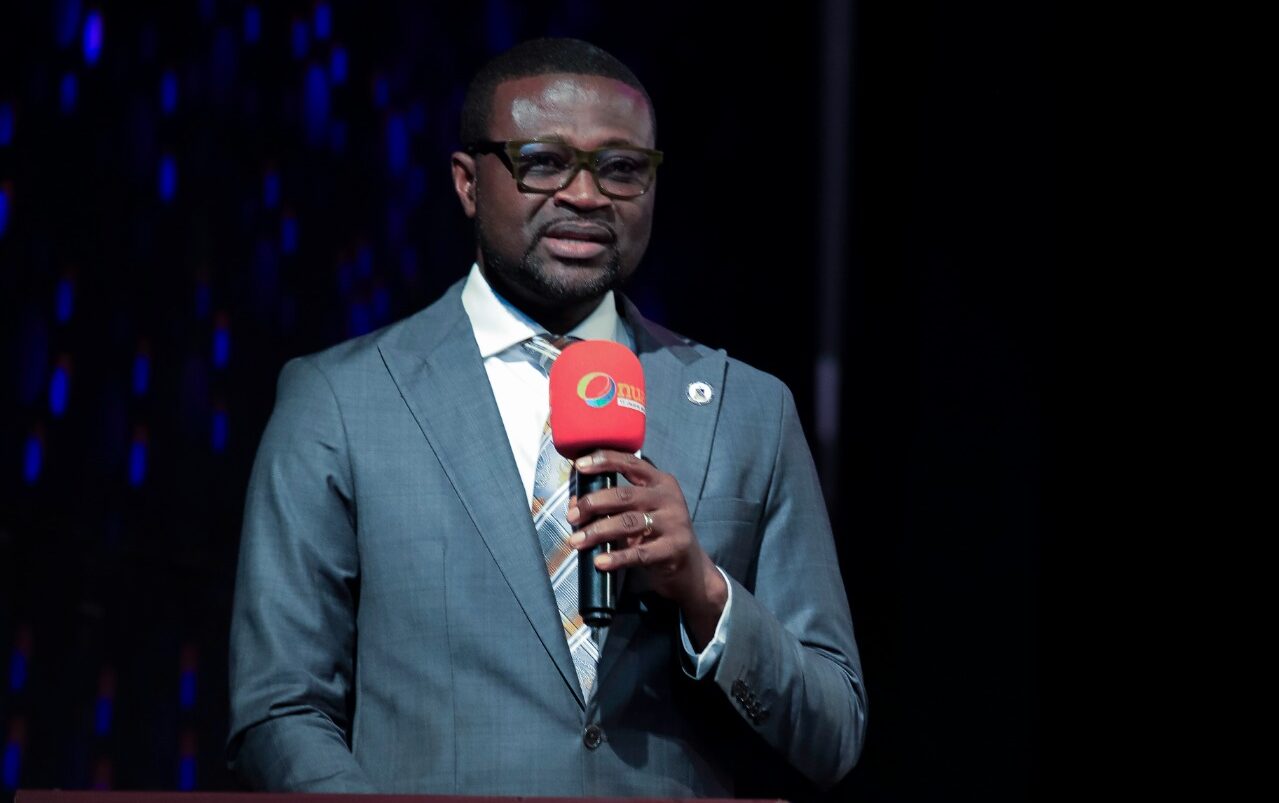
Speaking at the forum, Onua News Editor William Asiedu said the initiative was designed to increase public education and create an environment where conversations about mental health can take place without fear or stigma.
Mental health experts also underscored the importance of strong family ties and social support systems in the healing and recovery process, stressing that the involvement of close relatives and communities can significantly improve outcomes for people living with mental health conditions.
A suicide prevention activist urged members of the public to seek help whenever they feel overwhelmed or believe life has become too difficult to cope with.
She stressed that suffering in silence can lead to severe consequences and encouraged people to speak up and access the support they need before a crisis develops.
Speaking at the forum, Mental Health Nurse Daniel Kumordzie also encouraged parents to create supportive environments at home by establishing routines that promote daily conversations with their children.
He said open communication is essential in nurturing children’s mental wellbeing, building their resilience, and enabling them to express their emotions and challenges freely.
Legal practitioner Christian Malm-Hesse shared legal perspectives on mental health, highlighting the importance of protecting the rights and dignity of persons living with mental illness while ensuring access to justice and appropriate care.
The Chief Executive Officer of the Ghana Mental Health Authority, Dr. Eugene Dordoye, called for greater collaboration among government institutions, healthcare providers, Civil Society Organizations and communities to strengthen mental healthcare delivery and improve access to services nationwide.
He stressed that Following the Onua Mental Health Forum, we expect more people to understand that mental health is not limited to what many describe as “madness.”
It also includes conditions such as depression, bipolar disorder, anxiety, and many others that can affect anyone.
The General Secretary of the Ghana Federation of Traditional Medicine Practitioners, Okogyeabibiduro Nana Kwadwo Obiri, also appealed to government to establish measures that would facilitate the integration of traditional medicine into Ghana’s mental healthcare system, arguing that collaboration between conventional and traditional approaches could benefit patients and expand access to treatment.
President, Ghana Psychological Association Dr. Richmond Acquah-Coleman indicated that Mental health challenges are not the end of a person’s life. With timely intervention and the right professional care, recovery is possible.
Participants at the forum expressed hope that sustained public education, stronger partnerships and continued advocacy would help break the stigma surrounding mental illness and create a healthier, more supportive society for all.