
For mothers living with hepatitis B, the greatest threat to their babies comes in the first few hours after birth.
Yet a vaccine that could prevent lifelong infection is still not routinely available in Ghana, raising concerns that the country may miss its 2030 elimination target.
Hepatitis B affects an estimated 10 to 15 percent of Ghanaians, making it one of the country’s most common infectious diseases.
Among pregnant women, prevalence remains around eight percent, although some regions record even higher rates.
Despite this, nearly all pregnant women in Ghana are now screened for hepatitis B during antenatal care. The challenge begins after the diagnosis.
For pediatric gastroenterologist Dr. Taiba Afaa, every month of delay represents another group of babies at risk.
‘‘The birth dose vaccines, in Ghana patients will have to buy it themselves and some of them can only buy the vaccine which is cheaper. And then also poorly informed mothers. Some don’t even know their status, and some don’t even know the risk of hepatitis B because even though she has been diagnosed she looks fine. ’’
Unlike many infections passed from mother to child during pregnancy, hepatitis B is rarely transmitted before birth.
About 90 percent of infants infected during delivery develop chronic hepatitis B, often without showing any symptoms for decades.
According to Dr. Taiba Afaa, these infections are almost entirely preventable.
‘‘The mothers who are infected and those not infected should be screened and also the traditional birth attendants should be taught and provided with kits to be able to screen pregnant women who are infected and pass them over to the health facilities that will take care of them.
Then at birth, all babies regardless of whether the mother is infected or not should be given the birth dose of hepatitis B vaccine and also for those who are infected, there should be provision of the immunoglobin. Even if the government is not providing it, it should be heavily subsidized.’’
The National Viral Hepatitis Control Programme is expanding efforts to improve screening nationwide through a proposed viral hepatitis registry and renewed advocacy for sustained government funding.
Currently, the programme reports that more than 98 percent of pregnant women receive hepatitis B testing during pregnancy.
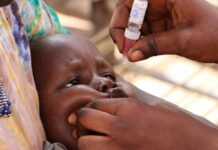
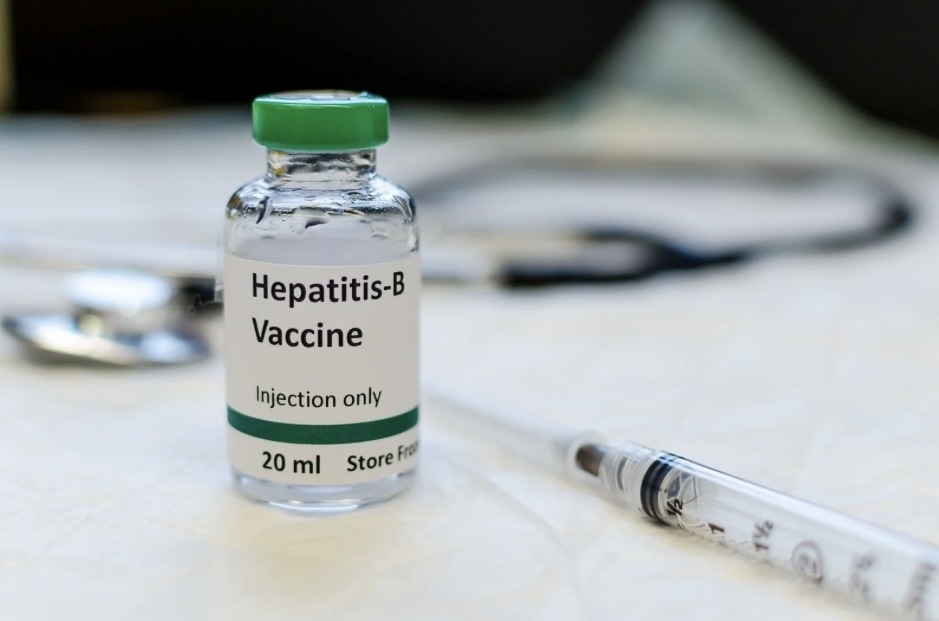
However, knowing a mother’s status alone is not enough if her newborn cannot receive the birth-dose vaccine immediately after delivery.
Dr. John Gerald Adiboka is the Programme Manager of the National Viral Hepatitis Control Programme at the Ghana Health Service.
‘‘There is no free treatment for viral hepatitis B in Ghana, so every patient that is being put on treatment has to buy the drugs themselves and it’s a long-term treatment so it’s a very big issue. If all this are put in place and the funding for screening, treatment, testing and the medications just like HIV medications, it means we can meet our target. For children under five, the prevalence is less than 1% and with the introduction of the birth dose coming, we are sure the prevalence will reduce’’.
The Programme Manager of the Expanded Programme on Immunization, Dr. (Med.) Selorm Kutsoati, acknowledged that Ghana is currently not on track to eliminate mother-to-child transmission of hepatitis B, because the birth-dose vaccine has not yet been incorporated into the routine immunization programme.
According to Dr. Kutsoati, Ghana expects to roll out the hepatitis B birth-dose vaccine in the fourth quarter of 2026 or, at the latest, in the first quarter of 2027.
‘‘Typically with new vaccine introductions, there are a lot of processes that go on and need to be done. We’ve been going through some processes, back and forth approvals, and the need for data and things like that. Thankfully, we’ve completed and we are currently just waiting for confirmation from our partners abroad on how many doses we are going to start within country this year, and then plans around that.
So, I will assure us that latest by the fourth quarter, at worst first quarter of 2027, we should introduce that as given dose into the immunization program of Ghana.’’
She further noted that, ‘‘We are waiting for the number of doses because the initial plan was to do it for the whole year, and for Ghana 2026, we targeted our 1.3 million children. But because we’ve already gone into July. The number of the first cohorts that we have is less than that. So, it will depend on the number of children that will be approved for this year. That would give us an idea of when to start.’’
For now, experts say Ghana has made important progress by ensuring that almost every pregnant woman is tested.
But until every baby born to an infected mother receives the birth-dose vaccine as part of routine care, thousands of newborns will continue to face a preventable lifelong infection.
By Sarah Apenkroh