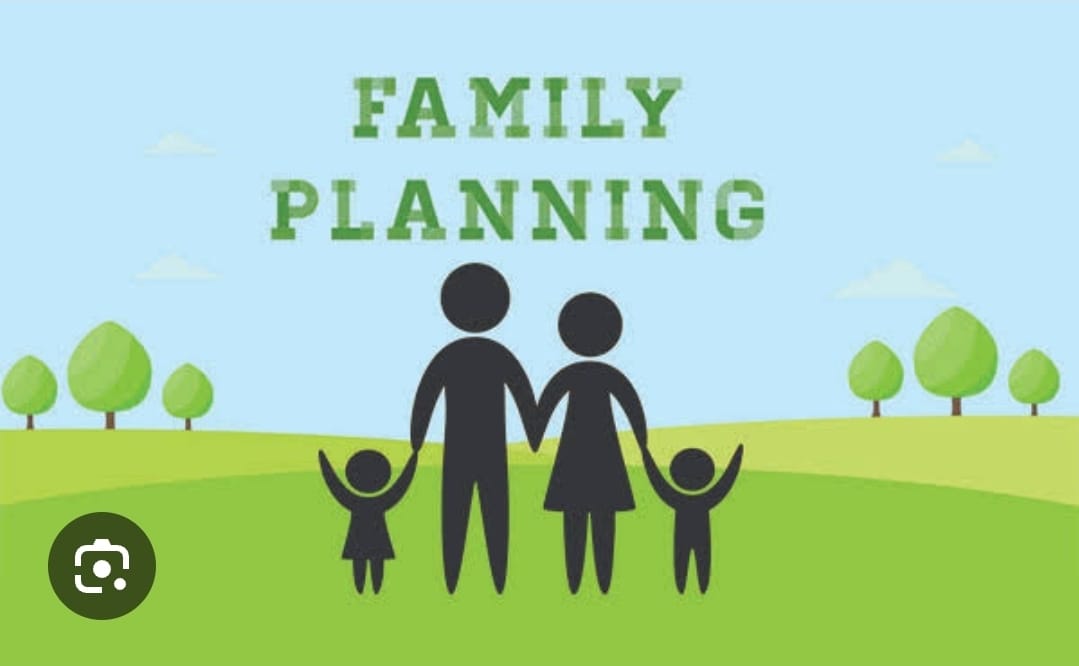

For many women in Ghana, access to family planning is more than a health service. It determines whether a young girl stays in school, whether a mother survives a high-risk pregnancy, or whether a family can plan its future.
Ghana has expanded access to family planning services over the years through government and partner support.
Yet, many women, especially adolescents and those in remote communities, still struggle to access contraceptives because of cost, distance, and inconsistent supplies.
The Ghana Health Service reports that family planning remains one of the most cost-effective interventions for reducing maternal and newborn deaths while advancing women’s health and economic well-being.
Health experts warn that any interruption in the supply of family planning commodities could reverse gains made in reducing unintended pregnancies and improving maternal health.
These concerns dominated a High-Level Stakeholders’ Summit in Accra, where government, development partners, civil society organisations, and private sector actors discussed sustainable financing for family planning commodities and the strengthening of supply chains.
The meeting comes amid growing concerns over funding gaps and the long-term availability of contraceptives across the country.
Director of the Family Health Division of the Ghana Health Service, Dr. Kennedy Brightson assured that the government is working to prevent possible stock-outs.
‘‘Yes, there is stock out, but that’s not because there are no commodities in the country. there were some bureaucracies that affected the clearing of the commodities from the port, but it has been cleared now and in the process of being distributed. Funding is still a problem, but we still have some donors, the UNFPA, WAHO, and the GoG that commits domestic funding of 10%. ‘’ he noted
Civil society organizations also warned that Ghana cannot afford shortages if it hopes to sustain progress in reproductive health and reduce unintended pregnancies.
Dr Demi Letsa, the Country Director MSI said, “As CSOs, we will continue to do advocacy to demand results. Focusing on Malaria is good likewise maternal health but family planning is also good and must be given priority. It has numerous economic benefits that cannot be over emphasized. So, we will continue to advocate. We all need to be onboard, civil society, the private sector, corporate bodies, everyone to chart a way forward. That’s why it’s important we have this forum,” she said.
The United Nations Population Fund (UNFPA) reaffirmed its commitment to supporting Ghana with funding and technical assistance to ensure women continue to access life-saving family planning commodities.
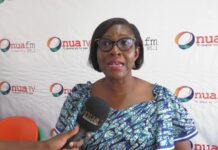
Madam Dela Bright Gle is Head of Reproductive Health and Humanitarian at the UNFPA who gave the assurance on behalf of the Fund.
Health experts say every investment in family planning translates into healthier mothers, healthier babies, and stronger communities. They stressed that reliable financing and uninterrupted supplies remain critical to protecting the reproductive rights and futures of millions of Ghanaian women.
By Sarah Apenkroh