
The onset of the rains and floods leaves behind stagnant water bodies, which become breeding grounds for mosquitoes.
In a bid to prevent malaria infections during this season, thousands of children under five years across northern Ghana are to receive seasonal life-saving malaria medication, alongside the distribution of insecticide-treated nets in schools from July 2 to Sunday, July 5.
The Ghana Health Service reports that, Malaria prevalence has fallen from 27.5 percent in 2011 to 8.6 percent in 2022, while deaths have dropped by more than 98 percent from over 3,200 in 2011 to just 52 recorded last year.
The Seasonal Malaria Chemoprevention campaign is reported to be playing a significant role as it progresses steadily, with the first phase already completed in the Upper East, Upper West, North East and Oti Regions.
The intervention targets children aged three to fifty-nine months, the group most vulnerable to severe malaria.
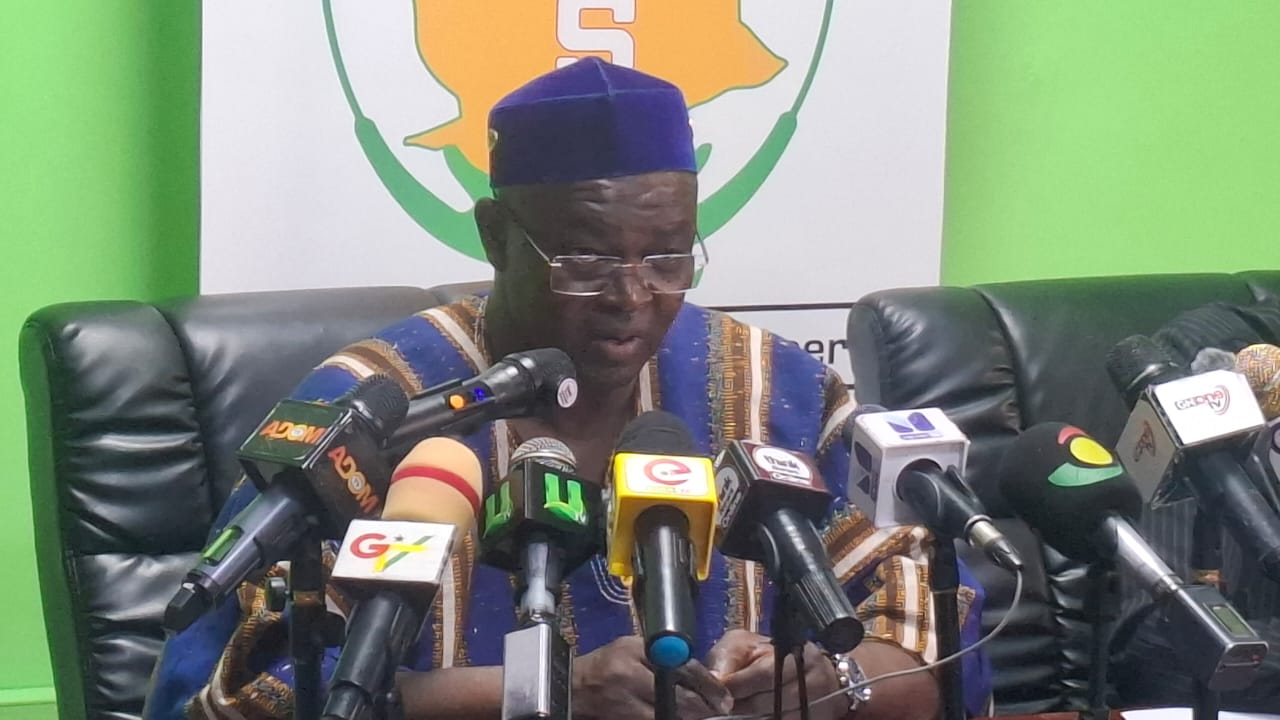
Speaking at a media orientation in Accra on July 1, The Director-General of the Ghana Health Service, Prof Akoriyea said the campaign has been strengthened this year through digital registration, enhanced safety monitoring and door-to-door delivery by trained community health volunteers.
‘‘We now look forward to the start of Cycle 1 in the Northern, Savannah and Bono East regions from 2 to 5 July 2026. We encourage all parents and caregivers of children aged 3 to 59 months to welcome our trained community health volunteers into their homes and ensure that every eligible child receives the full course of treatment.
The medicines are free, safe and effective, and completing every monthly cycle provides the best protection against malaria during the peak transmission season. ’’ He emphasized.
He also highlighted the ongoing school-based distribution of insecticide-treated nets to pupils in Classes Two and Six, describing the programme as a reliable way of extending protection to entire households.
‘‘The ongoing school-based distribution of insecticide-treated nets is a deliberate and evidence-based strategy to protect school-age children and their households from malaria. Why distribute nets through schools? Because schools give us a structured, reliable and equitable way to reach children directly.
In partnership with the Ghana Education Service, it ensures that every child, regardless of where they live, has the opportunity to sleep protected from malaria every single night. This approach increases ITN ownership in households, extending protection to the whole family under that roof. Every net in this programme has a traceable supply chain. Every net has passed quality assurance checks. ’’ He noted.
The Director-General of the Ghana Education Service (GES), Prof. Ernest Kofi Davies, also affirmed their commitment to the initiative to protect children during the season in a statement read on his behalf.
Some 1.5 million children are targeted for the next phase of the campaign.
By Sarah Apenkroh