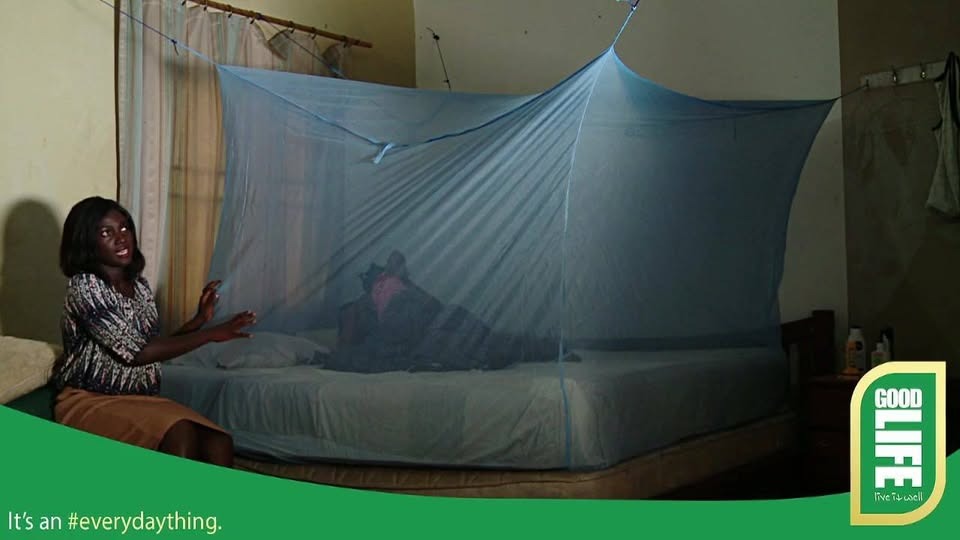

The Ghana Health Service (GHS) says its attention has been drawn to a video circulating on social media purporting that the insecticide-treated nets (ITNs) currently being distributed to primary school pupils contain chemical compounds that are harmful to human health.
The GHS says these claims are false, misleading, and without any scientific or regulatory basis. The Ghana Health Service has therefore urged the public not to be alarmed
This is contained in a press release dated June 26.
“The net being distributed by the Ghana Health Service is the Interceptor® G2, a WHO-approved Long-Lasting Insecticidal Net manufactured to international standards and selected as part of Ghana’s national malaria elimination effort. It contains two insecticidal compounds, chlorfenapyr and alpha-cypermethrin, both of which have been in use in public health programmes around the world for many years and are well-known to health and regulatory authorities,” the GHS said.
It added that “Interceptor® G2 is a safety-approved net that is widely used alongside other brands of WHO-prequalified ITNs distributed across Ghana and the African continent as part of national and continental malaria prevention efforts.”
The Service further clarified that “Before any insecticide-treated net is approved for use in Ghana or recommended by the World Health Organization, it undergoes thorough safety testing covering all groups of people, including children, pregnant women, and infants.
Interceptor® G2 has received full WHO Prequalification (Ref: 002-002) and has been approved by Ghana’s Food and Drugs Authority (FDA).”
On the specific claim of respiratory risk, the compounds in this net have an extremely low vapour pressure, meaning they do not lift into the air as dust, smoke or aerosol and are very stable.
“This implies that a person sleeping under this net breathes normal air not insecticide. Insecticide-treated nets have been used across Ghana and sub-Saharan Africa for several decades, and across all that time, not one documented case of respiratory illness has ever been linked to sleeping under a properly used ITN,” the GHS assured.
The Ghana Health Service urged all parents, caregivers, and community members to:
• Use the nets. Do not discard, return, or refuse them. These nets protect your children from malaria, which remains a leading cause of childhood illness and death in Ghana.
• Air a newly received net in a shaded, well-ventilated space for up to 48 hours before first use to allow any mild new-net smell to clear.
• Refrain from sharing unverified health claims. Misinformation causes unnecessary fear and puts children and everyone at risk.
• If you have any questions, concerns, or experience any unusual reactions, please contact the nearest health facility.
The Ministry of Health and Ghana Health Service reaffirmed their unwavering commitment to the safety and wellbeing of every Ghanaian.
“Every net edistribute has been tested, approved, and verified as safe before it reaches your home,” it assured.