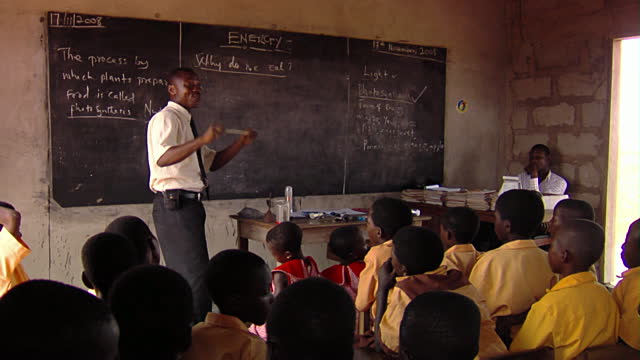

According to some human development experts, being semi-literate is simply the possessing of basic reading and writing skills, but struggling with complex, sustained, or critical literacy tasks socially, religiously, politically, and professionally.
Semi-literacy acts as a huge barrier or impediment to full societal participation and growth, often creating a cycle of lack of representation, poverty, and low self-esteem that can span generations.
From employment point of view, some semi-literate individuals often struggle to secure stable, high-paying jobs, as they cannot easily meet the literacy requirements of many positions.
They may find it challenging to fill out job application forms, understand complex instructions, or communicate effectively in writing. However, there are few humble semi-literates who have made it through hard work, dedication, focus, discipline and ability to learn on the job- Hence the probability of a cleaner being elevated to the position of CEO.
Authentic research has revealed that a high rate of semi-literacy in a community can lead to a less skilled workforce, slowing economic growth, reducing productivity, and lowering income potentials. You can juxtapose this angle with our fellow brothers and sisters with financial muscles and required business resources but cannot create long lasting or viable business or investments to create more wealth.
The advent of technology and social media has made the daily life challenges and vulnerability of basic tasks of reading medication labels, navigating public transportation, understanding legal documents, or managing finances become difficult for the semi-literates.
This makes them more vulnerable to financial scams, predatory practices, and mistakes in everyday decisions on social reformation, business engagement, political development and leadership development.
The health literacy deficits caused by semi-literate bring about the inability to fully understand health information or follow detailed medical instructions that can lead to worse health outcomes, such as taking incorrect medication dosages.
The psychological and emotional impacts may push out the stigma of struggling with literacy, which can cause high levels of stress, shame, frustration, and a sense of being left behind. It often leads to social isolation as individuals may avoid situations where they might be asked to read or write.
From the political point of view, semi-literate individuals may find it difficult to understand complex and sensitive political issues, read ballots, or engage in democratic processes, resulting in a less informed and active electorate or delegates. Many of them have been described as “political prostitutes” because they are not critical and analytical in their opinions and decisions. Some often sell their birthright for a short-term meal.
From the parental care perspective, parents who are semi-literates often struggle to help their children with schoolwork or provide a literacy-rich environment, which perpetuates the cycle of low education, poor results, and poverty.
Arguably, in the 21st century, being semi-literate often translates into struggling with digital literacy, navigating the internet, using computers, and understanding digital communication. However, it has been discovered that digital literacy is somewhat being dominated by some semi-literates in certain aspects.
Contextually, I believe that semi-literacy is heavily tied to our democracy, political development, and socio-economic factors, often resulting from poor-quality education, lack of access to resources, unemployment, corruption, and poverty.
It is often distinguished from complete illiteracy in that individuals can, but they lack the proficiency needed for critical thinking analytical mind and effective communication.