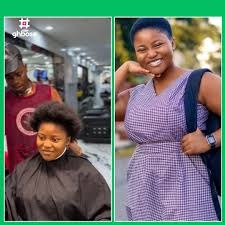

In Ghana today, a long-standing debate has resurfaced- whether schools should decide how students wear their hair?
What might seem like a minor grooming rule has become a major conversation about freedom, discipline, equality, and identity. While some view haircut regulations as outdated restrictions, others believe they are essential tools for shaping character and teaching responsibility.
For generations, Ghanaian schools have placed strong emphasis on neatness as a reflection of discipline. Supporters of haircut rules argue that keeping hair short and tidy is not merely about looking proper, it is an early lesson in order and self-control.
They believe that if students can manage their personal grooming consistently, they are also learning to manage their time, behaviour, and academic responsibilities.
These habits, they say, extend beyond appearance to help students develop the discipline needed for future success.
Proponents also see haircut policies as a way to promote equality. In classrooms where students often come from diverse social and economic backgrounds, uniform hairstyles reduce visible differences and peer pressure linked to fashion or wealth.
When everyone maintains a simple look, attention shifts from appearances to academics and behaviour, helping to create an environment where conduct and performance are valued above trends.
There is also a cultural argument that supports these rules. Ghana’s education system has long valued obedience and respect for authority as pillars of good citizenship. The Minister of Education, Hon. Haruna Iddrisu, reaffirmed that haircut regulations are not about style but about “moulding character.”
He explained that schools exist not only to educate the mind but also to shape conduct and respect for order. To many educators, adherence to such rules, even in small matters, helps students understand that belonging to a community means accepting its standards. A neat haircut, they say, symbolizes respect, self-discipline, and pride in one’s school identity.
But not everyone agrees. Critics of haircut rules argue that such policies can suppress individuality and cultural expression. For many young people, hair is more than appearance, it is part of who they are.
Hairstyles often reflect creativity, cultural heritage, or personal confidence. Strict grooming regulations, they say, risk alienating students who see their natural or traditional hairstyles as a core part of their identity. Rather than teaching discipline, these rules can create resentment and make students feel misunderstood.
Opponents also question whether haircut rules genuinely build character or simply enforce compliance. They argue that true character formation comes from understanding and self-discipline, not from fear of punishment or forced conformity.
When students follow a rule they do not understand, they may appear disciplined, but the lesson is external rather than internal. Genuine moral growth, they believe, is nurtured through empathy, fairness, and dialogue, not through scissors and sanctions.
Cultural sensitivity has become another major concern. Ghana’s diversity includes hairstyles that carry deep cultural and even spiritual meaning from Afros and braids to dreadlocks and cornrows.
Enforcing a single standard of grooming can unintentionally send a message that certain cultural identities are less acceptable. This issue has surfaced publicly in recent years, including cases involving Rastafarian students who faced resistance when their hairstyles clashed with school rules.
For critics, such incidents reveal a need for policies that respect individuality while maintaining order.
Globally, the conversation is shifting toward inclusivity. UNESCO’s Education for Global Citizenship framework encourages schools to nurture values of respect, tolerance, and cultural understanding alongside discipline.
Education, it argues, should help young people appreciate both diversity and shared values. This means that while neatness and uniformity have their place, schools must also consider the personal and cultural significance of hair in shaping a student’s sense of self.
The real challenge, therefore, is balance. Schools have a legitimate need to maintain discipline, but they must also cultivate understanding. When students know why a rule exists and how it contributes to their growth, they are more likely to respect it.
Clear explanations, fairness, and inclusiveness can turn a simple haircut policy into a meaningful lesson about community, respect, and equality.
Ultimately, the debate over haircut rules is not just about grooming, it reflects deeper questions about what kind of citizens we want to raise. A neat appearance can indeed reflect order, humility, and pride but character is not shaped by appearance alone. It is shaped by understanding, respect, and the ability to think critically and compassionately.
As Ghana’s Ministry of Education continues to uphold haircut standards in schools, the focus should perhaps move beyond enforcement to enlightenment. Rules that are explained, fair, and sensitive to identity can both preserve discipline and protect individuality. A haircut may trim hair, but it should never cut away a student’s sense of self.