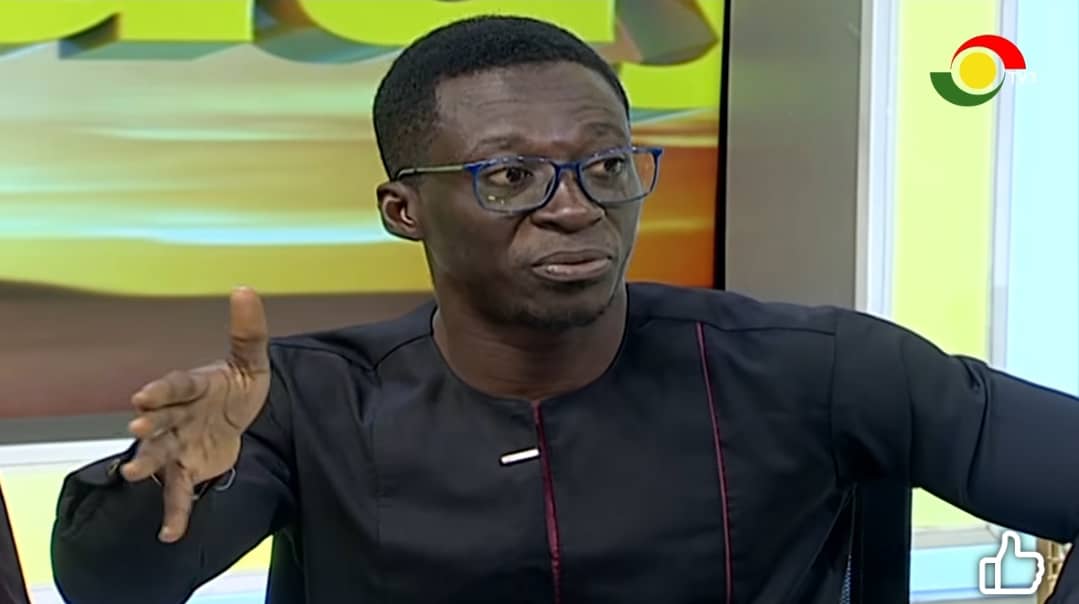

Private legal practitioner Austin Brako-Powers says there is legitimate constitutional basis to question the work of an Article 146 committee after it completes its report and submits it to the President, contrary to claims that such processes cannot be challenged once a recommendation is made.
Speaking on the development surrounding the removal of former Chief Justice Gertrude Torkornoo on the KeyPoints on October 18, Brako-Powers argued that the mere fact that the President has acted on a committee report does not insulate the work from judicial scrutiny.
According to him, once the report is submitted and the President acts on it, the confidentiality (“in-camera”) protection surrounding the committee’s proceedings falls away.
He said the public now has a right to know what transpired, including having access to the full report.
Brako-Powers disagreed with the suggestion that a High Court action would interfere with ongoing proceedings.
“The minute the formal committee submitted its report and the President acted on it, the myth is broken. Ghana now has the right to know whatever happened, particularly the entire report,” he said.
He acknowledged that former Chief Justice Torkornoo has filed a judicial review and not an appeal, but noted that the grounds she has raised appear to touch on the substance of the committee’s work, creating the impression of an appeal in disguise.
Still, he maintained that the Constitution must be interpreted as a whole and not in fragments.
“You cannot appeal the recommendation of the committee, but you can question its work where you believe the proceedings did not meet constitutional standards. Articles 23 and 296 provide legitimate grounds for this,” he argued.
Brako-Powers warned that shutting the door to any form of judicial questioning would be unconstitutional and dangerous.
He added that though the outcome may not benefit the former Chief Justice personally, the constitutional precedent could protect others in future.
“Any submission that there is no room to question the work of the committee simply because the President has acted is disingenuous,” he said, urging lawyers and the court to uphold constitutional principles rather than convenience.
The matter is currently before the High Court, where the former Chief Justice is seeking to halt the vetting of Justice Baffoe-Bonnie and overturn actions taken on the basis of the committee’s recommendation.