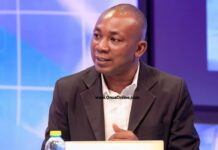

Professor of Finance at the University of Ghana, Prof. Godfred Bokpin, says Ghana’s biggest development challenge is not the absence of macroeconomic gains but the country’s inability to translate those gains into everyday improvements in the lives of citizens.
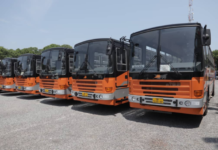
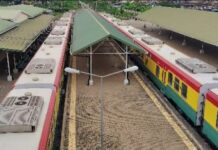
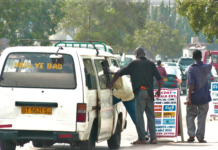
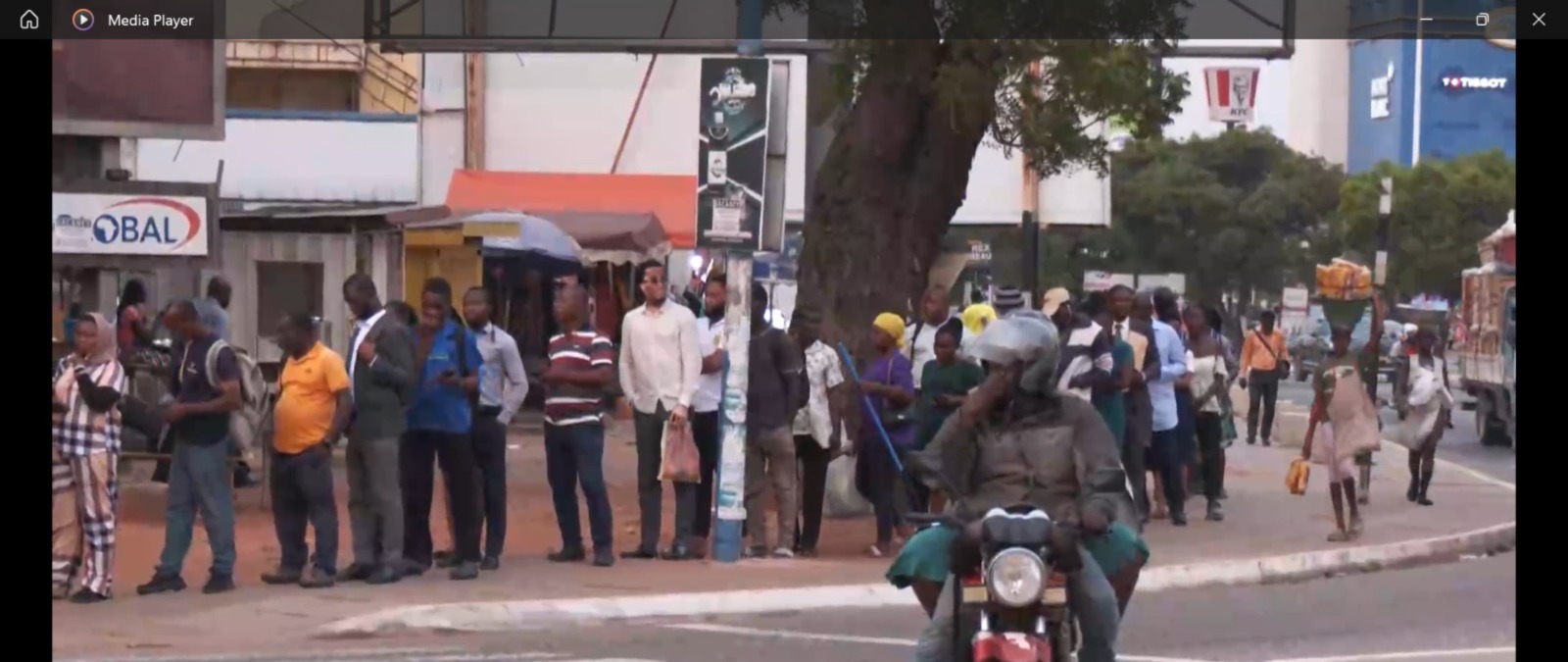
Speaking on the KeyPoints with Alfred Ocansey on the recent public transport crisis, he indicated years of poor planning, weak forecasting and massive infrastructure deficits, especially in transport connectivity, have left Ghanaians struggling daily, despite repeated claims of economic progress.
“What Ghanaians have been going through for years is a clear reflection of lack of planning,” he said on January 17.
“We have not taken time to analyse our rush hours, our travel patterns, and deploy targeted interventions.”
Prof. Bokpin linked Ghana’s worsening traffic situation, long travel times and daily commuter stress to a broader failure to invest adequately in transport infrastructure.
He explained that travel between key urban corridors has become extremely restrictive, affecting productivity and quality of life.
“If you look at the travel time when people close from work, it tells you how limited their mobility is,” he noted.
“Essentially, we have left Ghanaians to fate. If you survive, fine. Otherwise, it’s your own problem.”
He warned that this inefficiency is not just inconvenient but economically destructive.
“When movement is restricted, economic activity suffers. This is inefficiency, and it is the reason why macro-level progress is not translating into better lives.”
While acknowledging that Ghana has recorded some macroeconomic improvements, Prof. Bokpin stressed that growth at the national level does not automatically improve household welfare.
“There is a huge disconnect between macro-level achievements and micro-level realities,” he said.
“It takes time for macro development to translate into improved livelihoods, and that translation depends on key systems working properly.”
One of those systems, he argued, is transport.
He revealed that more than 30 percent of food price build-up in Ghana is driven by transport challenges.
“The reason why we are hungry in Accra is because of the distance between where food is grown and where it is consumed in urban areas,” he explained.
He also criticised the absence of a national policy to preserve farmland, even within urban and peri-urban areas, noting that advanced economies intentionally protect food-producing zones close to cities.
Prof. Bokpin pointed out that Ghana is lagging behind comparable countries in transport efficiency.
“Ghana is not even in the top 30 in Africa when it comes to transport efficiency,” he said.
“Average travel speed across the country is around 56 kilometres per hour. Some countries are doing over 100.”
He described this as a serious inefficiency, arguing that even owning a high-performance vehicle makes little difference in Ghana’s traffic conditions.
“Whether you have a car or you are walking, it almost makes no difference,” he said. “You are stuck.”
The professor described road accidents as a silent national emergency, claiming they have claimed more lives than COVID-19.
“The real COVID in Ghana was not the virus. It was road accidents,” he stated.
“We should have declared a state of emergency.”
“When the number drops slightly the next year, we say there is improvement. But look at the years of life lost and the permanent damage done to survivors,” he added.
Prof. Bokpin painted a grim picture of daily life for urban workers, many of whom wake up as early as 3 a.m. just to get to work on time.
“Some people sleep less than four hours every day,” he said. “If you continue like that, your body will give up. The health implications are serious.”
He added that many workers arrive at the office too exhausted to function immediately.
“They need time to cool down before they can even start working. This has been going on for years, but it has become more pronounced.”
While calling for patience, Prof. Bokpin stressed that government must be honest with citizens about how long economic reforms take to reflect in daily life.
“You cannot talk about economic transformation without infrastructure,” he said. “Transportation is the foundation.”
Prof. Bokpin argued that Ghana must be bold in investing in infrastructure, even if it temporarily raises debt levels.
“I will support government if they say we want to close the infrastructure gap fast, even if debt-to-GDP goes up,” he said. “As long as we get value for money and invest properly.”