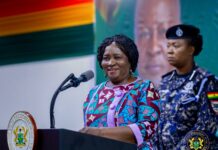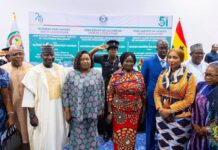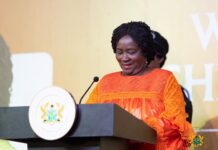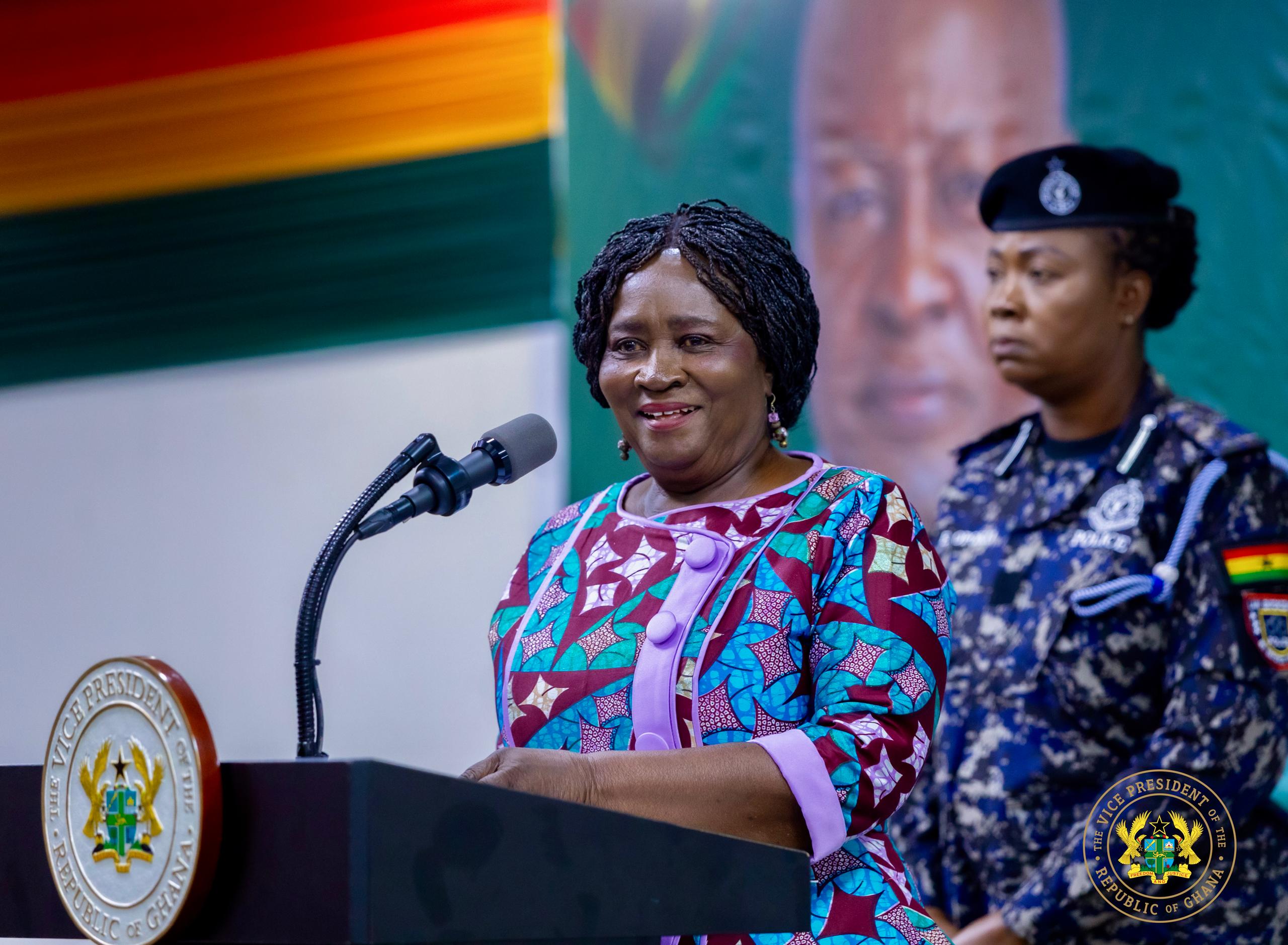

Vice President, Professor Naana Jane Opoku-Agyemang has called for continued modernization of Ghana’s tax system to improve revenue mobilization, encourage voluntary compliance and strengthen public confidence in tax administration.
Speaking at the 14th Annual International Tax Conference in Accra on August 19, the Vice President said governments around the world are redesigning their tax systems in response to rapid economic, technological and geopolitical changes.
She said Ghana must similarly ensure that its tax system generates enough revenue to finance critical sectors such as infrastructure, education, healthcare, climate adaptation and national security, while maintaining fiscal sustainability.
Professor Opoku-Agyemang highlighted recent reforms, including changes to the Value Added Tax regime, as part of government’s efforts to create a simpler and more balanced tax environment.
She said the government is also digitizing tax administration, with measures to improve the taxation of cross-border transactions on digital platforms and the introduction of fiscal electronic devices to strengthen compliance and monitoring.
According to the Vice President, government is undertaking a broader review of Ghana’s core tax legislation to simplify compliance, improve equity and competitiveness, and ensure that tax laws remain relevant to the changing economy.
She also emphasized the need to broaden the tax base, particularly by finding practical ways to bring more individuals and businesses in the informal economy into the tax system.
Professor Opoku-Agyemang said public trust would be critical to achieving this objective, noting that taxpayers are more likely to comply when rules are clear, fair and consistently applied, and when they can interact with tax authorities without unnecessary difficulties.
She urged the Ghana Revenue Authority to continue improving taxpayer education, consultation and service delivery, while encouraging tax professionals to help taxpayers understand and meet their legitimate obligations.
The Vice President further called for Ghana to strengthen its capacity to respond to emerging international tax challenges, particularly those arising from digital commerce and complex cross-border transactions.
She urged the Chartered Institute of Taxation Ghana to deepen its research and collaboration with government, academia and the private sector to help shape appropriate responses to these developments.
Professor Opoku-Agyemang also advocated for stronger tax education, saying tax literacy should begin before individuals receive their first tax assessment.
She expressed confidence that recommendations from the conference would contribute to building a tax system that is predictable, fair and capable of providing the resources needed for Ghana’s development.
By Evelyn Tengmaa