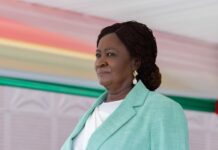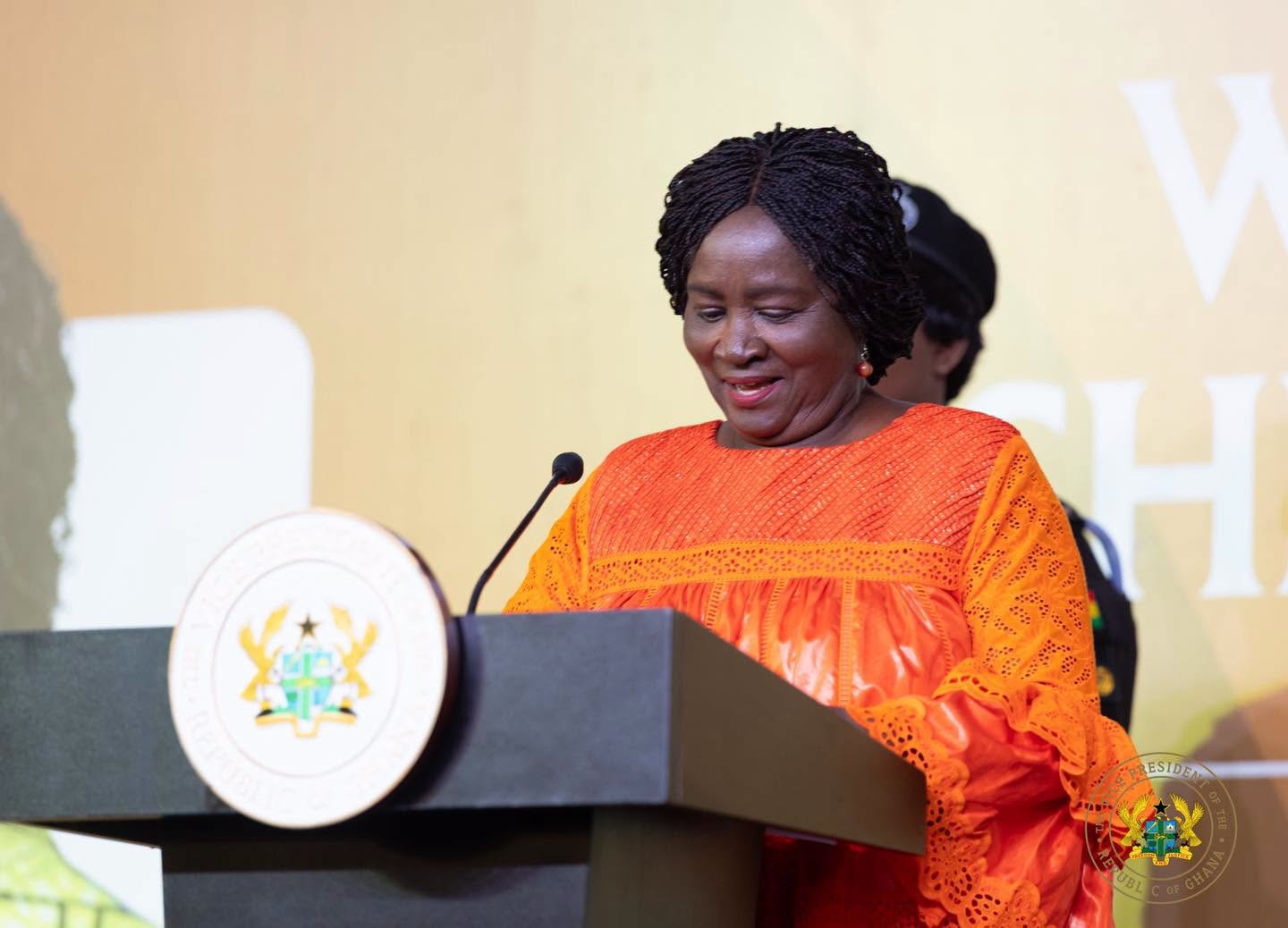

The Vice President, Prof. Naana Jane Opoku-Agyemang has called for stronger regional cooperation among ECOWAS member states to confront the interconnected challenges of climate change, environmental degradation, population displacement and rising insecurity across West Africa.
She said the scale of the challenges required coordinated regional action that addressed both their immediate humanitarian consequences and underlying causes.
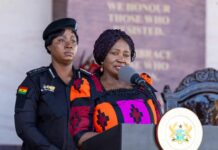
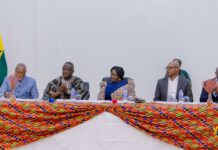
Prof. Opoku-Agyemang made the call when she formally opened the second Extraordinary Session of the ECOWAS Parliament and the second Parliamentary Seminar in Accra, held under the theme: “Climate Change as a Driver of Environmental Degradation, Population Displacement and Rising Insecurity in the ECOWAS Region.”
Representing President John Mahama, the Vice President welcomed the Speaker and members of the ECOWAS Parliament to Ghana and said the theme of the seminar reflected some of the major development, security and humanitarian challenges confronting the region.
She said climate change and environmental degradation were having far-reaching consequences for livelihoods, food security and the well-being of communities, with the effects being compounded by displacement and insecurity.
“The interconnected nature of these challenges requires unified responses,” she said.
She urged ECOWAS member states to strengthen cooperation and develop coordinated regional approaches to address the challenges.
According to her, the ECOWAS Parliament has a critical role to play in shaping regional policies, strengthening accountability and building support for collective action.
Prof. Opoku-Agyemang also reaffirmed Ghana’s commitment to the ECOWAS integration agenda, stressing that the strength of the regional bloc should be reflected in the everyday lives of citizens.
She said ECOWAS integration must translate into easier trade, freer movement, wider economic opportunities and greater security.
She cited ongoing improvements at the Joint Border Post between Ghana and Togo as a practical example of regional cooperation.
The initiative, she said, was helping to improve border procedures, support free movement and facilitate trade between the two countries.
She urged parliamentarians to bring citizens’ concerns into regional decision-making, scrutinise the implementation of regional commitments and help generate the political support required to translate policies into tangible results.
The Vice President described population displacement as one of the most serious human consequences of the pressures confronting West Africa, particularly across the wider Sahel and neighbouring coastal states.
She said millions of people remained forcibly displaced or stateless, adding that the crisis had assumed a regional dimension.
“Insecurity, environmental stress, and disrupted livelihoods in one part of West Africa increasingly put pressure on communities and national systems in another part of the region,” she said.
She therefore called for an integrated approach combining security, development and climate resilience.
She said the region needed stronger early-warning systems, better support for host communities, more resilient livelihoods and improved coordination across borders.
The objective, she said, should be to identify and respond to emerging pressures before they developed into wider humanitarian crises.
Prof. Opoku-Agyemang said climate change should be treated not only as an environmental issue but also as a development and security challenge.
She pointed to Ghana’s efforts to strengthen the resilience of vulnerable coastal communities, including ongoing work under Phase Two of the Blekusu Coastal Protection Project.
The project, she said, was providing protection to some of the most exposed sections of Ghana’s coastline.
On insecurity, the Vice President said responses must go beyond immediate security measures and address the socioeconomic conditions that could leave young people vulnerable to criminal and extremist groups.
She said limited opportunities for education, employment and decent livelihoods could deepen frustrations and create conditions that criminal and extremist groups could exploit.
“Creating opportunities, strengthening communities, investing in education and skills, all amount to investing in peace,” Prof. Opoku-Agyemang said.
She noted that ECOWAS already had important regional instruments covering free movement, disaster risk reduction, climate action and early warning.
She however, said the priority was now to ensure that those frameworks were fully implemented, adequately resourced and capable of delivering timely regional responses when crises emerge.
Ghana, she added, was working with ECOWAS to strengthen early-warning systems through improved data collection and sharing, closer coordination and stronger links between national and regional response mechanisms.
She said the cooperation was helping to improve information flow and analysis, enabling authorities to identify emerging risk areas and respond more quickly.
However, she cautioned that stronger systems and better coordination must be matched with the resources and expertise required to sustain them.
Prof. Opoku-Agyemang also called for a stronger collective regional voice to secure climate finance and investment in areas including resilient agriculture, water management, coastal protection and clean energy.
She expressed confidence that the parliamentary seminar would produce practical recommendations for a stronger and more coordinated regional response to the challenges facing West Africa.
The Vice President reaffirmed Ghana’s commitment to working with ECOWAS member states and Community institutions to advance peace, stability and prosperity across the region.
By Evelyn Tengmaa