
The vetting of presidential nominees, intended as a cornerstone of democratic accountability and institutional integrity, has increasingly become a scene of tension and political theatre specifically with members of the 9th Parliament under the 4th Republic of Ghana.
Within the walls of the Appointments Committee, what should be a disciplined exercise of scrutiny often degenerates into an arena of partisan confrontation between the Majority and Minority leadership, wasting valuable time and undermining the spirit of objective evaluation.
From the outset, the atmosphere in the vetting room is typically charged. Members from both sides arrive armed not only with documents and reports but also with entrenched political positions.
The Majority side, conscious of its duty to defend the government’s choices, often enters the process determined to ensure that every nominee sails through. In contrast, the Minority, viewing itself as the principal watchdog of public interest, approaches with doubt, ready to interrogate every credential and expose every perceived inconsistency. This ideological clash sets the tone for what frequently unfolds into a drawn-out, emotionally charged encounter.
As proceedings begin, the nominees sit under the bright lights composed yet visibly anxious while members exchange probing questions. Ideally, such inquiries should reveal competence, character, and ethical standing.
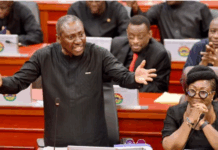
Yet, too often, the focus shifts from national interest to political rivalry. Questions meant to clarify are sometimes replaced with insinuations designed to score partisan points. Statements of defence turn into political speeches, and debates over procedure evolve into heated exchanges. The tension thickens as voices rise and proceedings stall over technicalities that could have been resolved with calm dialogue.
These confrontations, replayed across multiple vetting sessions, not only waste time but also erode public confidence in the process. The spectacle of parliamentary leaders trading accusations while nominees wait helplessly creates an impression of disorganization and misplaced priorities.
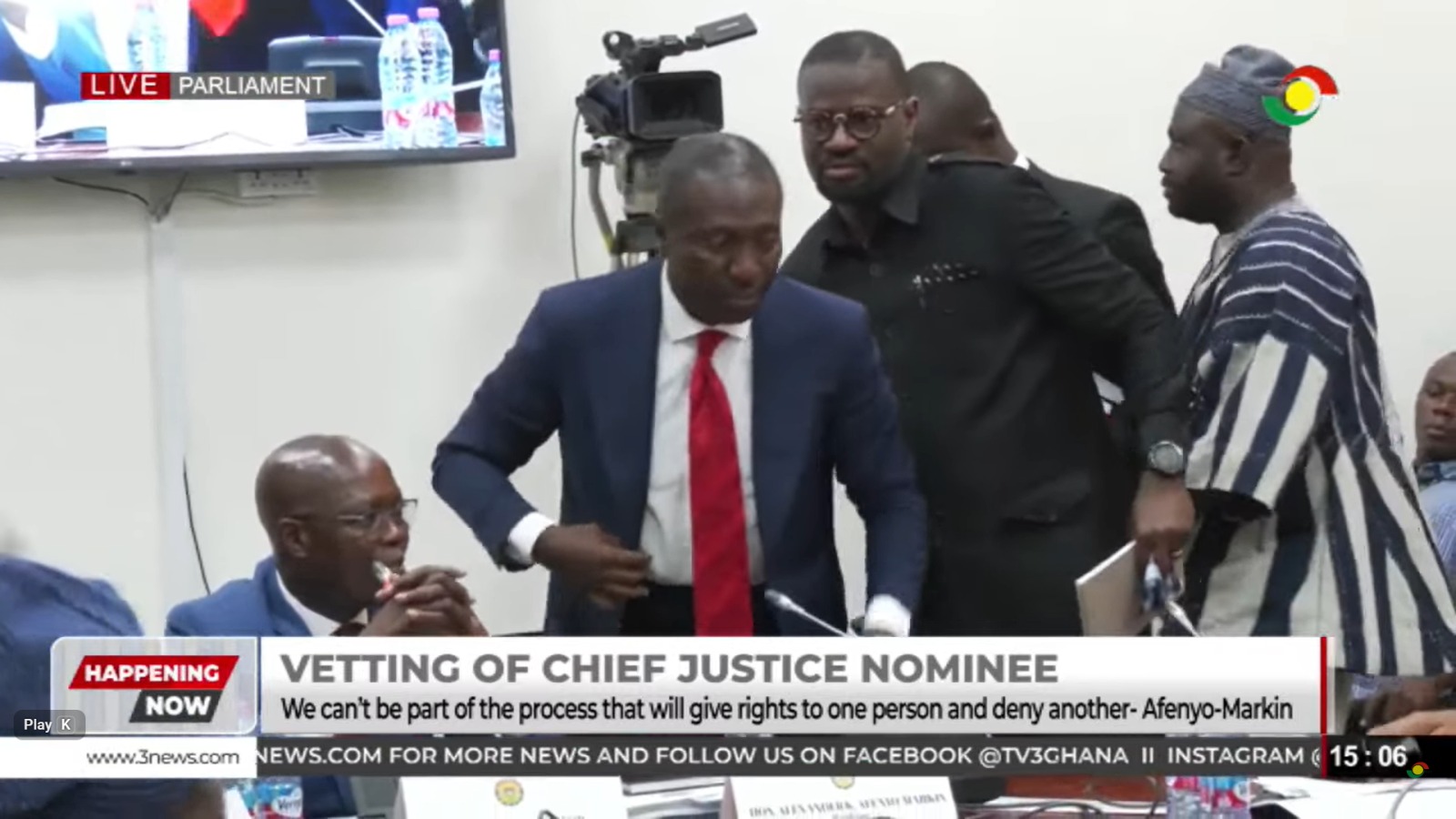
The very purpose of the vetting to ensure that only qualified and credible individuals occupy positions of trust is overshadowed by the partisan struggle for dominance. More often than not we see most affected part of the house leaving the vetting auditorium to leave decision in the other hands of government. IS THIS REALLY DEMOCRATIC?
At the heart of the problem lies a deeper issue, the politicization of parliamentary oversight. When the vetting process becomes an extension of party competition rather than a test of merit, its credibility diminishes. Nominees who should be evaluated based on professional record and ethical integrity are often judged through the lens of political loyalty.
In the end, decisions are rarely unanimous, they are split along party lines, reinforcing the perception that political allegiance outweighs objectivity.
Despite the recurrent chaos, both the Majority and Minority often emerge claiming victory one for defending its government’s nominees, the other for demonstrating vigilance in accountability.
However, these self-declared triumphs do little to advance the national interest. The true casualty remains the integrity of the vetting process itself, which continues to be mired in contention and inefficiency.
For the vetting system to regain its purpose, Parliament must rise above partisanship and reaffirm its commitment to fair, transparent, and constructive scrutiny.
Only then can the process command the respect and trust it was designed to uphold. Until that happens, the vetting table will remain not a forum for national service, but a stage for political spectacle.