
Access to safe, sufficient, and nutritious food is recognized as a fundamental human right. Yet in Ghana, malnutrition is not evenly distributed affecting some groups far more than others.
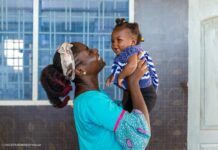
UNICEF (2023) report indicates that 1 in 5 Ghanaian children under 5 (18%) is stunted, affecting brain development and future productivity while overweight and obesity are rising and 10% of children under 5 are overweight, reflecting a double burden of malnutrition.
Malnutrition is estimated to cost Ghana up to 6% of GDP annually through lost productivity, poor educational outcomes, and increased healthcare costs.
And this is a significant burden on the country’s economy and highlights the need for urgent action to address the issue weakening gains attained in achieving the Sustainable Development Goals (SDGs).
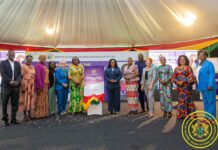
For this reason, the Women, Media and Change (WOMEC) initiative with support from the Eleanor Crook Foundation, aimed to empower journalists to effectively report on the issue of malnutrition and its impact on the country’s development, organized an orientation session for a group of journalists in Ghana to equip them with knowledge and skills to become nutrition champions and amplify advocacy against malnutrition in the country.
Participants learned about the causes and consequences of malnutrition, as well as the policies and programs in place to address the issue. They also had the opportunity to share their experiences and ideas for reporting on malnutrition.
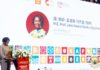
Professor Francis Zotor, a public health nutrition expert at the University of Health and Allied Sciences (UHAS), in a presentation to participants on the status of malnutrition in the country, recommended a bold, coordinated, and multi-sectoral actions, Increase investment in climate-resilient agriculture, Strengthen local food fortification policies and Align national strategies with continental frameworks after highlighting the alarming statistics of the situation.
‘‘1 in 5 Ghanaian children under 5 is stunted, affecting brain development and future productivity. Additionally, 10% of children under 5 are overweight, reflecting a double burden of malnutrition. Among women of reproductive age, 42% suffer from anemia, weakening maternal and newborn health,” he said.
The program is under the “Nourish Ghana: Advocating for Increased Leadership to Combat Malnutrition” project, a timely initiative that aims to promote action to address malnutrition in Ghana. It also recognizes the critical role that journalists play in shaping public opinion and influencing policy decisions.