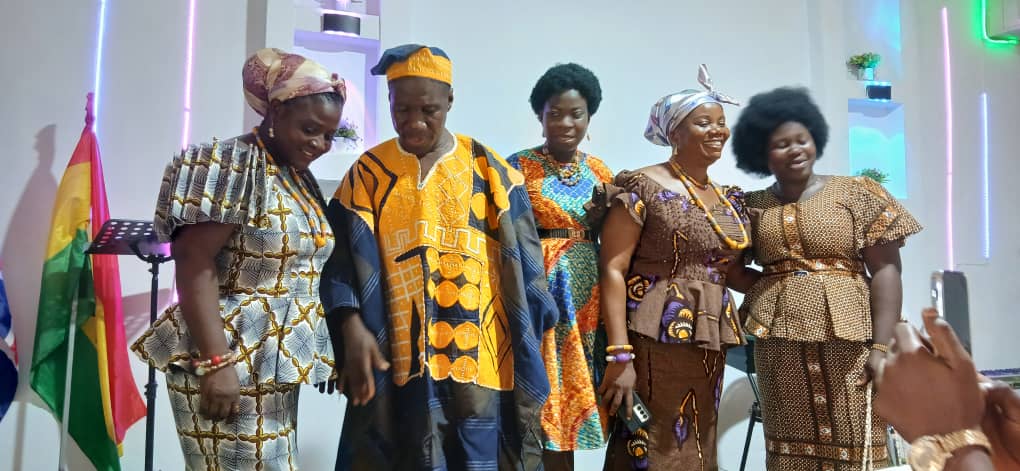

The Assemblies of God Church at Juaboso in the Western North region marked Ghana Month with a special celebration held at the church grounds on Sunday, March 30, 2025.
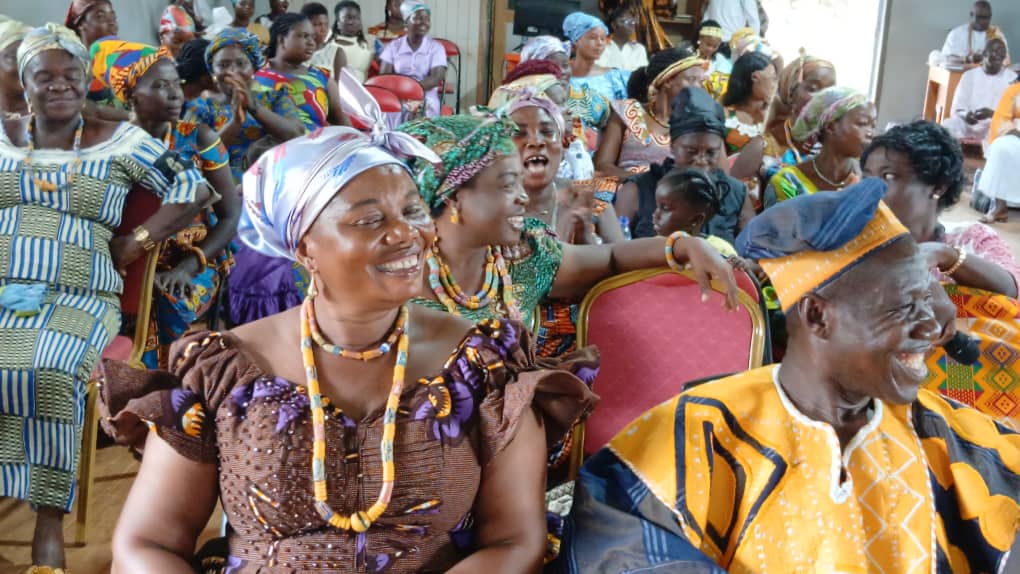
During the event, many church members embraced their African heritage by dressing in traditional attire from various tribes. The celebration was a vibrant display of Ghana’s rich cultural diversity.
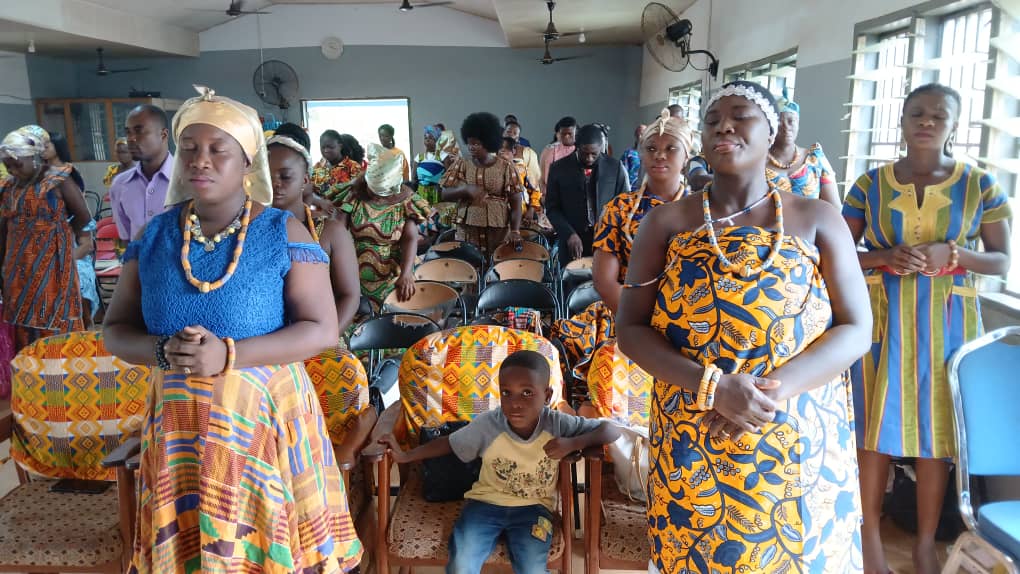
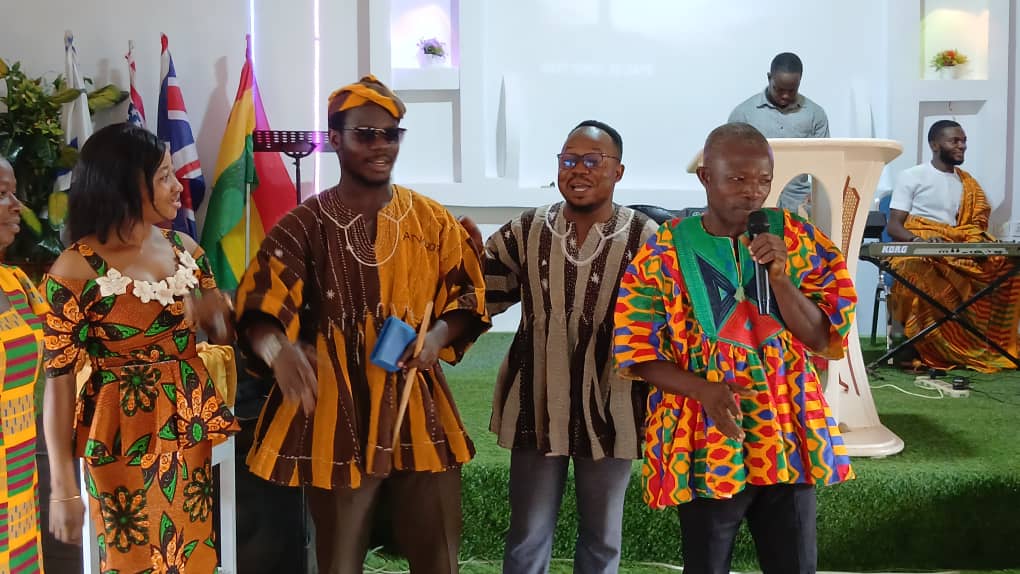
Members of the congregation also showcased their tribal songs, expressing pride in their unique cultural identities.
Additionally, the church community learned about traditional Ghanaian foods, including how to prepare them, helping to bridge the gap between different cultural backgrounds and foster understanding.
The church members were thrilled by the event and expressed their excitement about learning from other tribes’ cultures, including their food, traditional clothing, and dances.
Many shared their joy with OnuaOnline.com, saying that they were grateful for the opportunity to discover new foods and songs. Some even expressed a desire for similar celebrations to take place every Sunday, to further showcase the diversity of Ghanaian culture.
Pastor’s address on the importance of culture and unity
Prophet Elijah Adama, the head of the church, spoke about the significance of the Ghana Month celebration. He emphasized that even though colonial powers once came to Ghana, they did not change the language or the culture, which shows how important and resilient Ghana’s cultural heritage is.
He urged the congregants to take pride in their heritage and always be proud of their roots. The pastor also highlighted the importance of national unity and patriotism, encouraging Ghanaians to remain united and support the country’s progress.
He called on all citizens to be law-abiding, stressing that following the laws of the land is crucial for national development.
Prophet Elijah Adama explained that respect for the law is essential for the country’s growth and stability. He encouraged Ghanaians to always respect the laws and work together towards a brighter future.
By Emmanuel Sowah