
As Ghana celebrates Ghana Month, a period dedicated to appreciating the nation’s rich cultural heritage, attention turns to one of the Ga people’s most sacred and enduring traditions—Kplejoo.
Also known as Kple or Kplejoo, Kplejoo is an ancient religious dance of the Ga-Adangbe people of the Greater Accra Region.
Unlike many popular dances performed mainly for entertainment, Kplejoo carries deep spiritual significance and is closely connected to the religious traditions and communal life of the Ga people.
A Sacred Dance Rooted in Spiritual Tradition
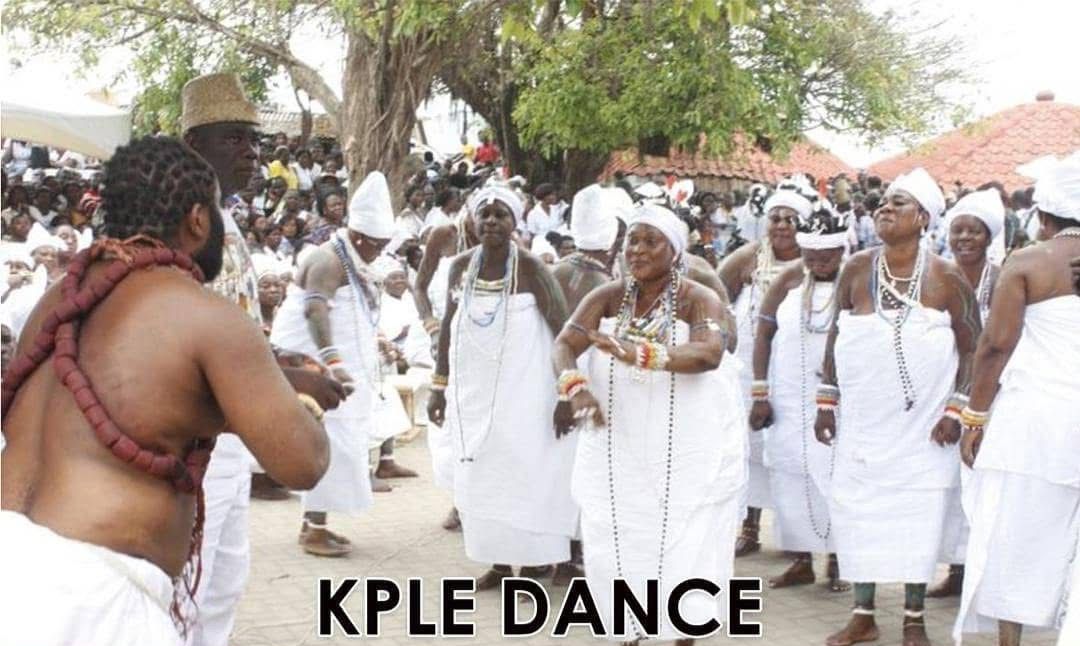
Historically, Kplejoo originated during a time in Ga society when spiritual leaders played a central role in guiding the community. The dance is primarily performed by traditional priestesses, known as Wɔyei, and other spiritual leaders at shrines and sacred gatherings.
Through rhythmic movements and ritual symbolism, performers are believed to communicate with gods and ancestral spirits, seeking protection, guidance, and blessings for their communities. In this way, Kplejoo is not merely a dance but a sacred act of worship and spiritual expression.
Kplejoo is Central to Major Festivals
Kplejo plays an important role in some of the most significant festivals of the Ga people. It is prominently performed during the Homowo Festival, celebrated annually in late August or early September. The festival commemorates the triumph of the Ga people over a historic famine and celebrates abundance and unity.
The dance is also central to the Kplejoo Festival, observed mainly in communities around Tema and Kpone between June and July. During these celebrations, priestesses perform the dance at shrines as part of rituals meant to honour the gods and ancestors and to invoke blessings for the land and the people.
Beyond the spiritual rituals, the festival also creates space for youth groups who perform songs and dance inspired by the tradition. These performances often serve as social commentary, praising positive community values while calling attention to behaviours that may threaten social harmony.
Distinctive Movements and Ritual Attire
Kplejoo performances are known for their distinctive and deliberate movements. Dancers move rhythmically, stamping their feet from side to side while sometimes advancing slowly in a coordinated formation. The pace may shift from calm and measured to more energetic movements, depending on the stage of the ritual.
Participants are typically dressed in white cloth, symbolizing purity and spiritual devotion. Their attire is often complemented by beads and hyssop worn around the neck, further emphasizing their sacred connection to the spiritual realm.
Hyssop refers to sacred leaves or plant materials worn during rituals to symbolize purity and spiritual cleansing.
Not to Be Confused with Kpanlogo
Although both originate from the Ga people, Kplejoo should not be confused with Kpanlogo, a more modern dance widely performed by the youth for entertainment and social gatherings.
While Kpanlogo reflects the lively social culture of the Ga people, Kplejoo remains deeply ceremonial, performed mainly during religious rituals and traditional festivals.
Preserving Ghana’s Cultural Heritage
As Ghana highlights its traditions during Ghana Month, dances such as Kplejoo remind us of the enduring link between culture, spirituality, and identity.
For the Ga people, Kplejoo is more than a performance, it is a living heritage that preserves ancestral beliefs, strengthens communal bonds, and passes cultural knowledge from one generation to the next.
Through its sacred rhythms and symbolic movements, Kplejoo remains a powerful reminder of Ghana’s rich and diverse cultural legacy.