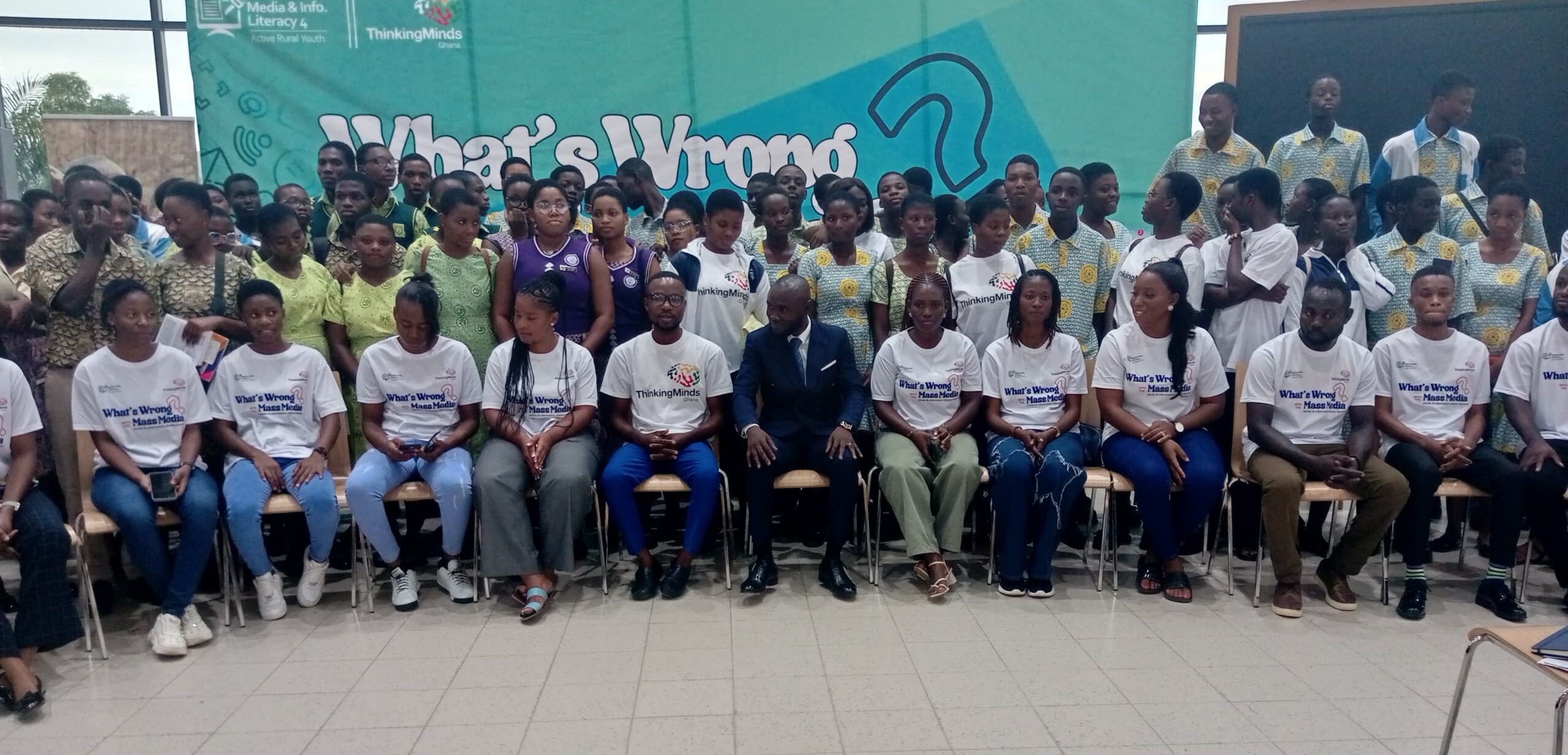

Students at various Senior High Schools in the Lower Manya Krobo Municipal of the Eastern Region have been educated on Media and Information Literacy skills.
The project was aimed at equipping them with the skills to verify information, discern credible sources, and understand the potential consequences of spreading misinformation especially fake news on social media.
Facilitated by Thinking Minds Ghana, a non-governmental organization, the maiden one-day Media and Information Literacy (MIL) summit
held in the Eastern Region, enlightened students on how to identify fake news, assess the credibility of online sources, and understand the impact of misinformation, emphasizing the importance of verifying information before sharing it and understanding the potential consequences of spreading false information.
Held under the theme, “What’s Wrong with the Mass Media?” Stakeholders engaged high school students and media professionals in critical discussions on the role of the media in shaping society.
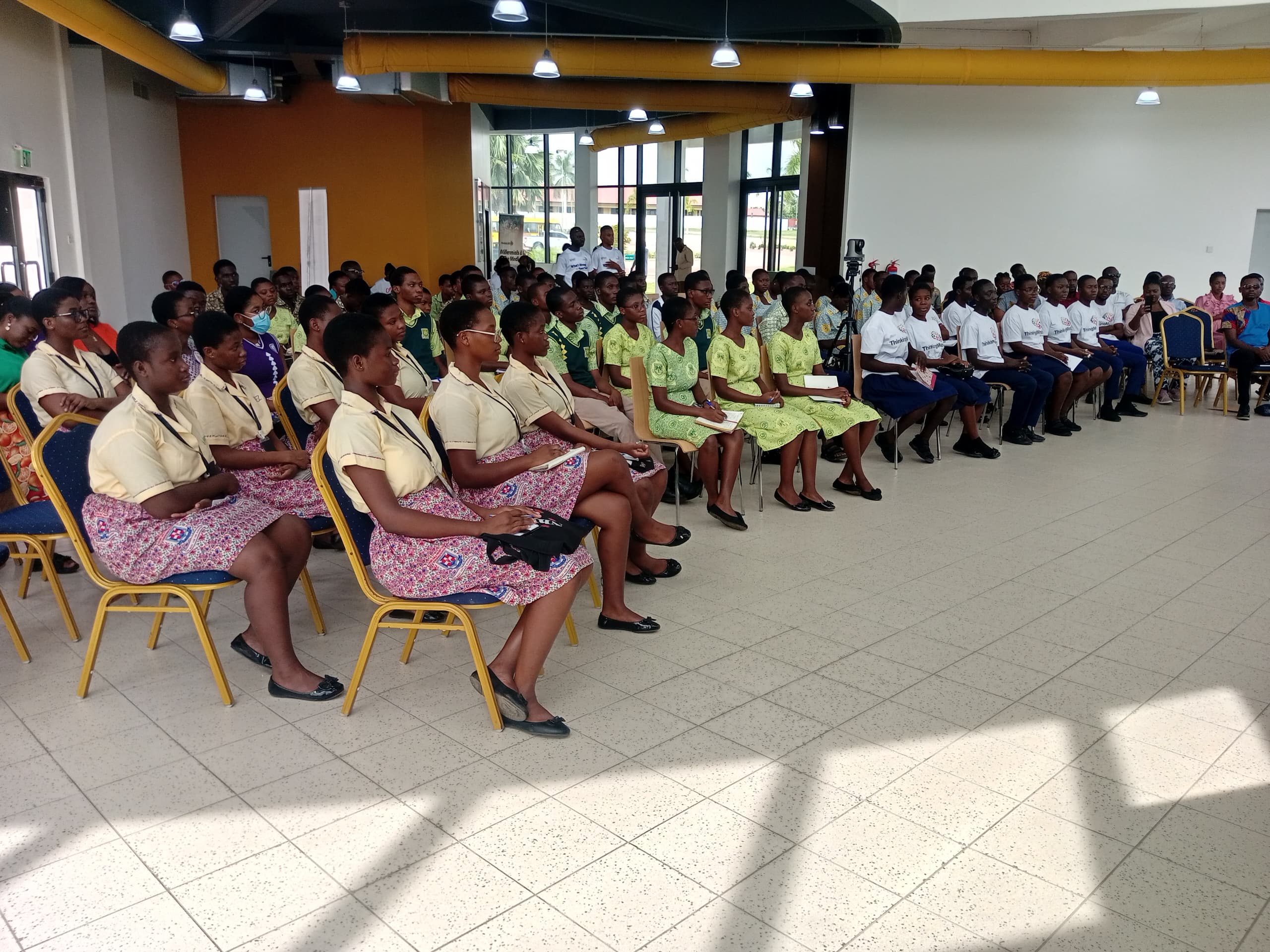
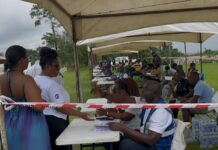
The event brought together 100 Senior High School students from selected schools including Manya Krobo Senior High School, Akro Senior High School, Krobo Girls Senior High School and the Kpong Technical Institute.
Five panelists from key MIL advocacy organizations, including the Executive Director of Thinking Minds Ghana, Seth Panyin Boamah; Emmanuel Koranteng Asomani, Project Manager at Penplusbytes; Edem Kunkpe, Project Associate, Dubawa West Africa; Theodore Korku Mawutor, Communication Consultant and a Multimedia Journalist and Dr. Joshua Ofoeda, Lecturer at the UPSA, partook in the nearly four-hour panel discussions.
The participants were sensitized on the destructive tendencies of misinformation, disinformation and mal-information which are particularly championed by social media platforms.
The panelists expressed concern over the increasing obsession with social media and the risks of being exposed to fake news, charging them in the process to read beyond headlines.
Thinking Mind’s Executive Director Seth Panyin Boamah noted in an interview, that fixing the media would reflect in the societal change.
“There are a lot of people on social media which have become the core of the mass media but not everybody can differentiate between fake and authentic news and not everybody knows the motive behind the information posted on social media, radio, or TV,” he said.
The Executive Director while explaining the need to be concerned over fake content in the media, said people take decisions based on what they consume in the media and called for swift action from policy makers and stakeholders.
He also called for support to enlighten the upcoming generation on the implications of the mass media, particularly through the formation of MIL clubs in SHSs to train ambassadors against false news and limit the negative influence of the Mass Media on Generation Z’s.
Theodore Korku Mawutor who is also an MIL advocate underscored the need for students and young people to target content that positively influences their lifestyles, adding that most users specialized in creating and circulating false news.
He urged local developers to prioritize developing other media platforms which would champion local content.
Some students shared their insights on the summit.
Angela from the Manya Krobo Senior High School said, “I learnt about a lot of things, the negative effects of media, the positive effects of media, how to look up to good information and how to verify fake information.”
Another from the Akro Senior High School said in an interview said it was important to avoid sharing fake and unverified information.
“I’ve learnt about how not to spread false information. Whenever you get any information from the media you first verify before sharing it.”He said
Aside from the interactive sessions, the summit featured the official launch of the first ever MIL Guide for Ghanaian Senior High School students developed by Thinking Minds Ghana.