
Firm yet empathetic, the Municipal Chief Executive of Prestea-Huni Valley in Western Region, Matthew Ayeh, has earned a reputation for confronting development challenges head-on.
Now, alongside the area’s Member of Parliament, Wisdom Cudjoe, he has turned his focus to what he describes as a “life-and-death priority” which is improving access to healthcare for remote communities.
The pair are spearheading the construction of in difficult-to-reach areas, where residents often endure treacherous road conditions before receiving even the most basic care.
For them, the initiative is not just an infrastructural project but a direct attempt to rewrite a narrative that has long cast rural parts as the forgotten frontier of healthcare.
“News of a lack of health facilities in municipalities with a significant number of hard-to-reach areas is becoming a tired tune, but together with my MP, we commit to change it,” Mr Ayeh pledged.

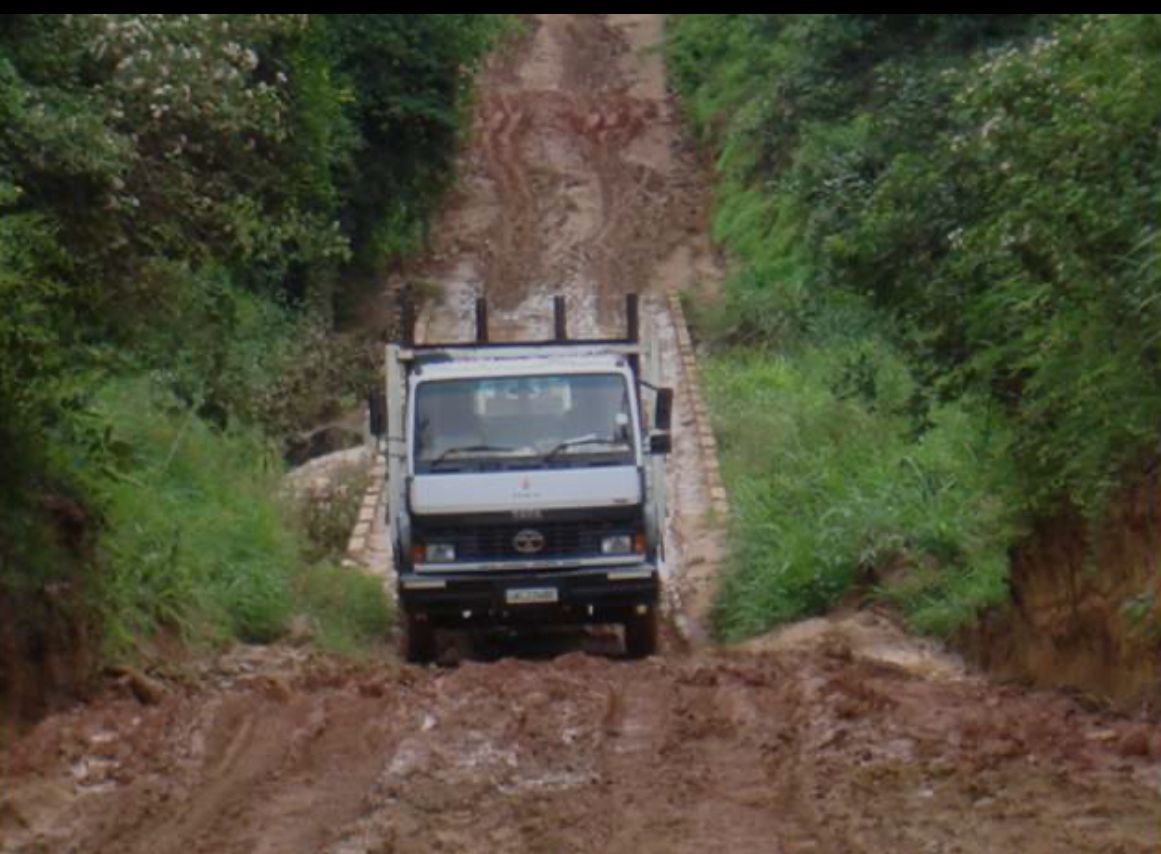
The challenge is familiar. Across Ghana, rural and underserved communities struggle with poor access to clinics, inadequate first-aid knowledge, and the sheer distances patients must travel on perilous roads.
In Prestea-Huni Valley, the absence of health posts in some communities has translated into heart-wrenching stories; residents of Yawkrom and nearby communities have sometimes seen emergencies turn fatal simply because help was hours away.
The construction of an ultra-modern CHPS compound, coupled with a nurses’ quarters, is now progressing steadily in Yawkrom sparking joy among more than 3,000 residents in Old and New Yawkrom, Domeabra, Nsiakrom, Kwahu, Obesekrom, Wassa Akuapem, and Agyeikrom.
Funded through the District Assemblies Common Fund (DACF) at a cost of Gh¢676,333, the facility will include an outpatient department, consulting and delivery rooms, and will be fitted with modern equipment.
It is, in many ways, a promise of dignity for people long forced to gamble with their health.
“You will not understand our joy,” one resident said. “Good people have been left with life-threatening medical conditions because we could not reach Bogoso early enough. Many pregnant women conceived with no complications only by the mercy of God. We don’t know when that mercy will run out.”

Currently, the nearest health facility is in Bogoso which is two hours away. For thousands of residents, that distance can be the difference between life and death. Mr Ayeh described the project as “an expression of our commitment to solving the challenge associated with accessibility.”
But building a facility is only part of the equation. Another test, one the health sector has grappled with for years, is attracting and retaining healthcare workers in rural areas. Many trained professionals turn down postings due to poor accommodation, limited amenities, and the sense of isolation.
Mr Ayeh acknowledged the challenge, explaining that the decision to pair the CHPS compound with a nurses’ quarters was deliberate.
“The wisdom in attaching the nurses’ quarters and ensuring it is completed at the same time as the health facility is to solve that challenge,” he said. “I am also looking at other incentives the assembly can offer to help attract workers and ensure they work diligently and are always on post.”
Analysts say Prestea-Huni Valley’s initiative mirrors a national dilemma: how to bridge Ghana’s rural-urban divide in healthcare delivery.
The National Health Insurance Scheme (NHIS), introduced two decades ago, has expanded access to care for millions. Yet, with just 43% of health facilities located in rural areas—home to nearly half of the population—many citizens still find themselves excluded from timely, quality healthcare.

As Ghana strives toward the SDGs, stories like Yawkrom’s underscore the urgency of not only building infrastructure but also ensuring that communities most in need benefit.
For residents of Prestea-Huni Valley, the hope is that this new chapter in healthcare delivery will mark a shift from survival by luck to survival by design.
By Eric Yaw Adjei