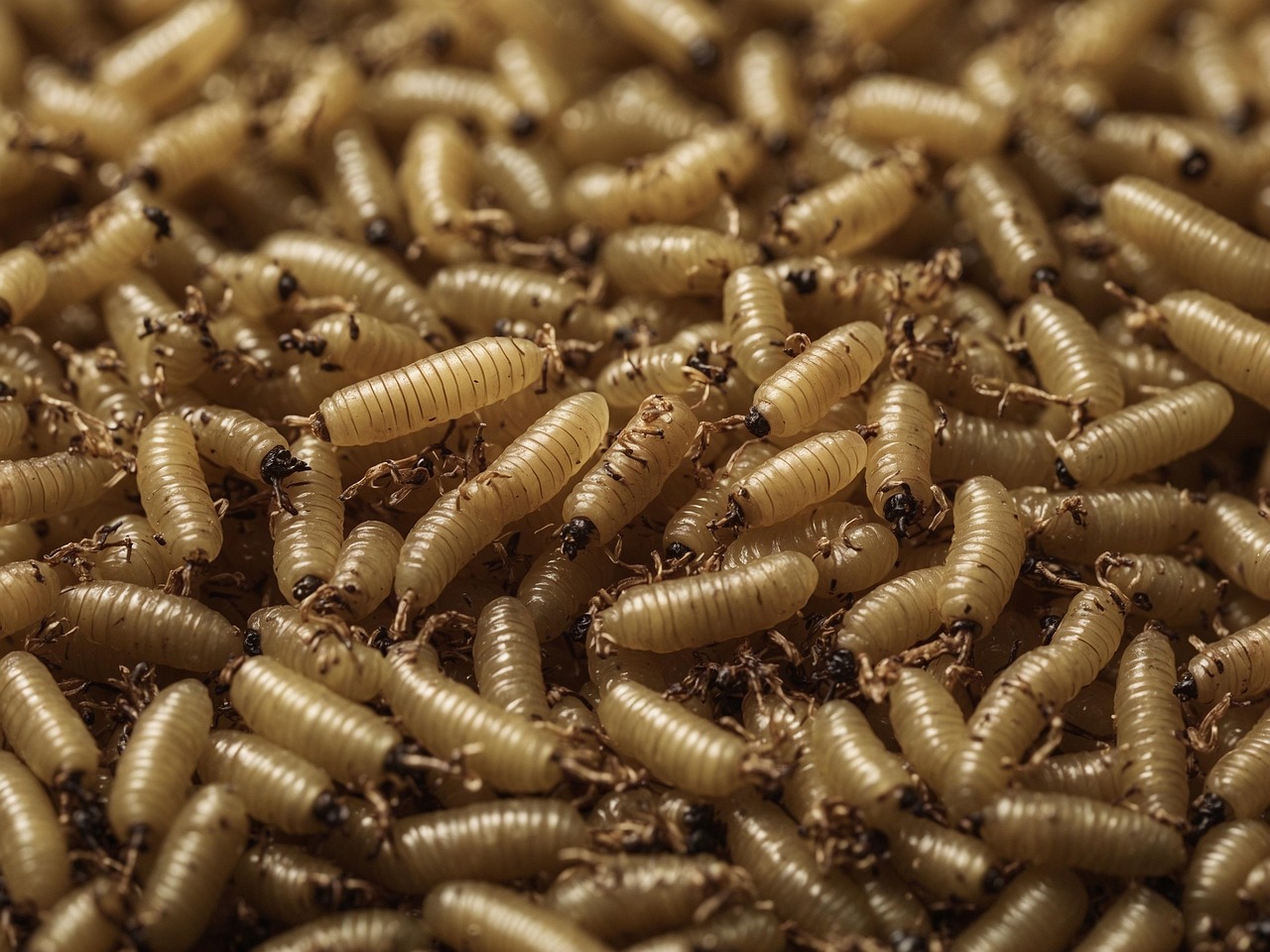

Maggot farming is fast emerging as a hidden treasure with enormous potential in Ghana.
While the idea may sound unusual at first, maggot farming is increasingly being recognized worldwide as a cost-effective and eco-friendly solution to two major challenges: managing organic waste and providing affordable protein for livestock and aquaculture.
Maggot farming involves the controlled breeding of flies, particularly the Black Soldier Fly (BSF), whose larvae are harvested as maggots. These maggots are rich in protein, essential amino acids, and fats, making them an ideal substitute for expensive fishmeal and soybean meal used in animal feed.
However, countries such as Kenya, South Africa, and China have already embraced maggot farming as part of their agricultural transformation. In Kenya, maggot-based feed companies are attracting investment and exporting products across Africa. Ghana has the right climate, abundant organic waste, and growing livestock demand to replicate this success.
The making process
The process begins by introducing organic waste such as food scraps, poultry droppings, or agro-industrial by-products to fly larvae. The maggots feed on this waste, grow rapidly, and can be harvested within 7 to 14 days. The end product is nutritious animal feed and an organic residue that can serve as fertilizer.

Why Ghanaians Should Invest in Maggot Farming
1. High Demand for Animal Feed
Ghana’s poultry and aquaculture industries are struggling with the high cost of feed, which accounts for up to 70% of production expenses according to 6Wreshearch. Maggot meal offers a cheaper alternative that can cut feed costs significantly and boost profitability for farmers.
2. Waste Management Solution
With rising concerns about waste disposal in urban centers like Accra, maggot farming provides an innovative way to recycle organic waste into useful products. Instead of polluting the environment, waste becomes raw material for income generation.
3. Profitability and Low Cost of Entry
Maggot farming requires minimal land and infrastructure compared to traditional livestock rearing. A small-scale setup can be started with basic equipment, making it accessible for young entrepreneurs and rural farmers.
4. Environmental Benefits
Unlike fishmeal production, which depletes wild fish stocks, maggot farming is sustainable and eco-friendly. It helps reduce greenhouse gas emissions from decomposing waste and contributes to Ghana’s green economy agenda.
5. Job Creation and Youth Empowerment
With unemployment being a persistent challenge, maggot farming can serve as a lucrative venture for Ghanaian youth, providing opportunities in farming, feed processing, waste collection, and distribution.
How to Get Started
• Training and Knowledge: Prospective investors should first seek training on maggot breeding and management. Several agricultural institutions and NGOs in Africa are now offering support in insect farming.
• Infrastructure: A simple shed with containers or crates is enough for small-scale production.
• Waste Supply: Secure regular access to organic waste materials.
• Market Linkages: Engage poultry and fish farmers who are eager to cut feed costs with sustainable alternatives.
Maggot farming is more than just an agribusiness ide. It is a climate-smart, sustainable, and profitable industry that Ghana must not overlook. With government support, private sector investment, and public awareness, the country can turn organic waste challenges into wealth creation opportunities.
For farmers, entrepreneurs, and young graduates searching for innovative agribusiness ventures, maggot farming could very well be the next “gold rush.”