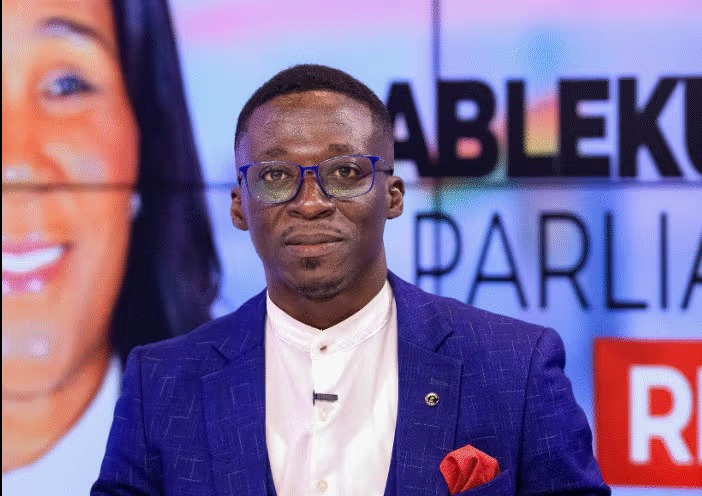

A private legal practitioner, Austin Kwabena Brako-Powers, has called on government to lay before Parliament the controversial agreement with the United States on West African deportees if it truly serves the national interest.
Speaking on TV3’s New Day with Joseph Ackah-Blay on Friday, September 19, 2025, Mr Brako-Powers expressed concern about what he described as the administration’s “dodgy posture” on the matter despite commanding a majority in the legislature.
“If they believe the agreement is in Ghana’s interest, they should send it to Parliament for ratification,” he said.
The government has come under intense public criticism after news broke that it had entered into a bilateral arrangement with the U.S. to accept West African nationals deported from America. The deal is said to be already in operation, even though Parliament has not considered it.
Foreign Affairs Minister Samuel Okudzeto Ablakwa has, however, defended the government, insisting that the arrangement is still “an MoU at this stage.” According to him, Memoranda of Understanding are not subject to parliamentary ratification.
But Mr Brako-Powers dismissed that argument. He maintained that “it does not matter what name the government gives the agreement — MoU or otherwise — once it binds the Republic, it requires the approval of Parliament.”
The lawyer said he was troubled by what he described as a “stream of misleading claims” from senior government officials in their attempt to justify the deal.
He pointed to past Supreme Court decisions on the matter, describing the court’s position as “succinct and unambiguous.” He stressed that any treaty or international agreement signed on behalf of Ghana must be subjected to parliamentary scrutiny.
Mr Brako-Powers cited cases such as Banful v. Attorney-General, Ndebugri v. Attorney-General and Brogya Gyamfi v. Attorney-General, noting that the apex court has consistently affirmed this constitutional requirement.
“The message is clear: no matter how urgent or strategic, agreements with foreign states must receive Parliamentary approval. Anything less is unconstitutional,” he emphasised.
According to him, the government’s hesitation is puzzling, especially when it controls the numbers in Parliament. He warned that refusing to follow the constitutional process undermines the country’s democratic order.
Mr Brako-Powers concluded that if the government continues to avoid parliamentary oversight on the deportee agreement, the only option left would be to return to the Supreme Court to enforce the Constitution.