
Over two decades ago, during my time at Nyankumasi Ahenkro Secondary School, my ‘school son’, as we used to say, Stephen Andrews Abban, shared with me, stories about his experiences in Tarkwa, a mining community in the Western region.
He told me about the “gather and sell” activities, now commonly referred to as ‘galamsey’ or illegal mining, which young adults in his community engaged in to make ends meet.
After school, I spent some time at Obuasi, known as the ‘city of gold’, with my elder siblings. There, I witnessed people involved in galamsey carrying out their daily activities. But in both instances, I didn’t hear about the environmental degradation that plagues the sector today, such as water pollution and forest destruction.
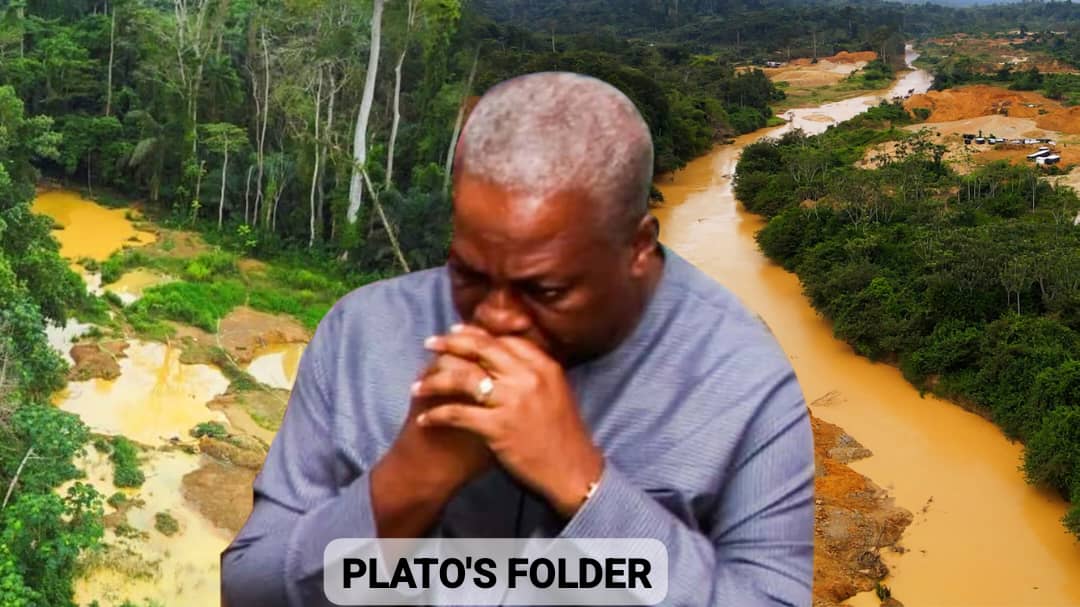
But today, the impact of galamsey is so stark and overwhelmingly evident that one wonders why the President would address world leaders without mentioning the critical issue that’s gradually tarnishing Ghana’s economic reputation.
President Mahama’s speech at the UN General Assembly
Fast-forward to Thursday, September 25, 2025, I was heartened to hear President John Dramani Mahama address the United Nations General Assembly. He called for the UN to establish a “reset agenda,” drawing inspiration from Ghana’s own efforts to revitalise its economy and governance amid the difficulties that characterised the polity he was put in charge of.
He highlighted the challenges his administration inherited from the previous government, which many consider one of the most difficult periods in Ghana’s history. Despite these hurdles, President Mahama told the world how he and his team have worked to stabilise the economy and promote development within the short period in office. He therefore urged the UN to follow a similar path, advocating for reforms to its governance structure, particularly its Security Council.
The speech, I believe, garnered widespread acclaim and applause across the continent and beyond. However, it’s likely that if a Q&A session were held after his address, the first question my President would likely face would be about his silence on galamsey, a pressing issue in Ghana today.
President Mahama’s full address at the UN can be accessed here.
What the President failed to do
In my opinion, omitting galamsey from the challenges inherited from the previous administration was a significant oversight in the President’s address. It’s akin to describing a valuable asset without mentioning its most critical components, such as talking about Ghana football without Asante Kotoko and Accra Hearts of Oak.
Ghana’s cocoa, a cash crop we’ve long prided ourselves on, is now facing rejection on the global market due to contamination from chemicals used in galamsey. If left unchecked, this issue could escalate, rendering our cocoa a liability rather than an asset.
Galamsey has far-reaching consequences, with research indicating that crops and fish in affected areas have been poisoned, posing serious health risks to citizens. Babies being born in areas where galamsey is prevalent are deformed, with some coming with either more or less of the normal fingers a human being is supposed to have. Moreover, over 20 million Ghanaians are at risk of losing access to clean water due to galamsey-related pollution, given the turbidity of water levels in the country now.
One can’t help but wonder if the President’s stance on galamsey reflects a differing perspective on its urgency. Civil society organisations and other stakeholders have been vocal about the need for decisive action to combat galamsey, including the call for the declaration of a state of emergency. But the President, during his recent encounter with the media said declaring a state of emergency was not an immediate action to be taken, while other options are on the table.
What the President should have done
In all fairness, to demonstrate the government’s commitment to tackling galamsey, just as the other issues he mentioned, the President could have highlighted the measures he is adopting to combat the issue in his address to the world leaders. With galamsey affecting Ghana’s cocoa reputation, he could have given an assurance that the menace is being addressed to ensure global confidence in Ghana’s cocoa production.
The onerous call has been to declare a state of emergency, which Mr. President, you said is not an option now.
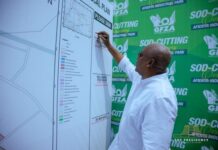
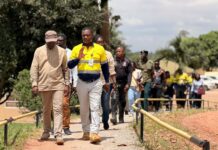
Your Minister of Lands and Natural Resources, Emmanuel Armah-Kofi Buah, has indicated that in eight months, they have arrested 1,400 illegal miners, surpassing the 800 apprehended by the previous administration in three years. The police, together with the Blue Water Guards trained by the Ghana Navy, have contributed to this feat.
I’m tempted to believe that the President’s silence on galamsey is because these efforts probably aren’t sufficient enough to reassure the global community that this existential threat is being effectively managed. Or does the President believe that the progress made so far wouldn’t be enough to convince the world that Ghana is on the right track in addressing this critical issue? If a soothsayer or a prophet had told me this was how things would unfold under you, Mr. President, I wouldn’t have believed it. Yet, that’s the harsh reality we’re faced with.
Inflation, high debt, soaring cost of living, and the other challenges you mentioned in your speech are issues Ghanaians voted for you to address. While it’s your responsibility to tackle them, we’re grateful that at least you’re acknowledging the problems and working assiduously to curtail them. The Akufo-Addo administration exacerbated these issues, and when we complained, Bawumia and co resorted to insults, claiming God had blessed them and we were just jealous.
When you were sworn into office, I wrote an article titled “Mahama’s Return: Will the critics that went silent regain their voices?” In that piece, I explained why those who saw nothing wrong with Akufo-Addo’s administration should equally see everything right with yours.
That’s why individuals like Miracles Aboagye, Ntim Fordjour, Nana B and others strike me as laughable when they claim to be patriotic and concerned about Ghanaians’ welfare, questioning the government’s approach to tackling galamsey. This is so because these guys refused to acknowledge the issue when they were in power and Ghanaians were calling for a state of emergency to address the menace. This is why I believe people like them lack the moral authority on the issue, despite having the right to free speech.
With the level of devastation caused by the previous government, I gave this administration a grace period of 18 months before critiquing its performance. However, galamsey was an issue that didn’t require such patience. You promised to address it head-on within your first 120 days in office Mr. President, but 266 days have passed, and we haven’t seen significant progress, apart from the reclamation of some forest reserves that were destroyed. The expectation was for more decisive action against this menace.
What Ghana would have benefitted
Mr. President, your address at the UNGA was an opportunity to highlight the measures your administration is taking to combat the illegal mining menace, reassuring the global community of Ghana’s commitment to tackling this existential threat. By sharing successes, such as the arrest of 1,400 illegal miners, and outlining additional actions being taken, you could have bolstered international confidence in Ghana’s cocoa industry and demonstrated leadership on environmental sustainability.
Your silence on galamsey raises questions about the government’s confidence in its strategies, giving room to critics to argue that your administration’s efforts, though commendable, may not be sufficient to convince the global community that the menace is under control.
Ghanaians expect strong leadership on critical issues like galamsey, and your omission may be perceived as a missed opportunity to showcase progress and rally global support to address it.
I also believe it was an opportunity to showcase Ghana’s proactive measures against the issue and reassure the international community and investors about our commitment to environmental sustainability and economic stability, and potentially garner support and resources to combat the menace, thereby protecting the country’s economic reputation and future, particularly when it comes to our cherished cash crop, cocoa.
Conclusion
I believe that moving forward, it is essential for the government to prioritise effective communication and transparency in addressing critical issues such as galamsey. By doing so, they can build trust with citizens and the international community, ultimately enhancing Ghana’s reputation and economic prospects as our cocoa is under threat.
The fight against galamsey requires collective effort and accountability from those in charge. As the government continues to implement measures to stimulate control, it must also demonstrate its commitment through proactive communication and leadership.
The writer, Felix Anim-Appau, works with the online unit at Media General. The views expressed in this piece are his personal opinions and do not reflect, in any form or shape, those of the Media General Group, where he works. His email address is [email protected], and he can be found on X as @platofintegrity