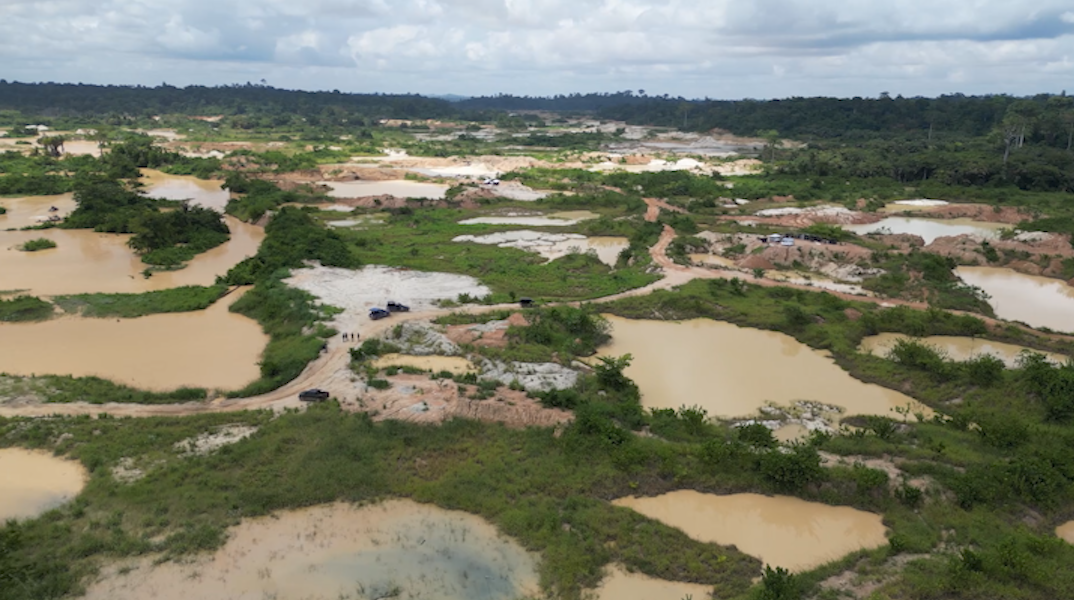

The University Teachers Association of Ghana (UTAG) is deliberating on whether to embark on another strike in solidarity with the ongoing fight against illegal mining, popularly known as galamsey.
Speaking on the sidelines of UTAG’s 22nd biennial congress, immediate past President, Professor Mamudu Akudugu, emphasized the need for the Association’s leadership to sustain pressure on government regarding the menace.
UTAG had previously declared a strike under his leadership, protesting what it described as government’s lack of commitment to tackling illegal mining. That action led to the signing of a pact with then flag bearers of political parties, in which they pledged to intensify efforts to end galamsey.
Professor Akudugu explained that “we embarked on a strike last year and later called it off after signing a pact with political parties. Recently, we had to remind the President (Mahama) about the commitments made in that pact. The fight against galamsey continues, whether I am president or not, and the new leadership will definitely carry on with it.”

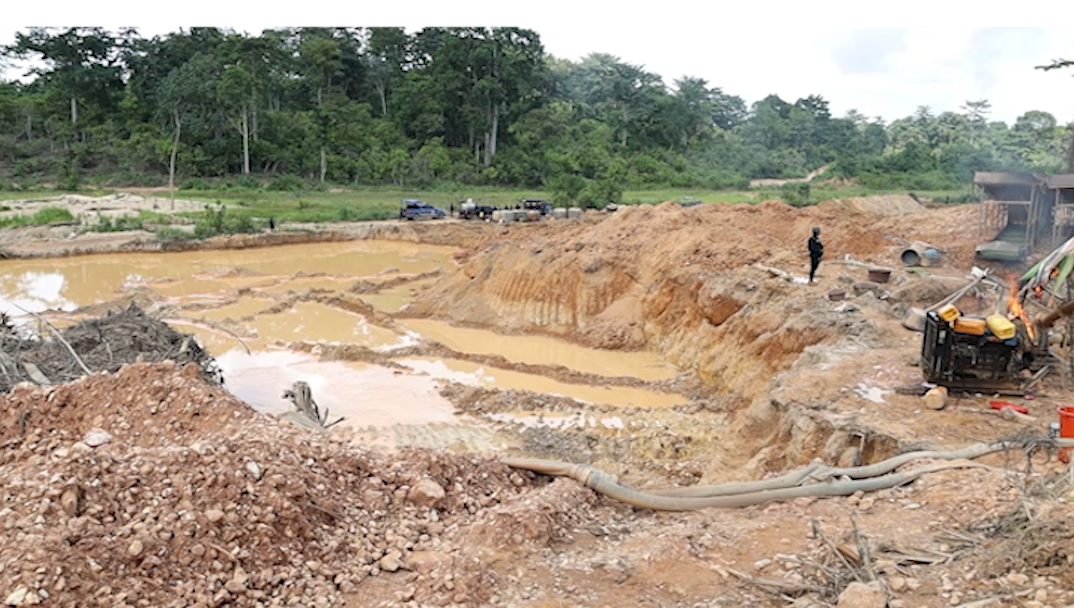
The devastating effects of illegal mining remain visible across the country. Traces of mercury, lead, and other toxic substances have seeped into soil and farm produce, raising concerns about food safety and public health.
While government has stepped up interventions such as declaring water bodies as security zones and deploying “water guards,” environmentalists argue that these measures are inadequate and must be elevated into stronger, long-term policies.
UTAG’s new President, Professor Vera Ogeh Fiador, the first woman to lead the Association, has pledged to sustain the momentum. She highlighted the need for legal reforms and environmentally sound mining practices.

“One of the key priorities is to work towards repealing LI 2462, which permits mining in forest reserves. We must also transition to sustainable mining practices that eliminate mercury and other heavy metals. It makes no economic sense to gain a few million cedis today and repay it with degraded lands, polluted rivers, and millions in health costs tomorrow. Together as a body, we will work with stakeholders to put the right structures in place for Ghana,” she said.
As part of its congress, UTAG is reviewing whether a fresh strike is necessary to reinforce its position. The leadership of the Association underscored that any decision would reflect the collective will of its members.
“When we take decisions as UTAG, we take them as a body. If government demonstrates good faith and shows tangible results, the group may reconsider. If not, we will take a decision that reflects the union’s mandate,” the leadership noted.
With its strong influence in academia and policy advocacy, UTAG’s stance could shape the national conversation on illegal mining. As the debate intensifies, the Association’s resolve may prove pivotal in mobilizing broader action to safeguard Ghana’s environment for future generations.