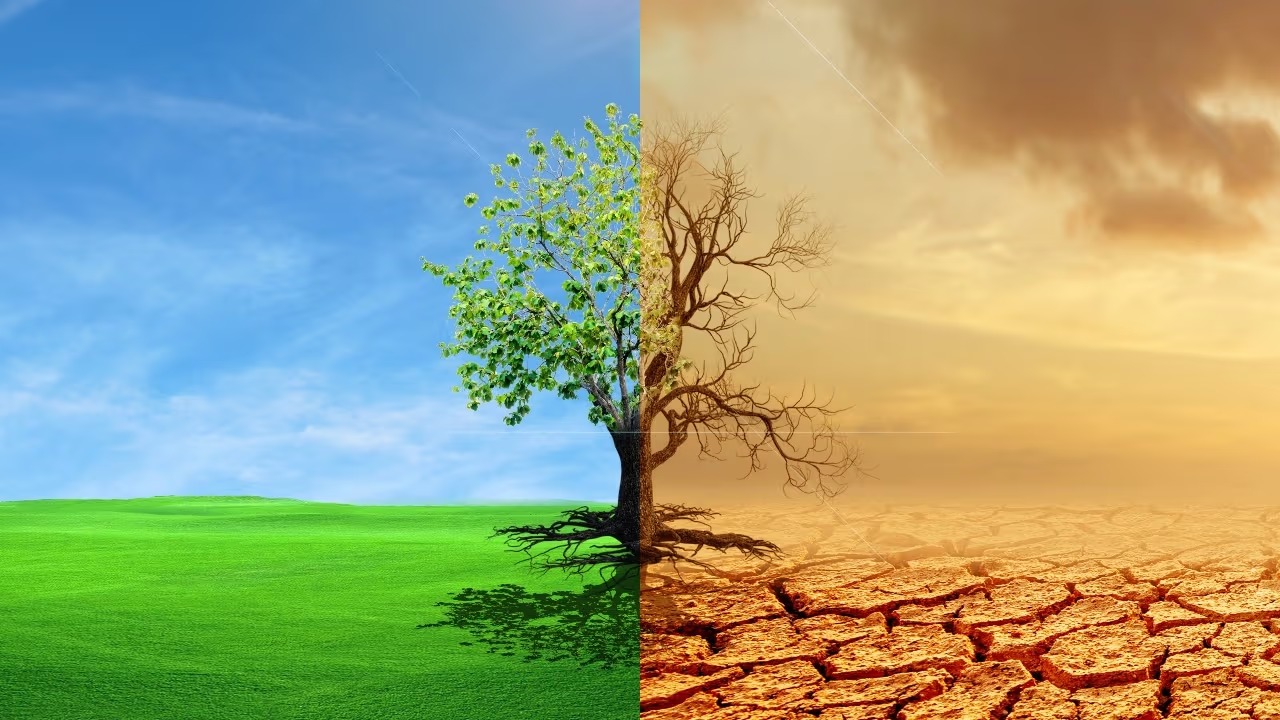

The growing impact of climate change on education is raising serious global concerns, with children and women disproportionately affected.
Stakeholders are now advocating for the integration of climate change into national curricula to equip young people with the knowledge and tools to respond to the crisis and support locally led solutions.
Across Africa, climate change continues to pose a serious threat. Unpredictable weather patterns, rising temperatures and erratic rainfall, are reshaping lives, livelihoods, and landscapes, deepening inequalities and disrupting communities.
Despite these challenges, farmers, youth, and policymakers are stepping up, innovating, adapting, and pushing for a more sustainable future.
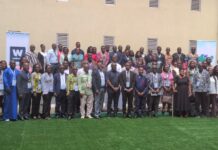
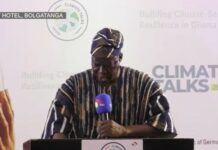
At the Africa Women and Children Conference (AFRIWOCC), wife of former Vice President, and founder of the initiative, Samira Bawumia, emphasized the urgent need to ensure women and children are meaningfully represented in climate discussions.

“The communique records Africa’s collective call to ensure women and children are meaningfully included in the climate discourse. It also calls for the mainstreaming of indigenous knowledge, capacity building, technical inclusion, equitable access to climate finance, and embedding climate education at all levels. We must recognize the intersections of climate risk with food security, migration, health, and peace,” she stated.
Canadian High Commissioner to Ghana, Myriam Montrat, expressed concern over the disruption of education caused by climate change, which has affected over 400 million children globally.
“Between 2022 and 2024, extreme weather events impacted the education of 400 million children. In 81 countries, schools were temporarily closed. Students in low-income nations lose an average of 18 school days annually due to climate-related disruptions, compared to just 2.4 days in wealthier countries. That’s striking,” she said.
She stressed the need for a more integrated educational system, noting that only 30% of teachers feel confident teaching climate-related topics.
“Teachers are crucial in preparing students for climate challenges, yet only 30% of them feel confident teaching climate-related topics.” Adding that, “Infrastructure and curricula are often ill-equipped to meet these urgent needs. Climate education must be embedded into broader educational goals. Women and girls, especially those socially excluded, bear the brunt of climate impacts,” Montrat added.
Minister for Environment in the Republic of Guinea, Djami Diallo, called for inclusive dialogue and youth empowerment.
“Africa’s future won’t be decided in boardrooms alone, it will be shaped in classrooms, startups, farms, and neighborhoods, wherever young people dare to dream and act,” she said.
She emphasized that barriers must not silence the voices of young people.
“We cannot afford to let these obstacles mute our brightest voices. When youth are involved, they help build stronger communities, accelerate the energy transition, and create a low-carbon economy. It’s about empowering them to lead the way toward a sustainable future.
As the climate crisis deepens, the call for bold leadership, inclusive policies, and global solidarity grows louder. Stakeholders agree: the time to act is now.