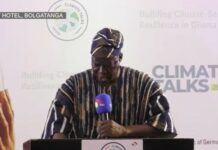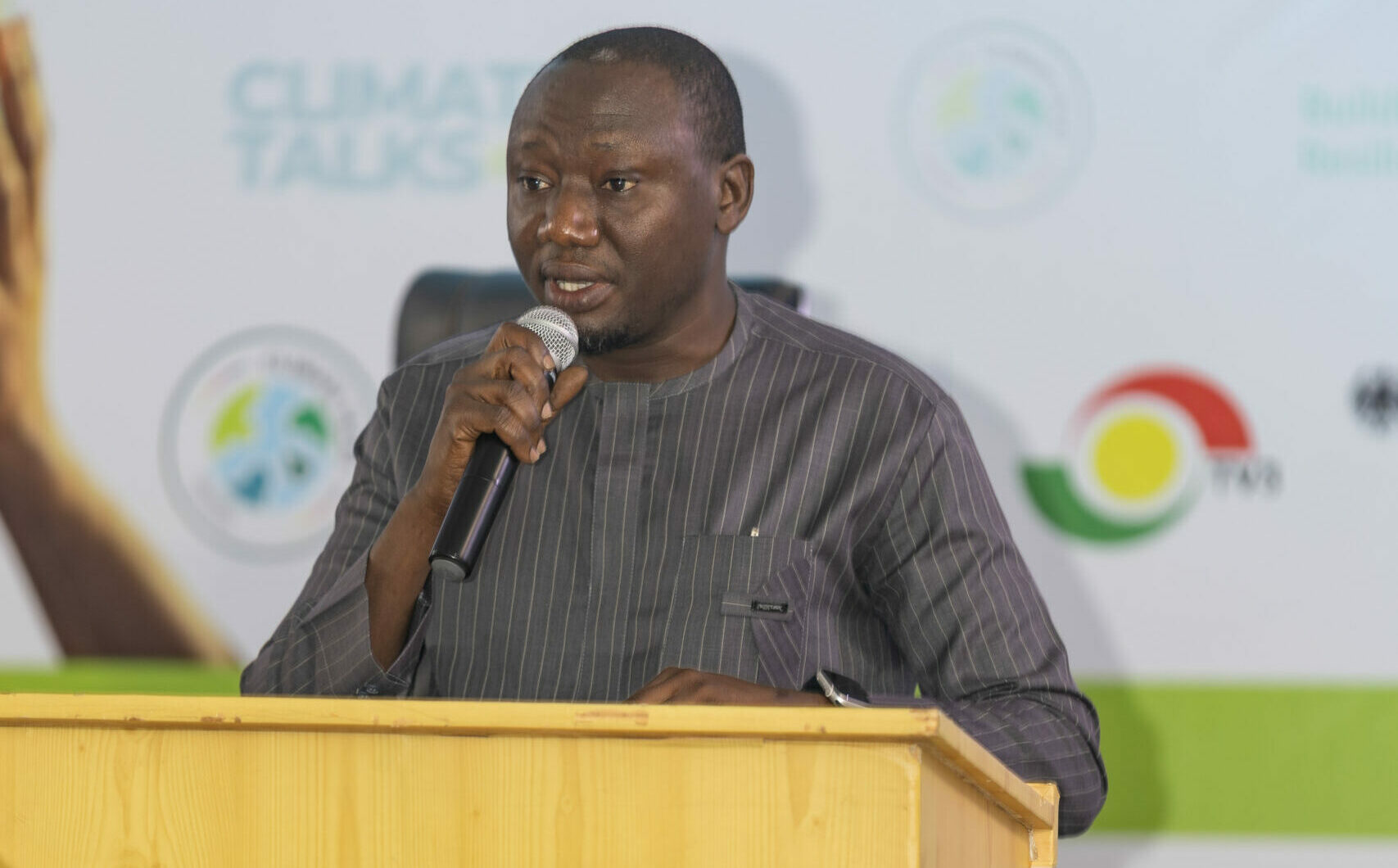

The Director of Administration at the Northern Regional Coordinating Council (NRCC), Abdul-Rahman Baba, has warned that climate change is rapidly evolving from an environmental issue into a major security challenge, particularly in Northern Ghana where communities are increasingly vulnerable to its impacts.
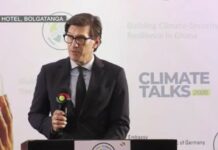
Representing the Northern Regional Minister at the Climate Talks 2026 organised by the German Embassy in partnership with Media General under the theme: “Building Climate Security Resilience in Ghana”, Baba said climate change has become a lived reality for residents across the region, threatening livelihoods, social stability and peace.
According to him, Northern Ghana remains one of the areas most exposed to climate vulnerability and environmental degradation, with rising temperatures, prolonged dry spells, erratic rainfall patterns, flooding, land degradation and shrinking water sources continue to threaten livelihoods and social stability across communities.
“Climate change is no longer a distant environment concern; it has become a lived reality for our people and an emerging security challenge that demands urgent attention.
“It is important to note that Northern Ghana is among the areas most vulnerable to climate vulnerability and environmental degradation,” he said on Wednesday, June 10, 2026 at the Pioneer Guest Lodge, Tamale.
He noted that for generations, agriculture, livestock production and natural resources have formed the backbone of local economies.
However, climate-induced changes are disrupting these traditional livelihood systems and creating new sources of tension and conflict.
“One of the most visible manifestations of this challenge is the persistence of farmer-herder conflicts,” Mr. Baba stated.
He explained that the reduction in grazing lands and the increasing scarcity of water resources have intensified competition between farmers and herders.
While farmers seek to protect their crops from destruction, herders struggle to find sufficient pasture and water for their livestock.
The resulting clashes, he said, have often led to the destruction of farms, loss of cattle, reprisal attacks, displacement of families and the erosion of the social cohesion that has historically united communities in the region.
“The result has often been the destruction of farms, cattle losses, reprisal attacks, displacement of families and the weakening of social cohesion that has historically held our communities together,” he noted.
Mr. Baba stressed that the growing link between climate change and insecurity underscores the need for urgent and coordinated interventions to prevent conflicts and promote peaceful coexistence.
He described the Climate Talks 2026 dialogue as both timely and necessary, noting that it provides an important platform for addressing emerging security threats linked to environmental pressures.
The NRCC official expressed optimism that the forum would help strengthen collaboration between security institutions and local communities, which he said is critical for effective conflict prevention and early response mechanisms.
He further emphasized that building trust between citizens and security agencies remains essential in addressing climate-related conflicts and safeguarding peace and stability across Northern Ghana.
“This is why today’s dialogue is most important and urgent.
“I am particularly encouraged that this forum seeks to strengthen co-operation between security actors and communities, building trust between citizens and security institutions essential for effective conflict prevention and early response mechanisms,” he stated.
Mr. Baba called for sustained engagement among stakeholders to develop practical solutions that will enhance resilience, protect livelihoods and reduce tensions arising from competition over dwindling natural resources.