
Lecturer at the African University of Communications and Business, and communications expert, Peter Wonders, has thrown his support behind the Trades Union Congress (TUC)’s call on President John Mahama to declare a state of emergency in response to Ghana’s worsening galamsey and water crises.
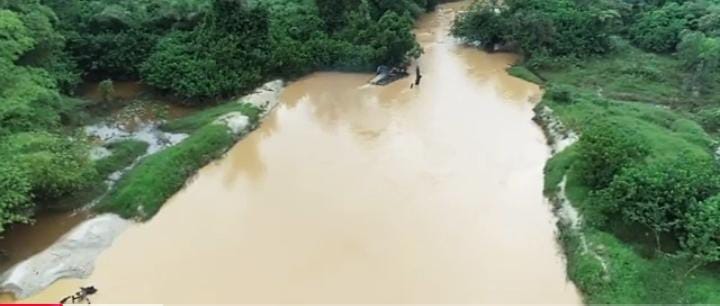
According to Mr. Wonders, the call is justified given the alarming impact of illegal mining, popularly known as galamsey, on the nation’s water bodies and public health. He cited the Kwanyako Water Treatment Plant shutdown as an example, noting that residents of the affected communities were left without access to clean drinking water.
“When the Kwanyako Water Treatment Plant shut down, people in that community did not have good water to drink. It shows how dire the situation has become,” he stated.

Mr. Wonders revealed that his personal research into the state of water accessibility in some communities around Accra uncovered disturbing findings.
“In some parts of Accra, I found that some women in Kpone-Katamanso exchange sex for clean water because entire community depends on a single water source- the Lartey-Bu Dam,” he said.
He explained that although the community has installed water pipes, there is no flow, forcing residents to fetch water from distant areas like Ashaiman and Manhean.
“The people say the water they use for bathing causes skin irritation and pain. They spend at least GHC100 on medication, and those who visit the hospital spend not less than GHC500,” he added.
Mr. Wonders stressed that if women in a non-galamsey areas are already being compelled to make such desperate exchanges for clean water, the situation in heavily affected mining communities could be far worse.
“If this is happening in Kpone-Katamanso where there is no galamsey activity, then what about women living in areas where galamsey has destroyed their water bodies?” he questioned.
He reiterated that the government must act urgently and comprehensively to address the environmental degradation and human suffering caused by illegal mining, emphasizing that the issue has transcended environmental concerns and now threatens public health, gender safety, and national stability.