
Preterm birth, otherwise known as premature birth, is birth before 37 weeks of gestation.
It remains a serious public health issue and is also noted as a leading cause of neonatal mortality (child death within the first 28 days of birth) in Ghana.
Although there have been significant efforts and some progress, Ghana continues to combat this health issue.
According to the World Health Organisation, about 13.4 million babies are born preterm globally each year. Approximately one million out of this number die from complications.
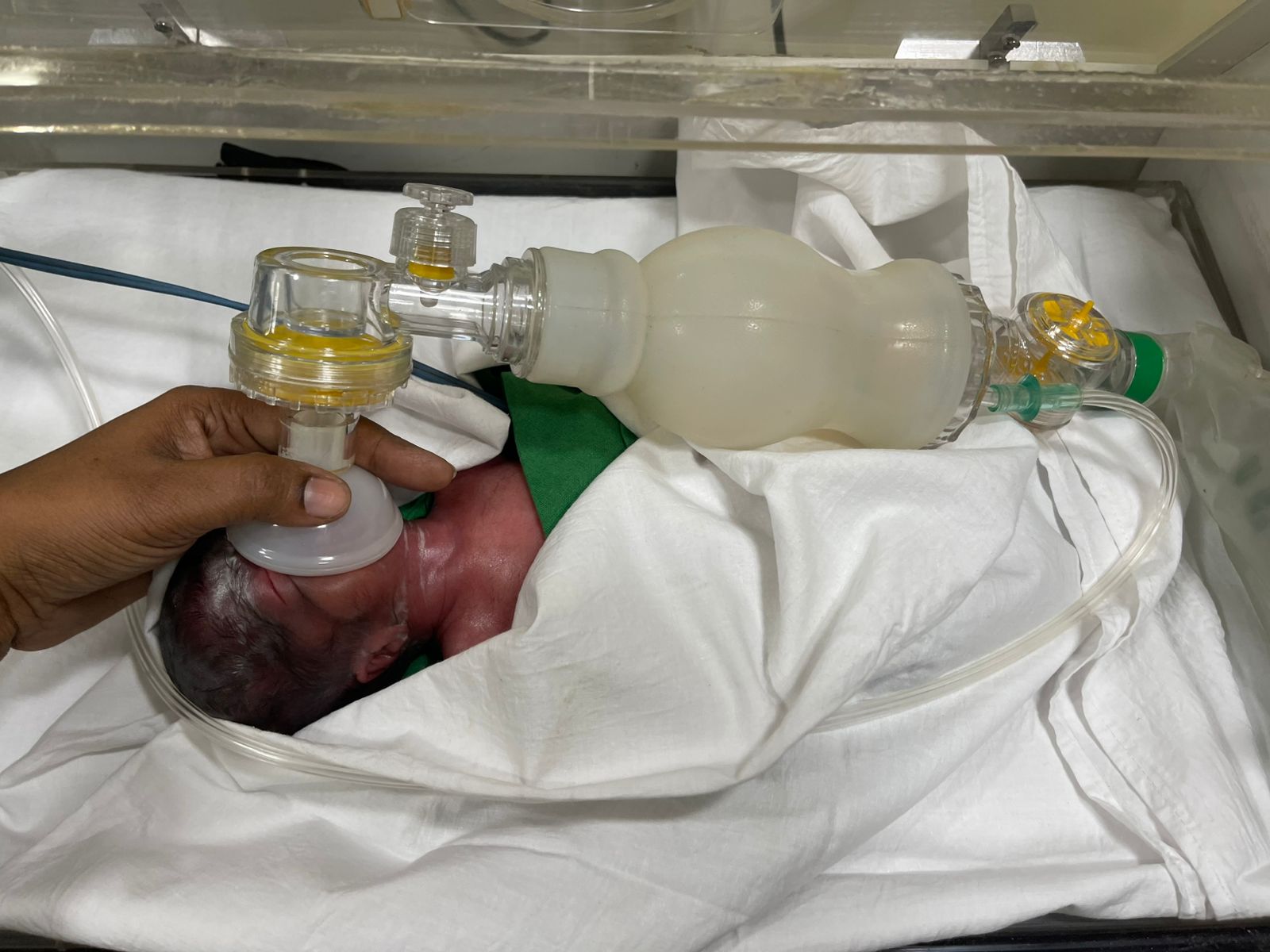
In Ghana, around 128,000 babies are born annually and 8,400 children under five die from preterm-related complications. This translates into the fact that most preterm babies do not survive. Partly because there is inadequate neonatal resuscitation equipment which are key in fighting preterm-related complications.
In an interview with the president of the National Association of Registered Midwives (NARM), Leticia Asaaba Atiah, she explained that, unlike the urban health facilities, the rural facilities suffer a deficit in neonatal resuscitation equipment, especially when it comes to the care of preterm babies.Recounting her recent visit to a midwife in one of the communities in the Oti region, she noted that the midwife did not even have a baby weighing machine to get an incubator to aid in attending to premature birth cases.
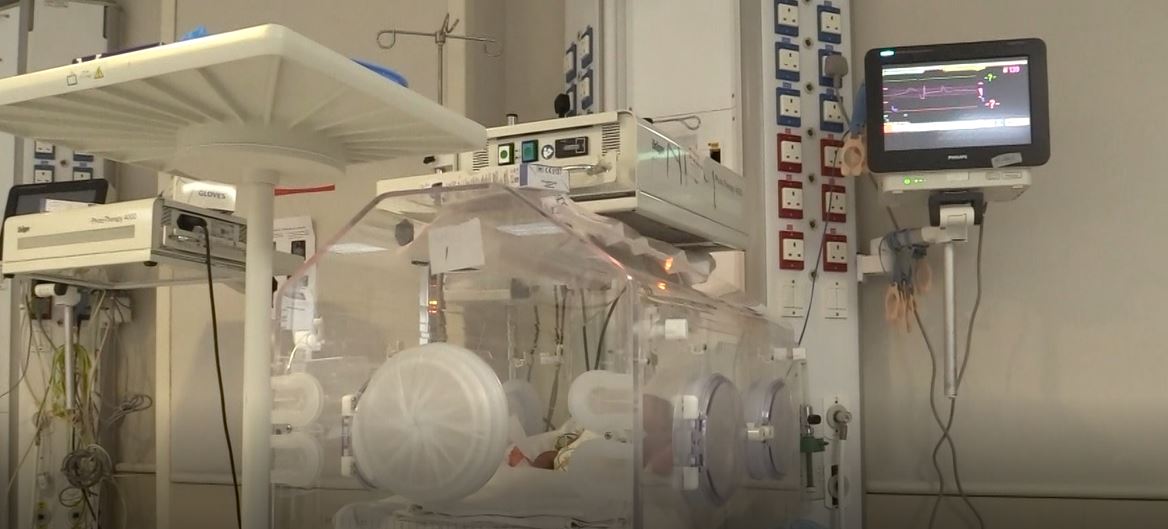
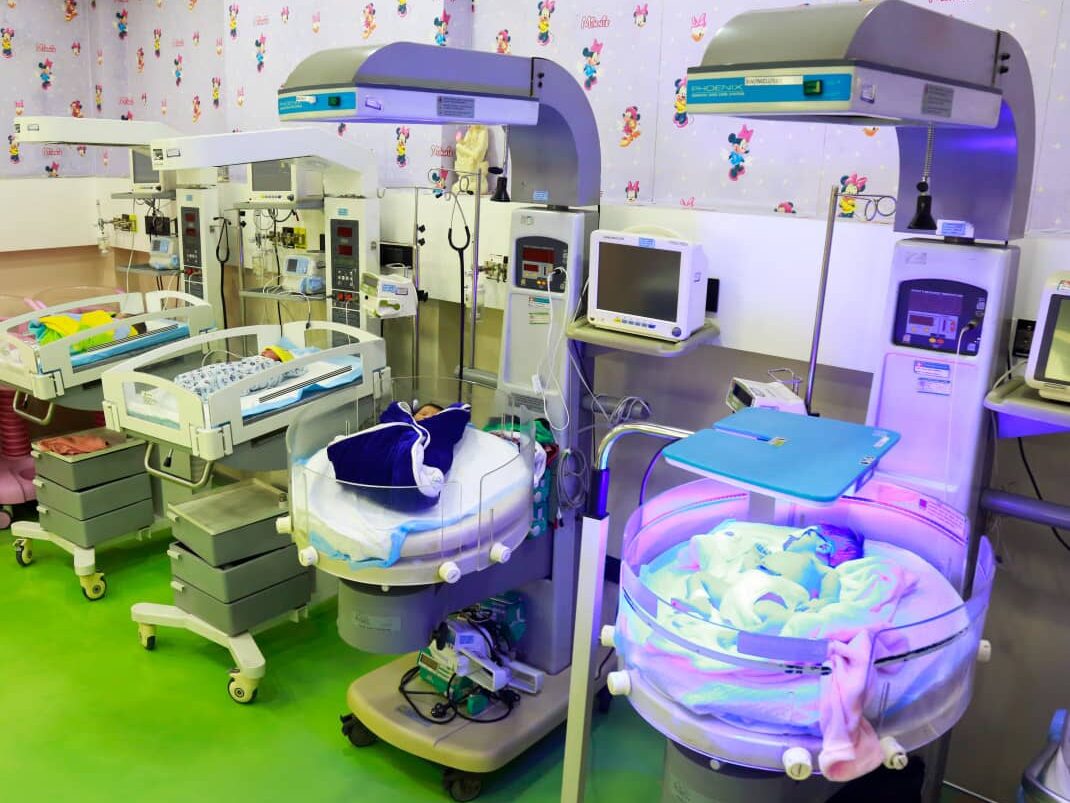
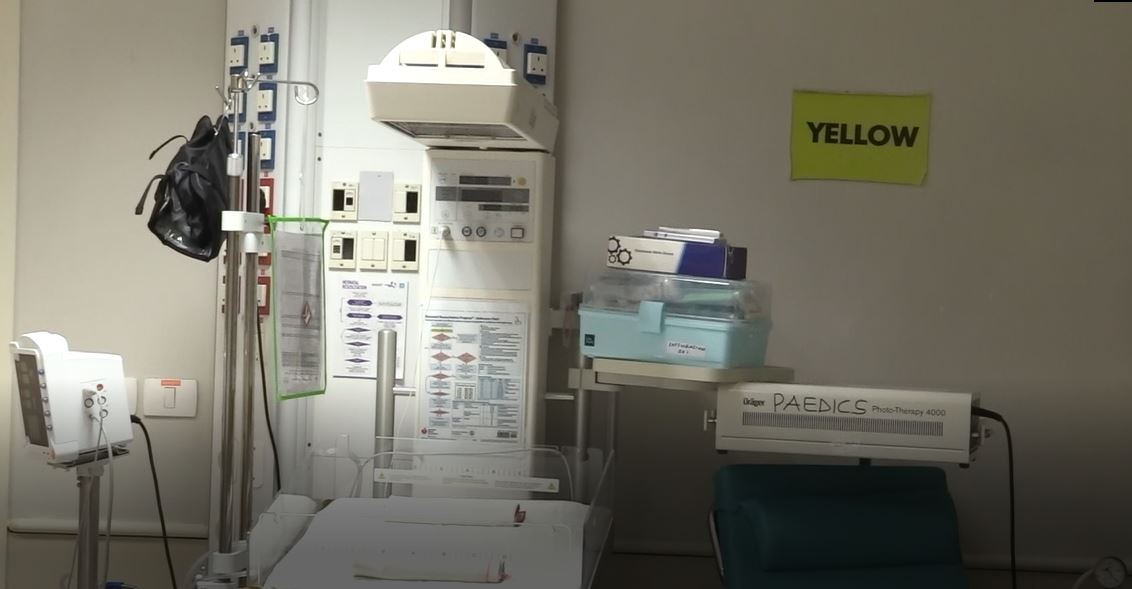
“Most of the equipment that we need to have for them, even those that are not expensive, they don’t have. They don’t have incubators, radiant warmers, phototherapy machines, oxygen concentrators and other neonatal resuscitation equipment. It is really a challenge for the midwives in the rural areas,” she said.
In further explanation, she noted that there are some facilities in the rural areas that some NGOs support. On the contrary, how to use the equipment becomes a challenge. For Madam Atiah, even if there will be equipment, training should be part of it. “While you give the equipment, then you train the midwife on how to use it so that maintenance will not be a problem.”
But how can the preterm-related complications be solved without the necessary neonatal resuscitation equipment?
Dr Sharron Makafui Aglobitse is the Organising Secretary of the Paediatric Society of Ghana, Greater Accra Region and a Paediatrician at the University of Ghana Medical Centre. She acknowledges that even in the urban facilities, not all the equipment are readily available. She also believes it is high time stakeholders come on board to support the equitable access to neonatal health resuscitation equipment.
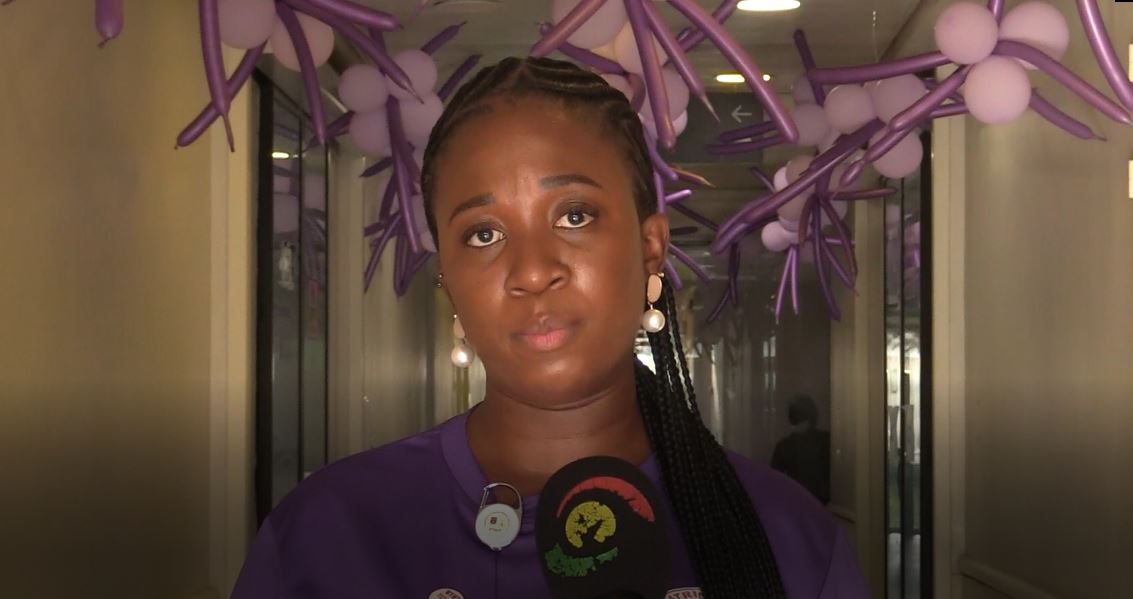
“The first thing is to make sure that all our hospitals are well-equipped to take care of the preterm babies when they are delivered. Without the equipment, it will be very difficult for any healthcare facility to adequately care for these preterm babies. We need general support because preterm care is not cheap, it is a very expensive venture.
“Once we have specialised care, the necessary equipment, and the family also have some support, then together we will be able to help that tiny baby to overcome some of these challenges.”
On the need for experienced hands, she said, “we call on policy makers, the government, that it is very necessary to have adequate staffing because preterm care is very demanding and it takes a lot. We need adequate neonatal nurses, paediatricians, and doctors running and manning our NICUs nationwide.”
Preterm babies are born out of no fault of theirs, yet many times, luck decides the chances of survival. Meanwhile, the socio-economic background, place of birth, and social status should not be a determinant of survival against prematurity because every preterm infant deserves the same quality care irrespective of their status.
By Samuel Yeboah Adams