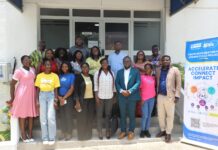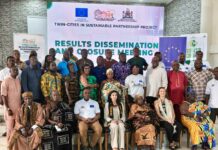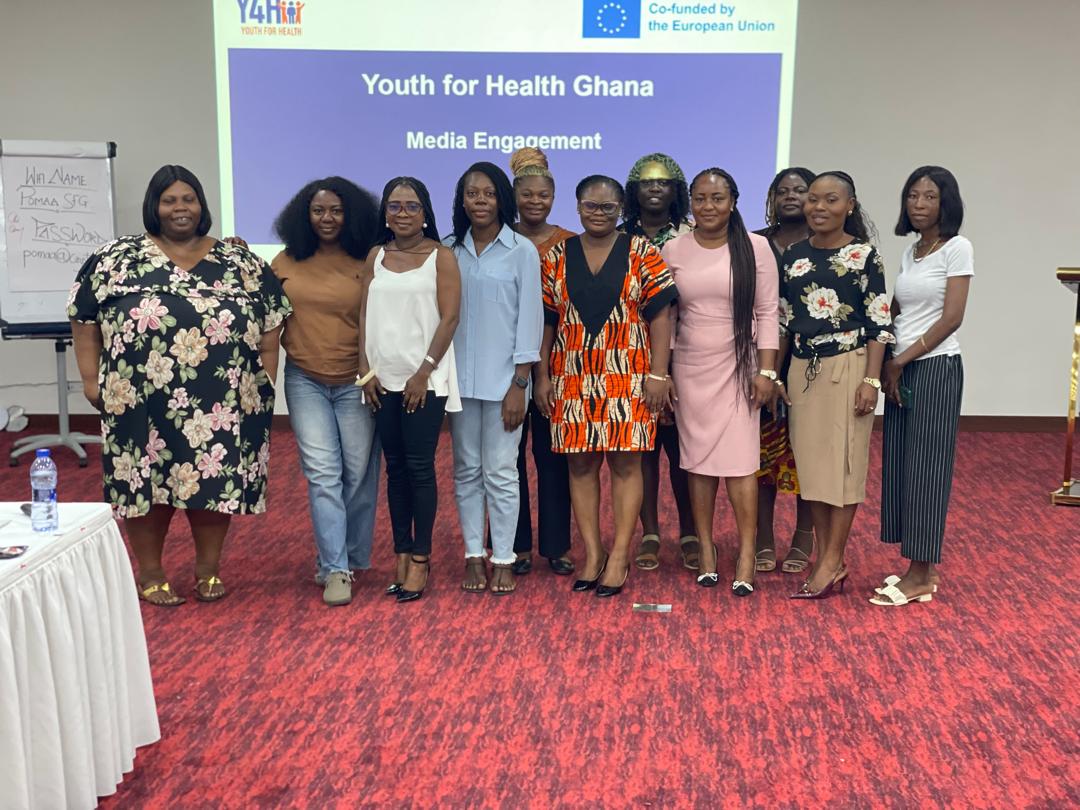

The Youth for Health Project has concluded its three-year implementation initiative in the Northern and Upper East regions of Ghana covering twelve districts.
The initiative, funded by the European Union and implemented by MSI Reproductive Choices and Youth Advocate Ghana, with support from the Ghana Education Service and Ghana Health Service, created safe spaces for learning and informed decision-making among young people.
The Project, which began in 2022 and ends in December 2025, focused on improving adolescent sexual and reproductive health and rights through education, service delivery and community engagement.
National Coordinator of the School Health Education Programme (SHEP) at the Ghana Education Service Theresa Oppong Mensah reaffirmed Governments commitment to youth health education as the Youth for Health Project officially draws to a close after three years of implementation.

She said that empowering young people with accurate information and practical skills remains critical to building a healthy and resilient generation.
‘‘The project has laid a strong foundation for sustained positive health behaviors among students. Students were equipped with knowledge and skills on reproductive health, HIV, nutrition, mental health and overall wellness. I would want to commend Youth Advocate Ghana and partner institutions for the dedication to schools and communities.’’ She said.

Despite its successes, stakeholders acknowledged challenges including deeply rooted sociocultural norms that limit young people’s access to sexual and reproductive health services, particularly in northern communities.
Director of Programmes at MSI Reproductive Choices, Clara Nyakoa Anim, described the project’s closure as a milestone rather than an end, highlighting its focus on increasing access to high-quality, discrimination-free sexual and reproductive health information and services for adolescents.
‘‘At the national level, the Y4H has generated valuable learning on how collaboration between health, education, and community systems can advance adolescent health outcomes. Sustaining these gains will require continued investment in capacity building, integrating these policies in alignment with national and sub-national plans and values.
So my hope is that we leave here with a renewed commitment. A commitment to protect the progress made, to strengthen collaboration across sectors, and to continue listening and to stand up with young people as they take charge of their health and future.’’ She admonished.
The project, which was also implemented in five other African countries, reached over 200,000 people in Ghana, averted more than 8,000 unintended pregnancies, and saved the country over 1.2 million Ghana cedis in potential healthcare costs. About 13.7 percent of beneficiaries were young people under the age of 20.