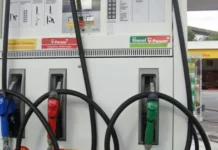

The Chamber of Petroleum Consumers (COPEC) is urging the National Petroleum Authority (NPA) to scrap the price floors policy to allow oil marketing companies (OMCs) reduce fuel prices when market conditions are ripe.
The policy, set out in the 2024 petroleum products pricing guidelines and prevents Petroleum Service Providers (PSPs) from selling below the regulator-set minimum, COPEC says, is outdated.
Executive Secretary of COPEC, Duncan Amoah, says the policy comes at the cost of the consumer who cannot benefit from low prices even when the market conditions are favourable, due to the guideline that bars OMCs from selling below a certain price range.
Mr. Amoah was speaking on the back of the second pricing window in January which has brought some relief at the pumps due to the reduction in prices.
“The price floor that the NPA sets is outdated and has got to go. In a deregulated market, some of the best outcomes are market competition, and sometimes inventories or modes of payment for products will dictate how much I pay for product “A” as opposed to how much the next person pays for product “A”.
“If I have cash and I can negotiate a fairer price, I can probably pay off instantly and get a lower price, and while somebody going for credit may probably be priced a bit higher. And so, you don’t see why a regulatory body would want to interfere with itself and all of us by imposing price floors and price ceilings. Leave the market to as it were to work towards an efficient pricing mechanism.
“If an OMC can go below the price floor you set, you are only inconveniencing consumers by insisting that it should not sell below this floor. Maybe the authority should begin thinking outside the box and stop this whole arrangement of price floors or price ceilings because it does not work to the benefit of the consumer in any way,” Duncan Amoah told Citi FM.
The NPA, under the current guidelines, sets and price ceiling and communicates to the PSPs for deregulated products at the beginning of each pricing window.
PSPs are required to comply and may not sell below these floors. Those found in violation risk fines of up to GHC5,000.
Industry players had raised objections when the price floor was first introduced, arguing that it stifled competition and limited potential savings for consumers.
‘Maduro’s abduction would have been reason for fuel prices to go up if NPP were in power’ – NPA boss