
The Director for Allied Health at the Ministry of Health, Dr. Ignatius A.N. Awinibuno has underscored the importance of investing in biomedical engineering education.
He said this is critical in order to diagnose disease conditions accurately.
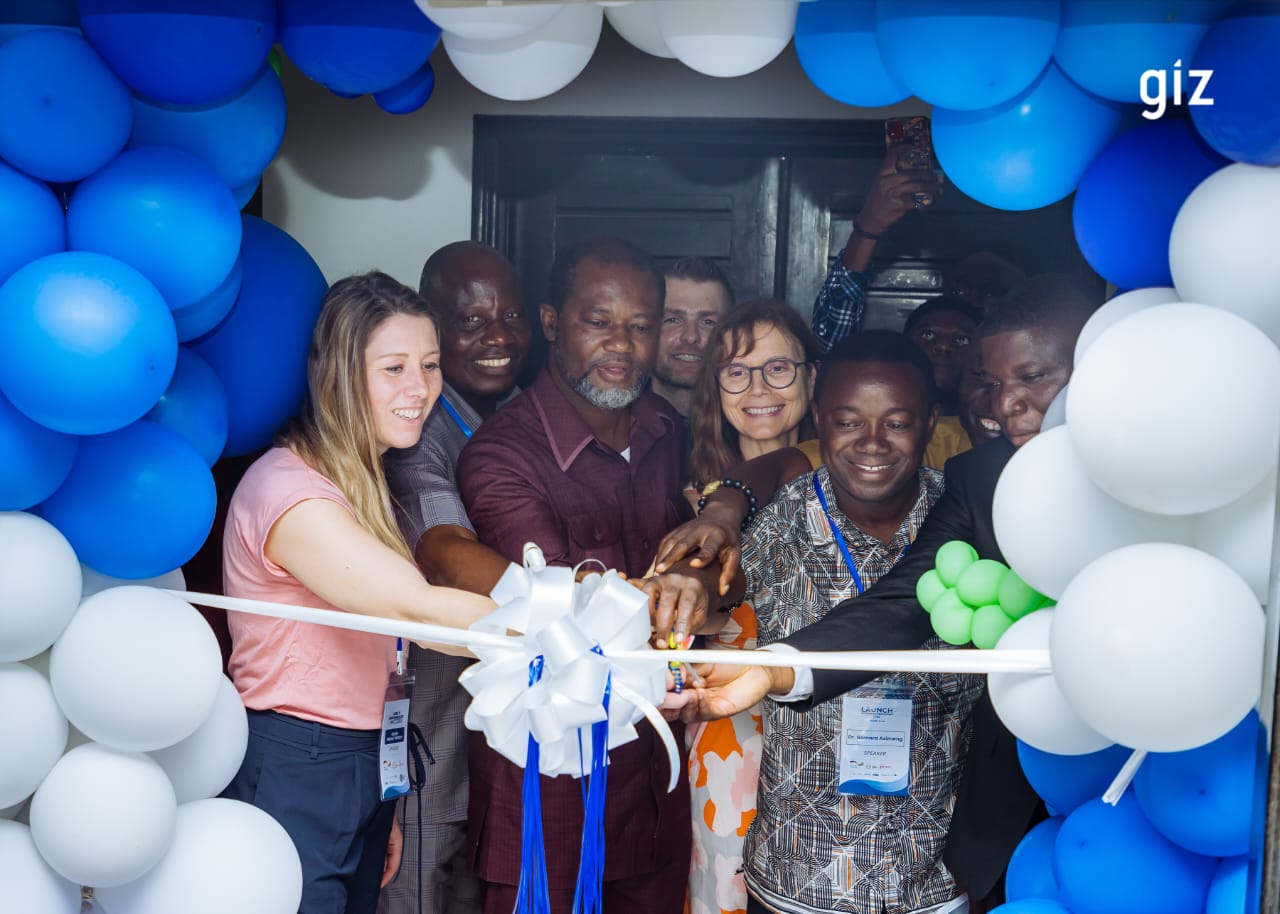
Dr Awinibuno made this statement when he delivered the Keynote Address at the launch of enhanced Bioinstrumentation Laboratories as part of the “Up-skilling Biomedical Engineers for Ghana” initiative in Accra on February 26.
“These practical Bio-instrumenation Labs will therefore serve as incubators of innovation and for the next cutting-edge health product. They are spaces where students move from passive learning to active creation, where curiosity meets circuitry and diagnostics meet design.
Ideas will be tested, refined, and transformed into solutions that respond directly to Ghana’s healthcare realities. Therefore, investing in biomedical engineering education is not a peripheral undertaking. It is central to strengthening health systems,” he noted.

The “Upskilling Biomedical Engineers for Ghana” project is jointly implemented by GIZ on behalf of the Federal Ministry for Economic Cooperation and Development and funded through develoPPP and medical technology companies B.Braun, Delft Imaging, Draegerwerk and Sysmex and adaptive learning solutions provider Area 9 Lyceum.
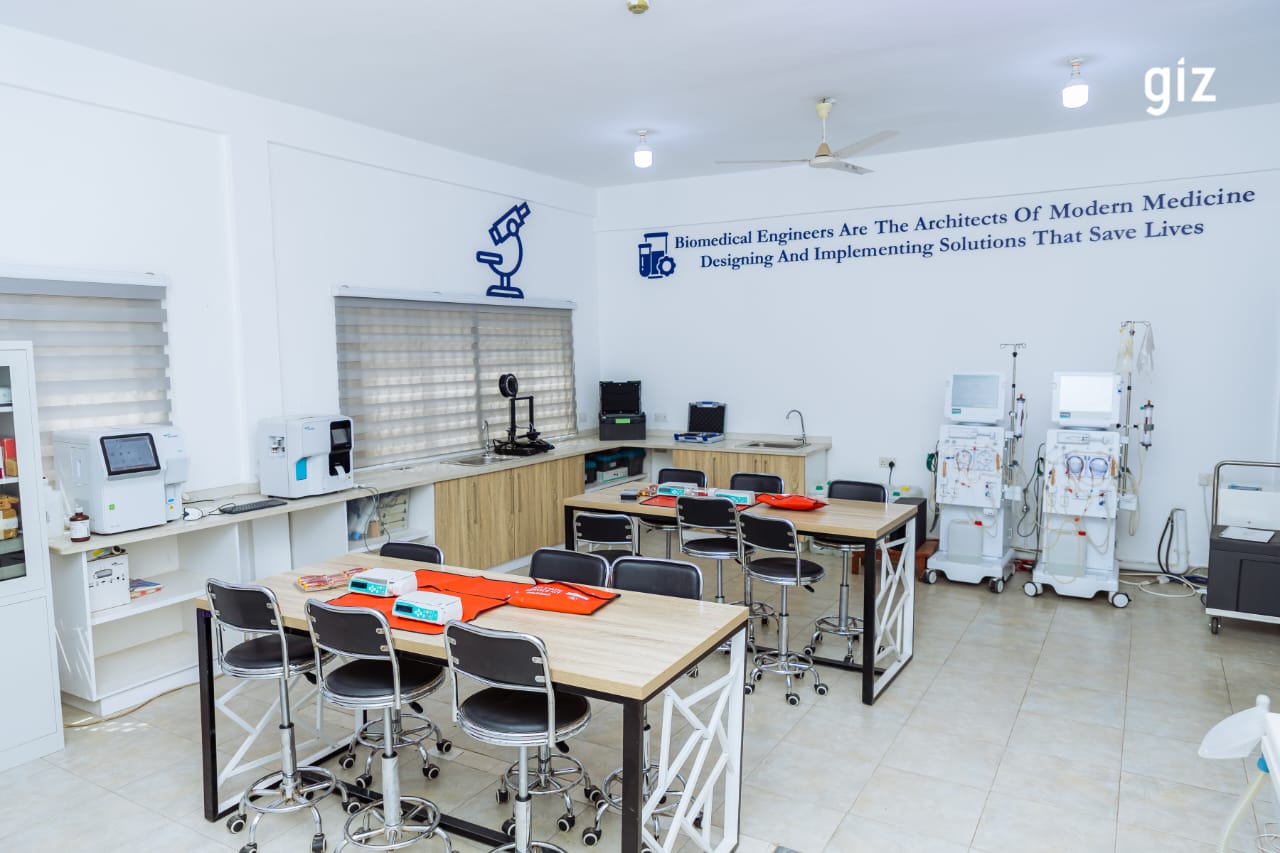
Within this partnership, the bioinstrumentation laboratories of the Biomedical Engineering Departments at the University of Ghana and Kwame Nkrumah University of Science and Technology have been upgraded by equipping them with state-of-the-art medical technologies.
Furthermore, Ghana and German academia are working on adjusting the curricula to meet the healthcare delivery system demand in Ghana.
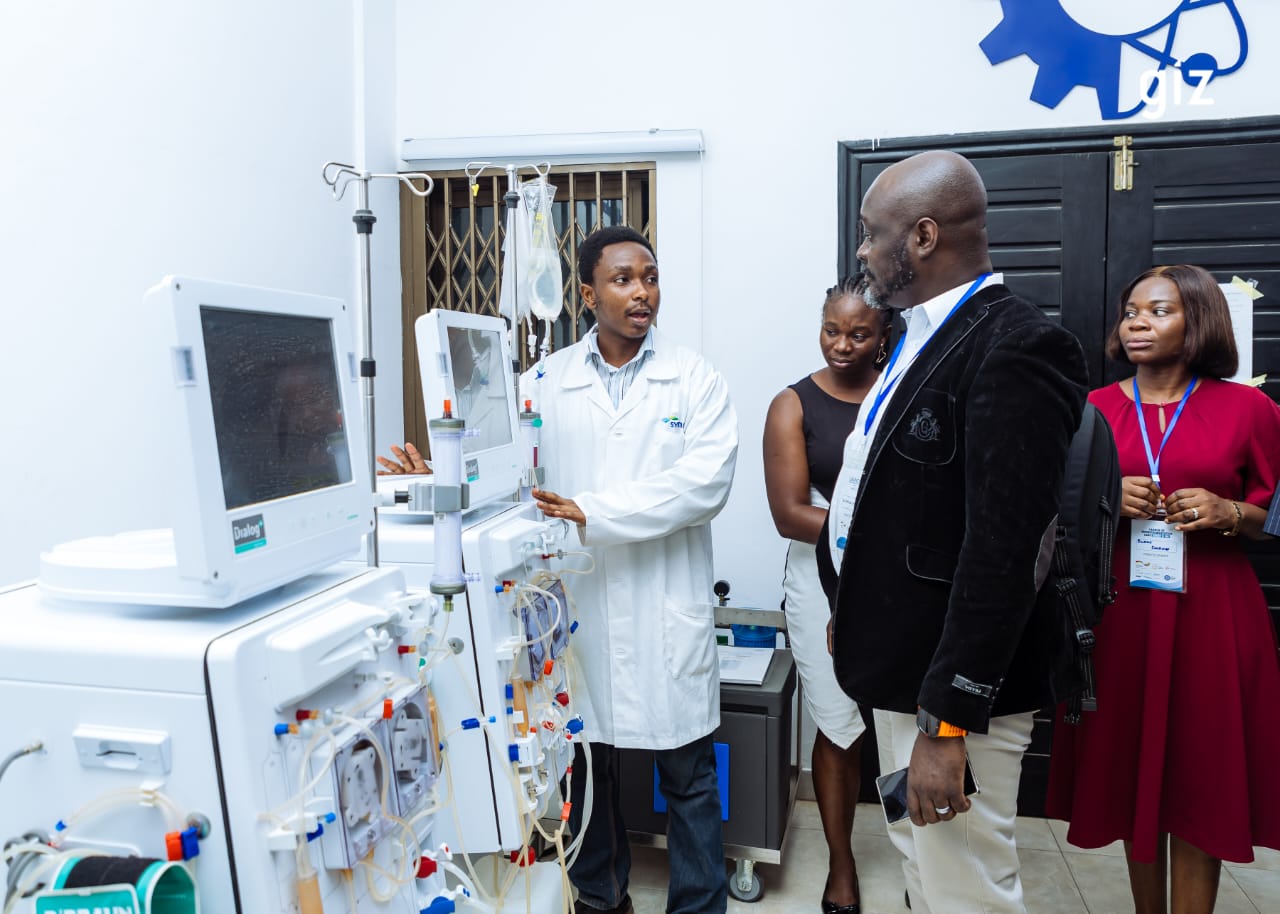
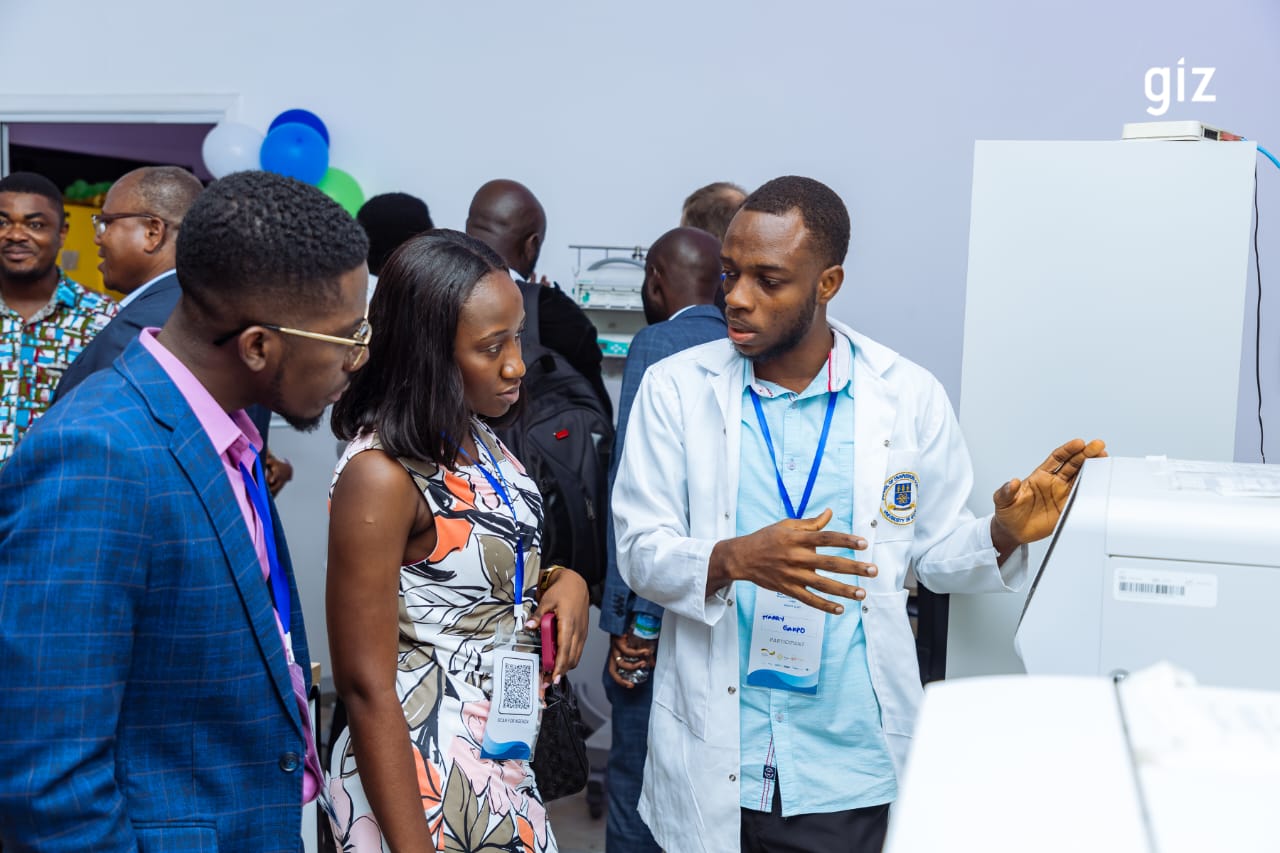
The labs are equipped with hospital-grade technologies including: Haematology analysers, X-ray systems, Dialysis machines, Infusion pumps, Aneasthesia machines, Electrical equipment such as: Oscilloscopes, Bench Multimeters and advanced diagnostic tools.
Beyond the lecture hall, students get practical experience by receiving training on modern equipment.
Dr Awinibuno said “Healthcare today is inseparable from technology. From diagnostic imaging and patient monitoring systems to laboratory automation and life-support equipment, modern medicine depends on precise, reliable health technology.
Yet technology alone does not save lives. Competent professionals who can install, maintain, calibrate, troubleshoot, and innovate around these systems are the true custodians of patient safety.”
He noted that, “Biomedical engineers stand at the vital intersection of engineering and medicine. They are the bridge between clinical intent and technical performance. When a ventilator functions accurately, when an imaging system produces a clear diagnostic output, when laboratory results are reliable, it is often the unseen work of biomedical engineers that safeguards those outcomes.”
He therefore emphasised that that launch of the project marks more than the unveiling of refurbished laboratory spaces.
“It marks the strengthening of Ghana’s capacity to engineer solutions for its own healthcare challenges. It marks a strategic investment in competence, innovation, and sustainability within our health system,” he stressed.

According to the Director of Allied Health, “These Bioinstrumentation Laboratories can serve as collaborative hubs, spaces where medical students, biomedical engineers, Laboratory scientists, computer scientists, and health administrators engage in multidisciplinary problem-solving.
Such collaboration has the potential to generate locally driven technologies that enhance patient safety, improve diagnostic accuracy, and reduce long-term system costs that come with healthcare delivery.”
Prof. Dr. Torsten Wagner, a Lead Consultant on the project, speaking on behalf of the five private companies said, “For the medical technology companies, access to graduates who already understand their equipment and industry standards is a game-changer.
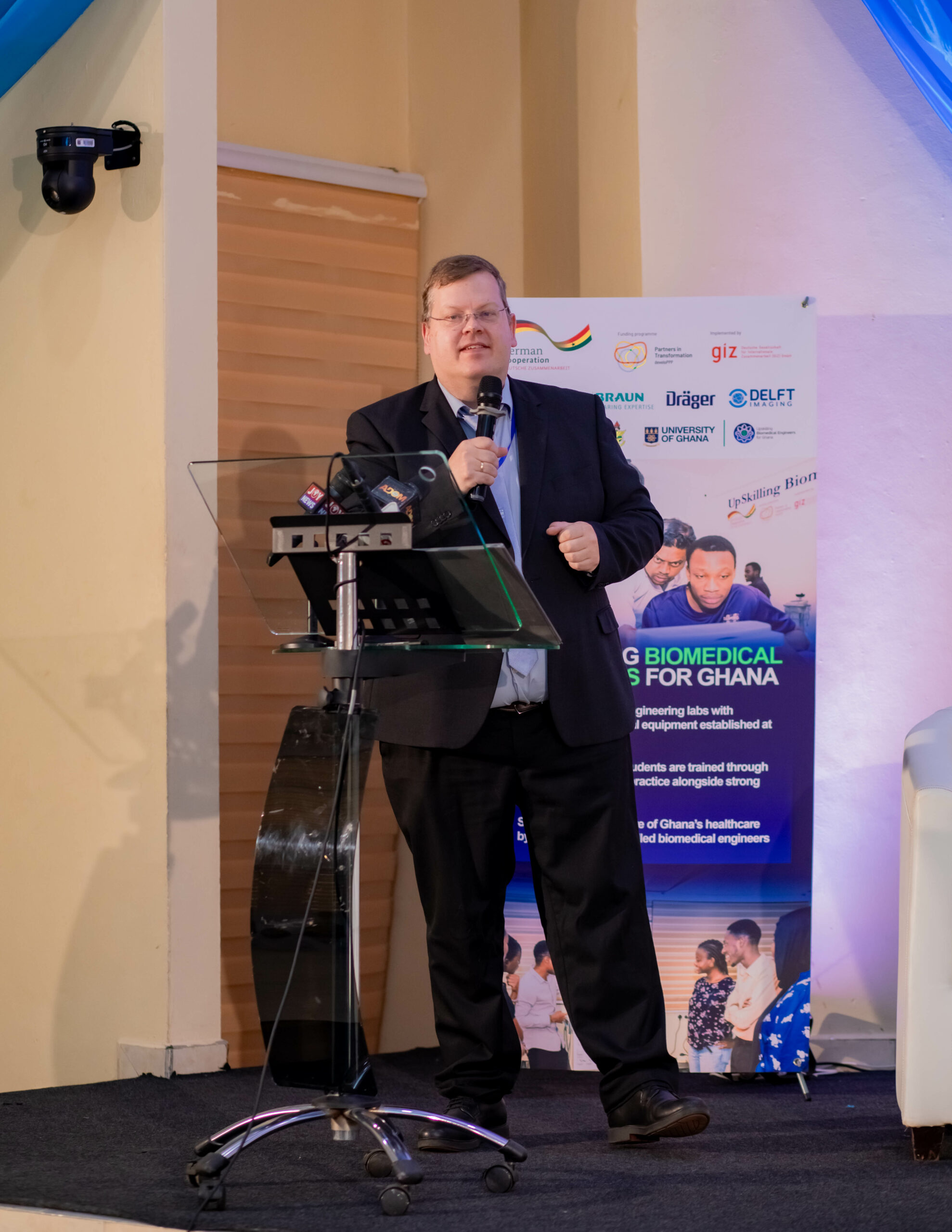
These labs will shorten onboarding time, boost productivity, and support the growth of local medical device services.”
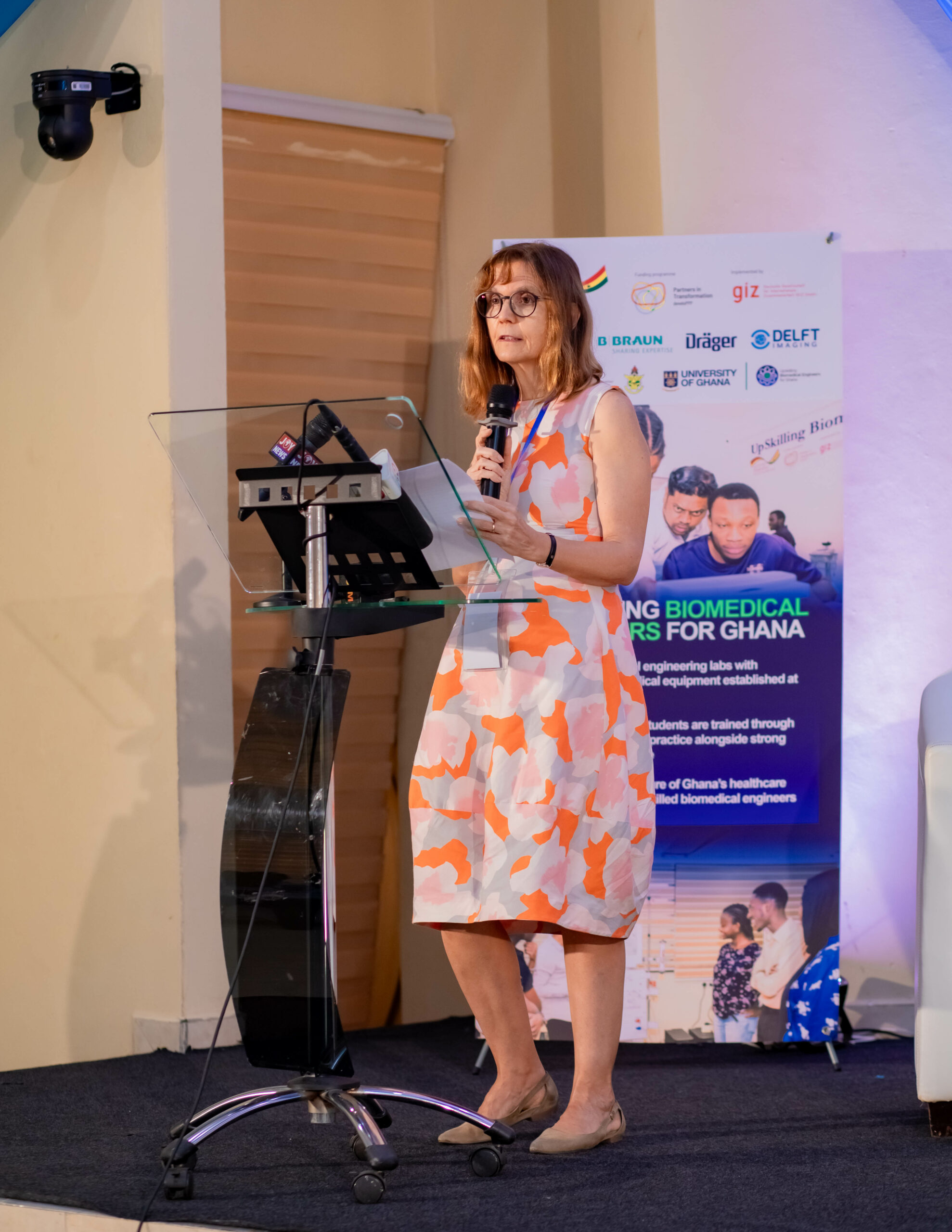
The Project Manager at GIZ Headquarters, Dr. Helene Widmer, also noted, “This project aligns with broader development goals; strengthening local capacity, improving healthcare outcomes, and creating sustainable employment opportunities for young Ghanaians.”