
The Ministry of Health has warned that the country faces a heightened risk of a cholera outbreak following the recent floods in Accra, citing poor sanitation and contaminated water sources as major public health concerns.
Health authorities are urging the public to remain vigilant and strictly observe hygiene and sanitation measures.
They say the risk of a cholera outbreak is real, with conditions created by recent flooding increasing the likelihood of the disease transmission.
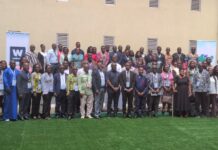
The warning came at a high-level meeting on the implications of water, sanitation, and hygiene, commonly known as WASH, following the floods that affected several communities across the capital.
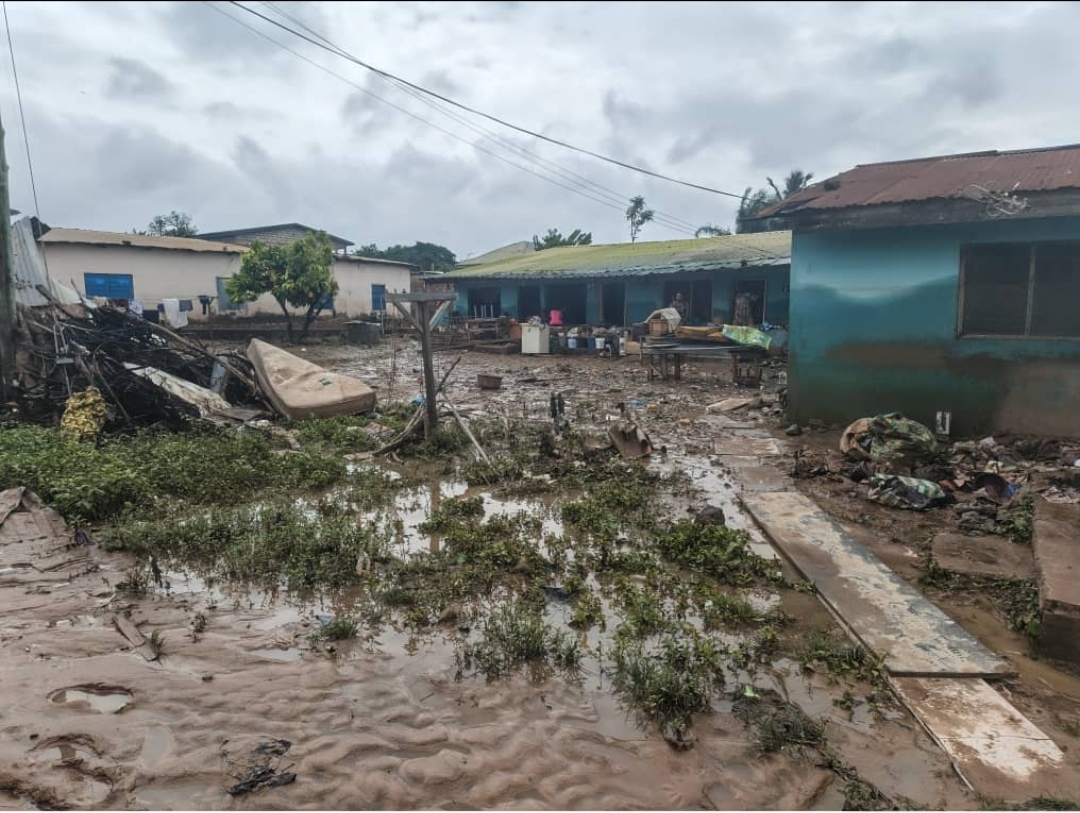
Health officials say stagnant water, overflowing drains, and poor waste disposal have heightened the risk of water-borne diseases, particularly cholera, which spreads through contaminated food and water.
The Director of Public Health at the Ghana Health Service Dr. Franklyn Asiedu Bekoe noted that coastal communities remain the country’s cholera hotspots due to longstanding sanitation challenges and high population density.
“As a service, we are reviewing our plans. To strengthen preparedness, the service will roll out a three-month response plan focused on enhanced disease surveillance, effective case management, community engagement, and intensified risk communication to educate the public on preventive measures. Our focus is more on prevention, because the risk factors are there,” he noted.
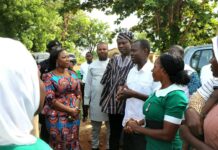
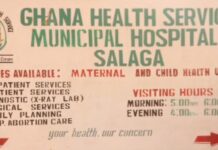
He urged Ghanaians to drink safe water, wash their hands regularly with soap, maintain clean surroundings, use hygienic toilet facilities, and report symptoms such as severe diarrhea and vomiting to the nearest health facility without delay.
The Minister of Health Kwabena Mintah Akandoh during the meeting also assured of the Ministry’s commitment to working with Metropolitan, Municipal, and District Assemblies and other stakeholders to reduce the risk of an outbreak as the rainy season continues.
“I want to reiterate the need for us to protect ourselves from the outbreaks. Let’s use clean water and eat warm foods. Use sanitizer and wash our hands well,” he urged.
By Sarah Apenkroh