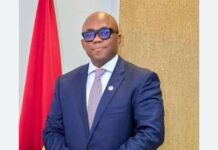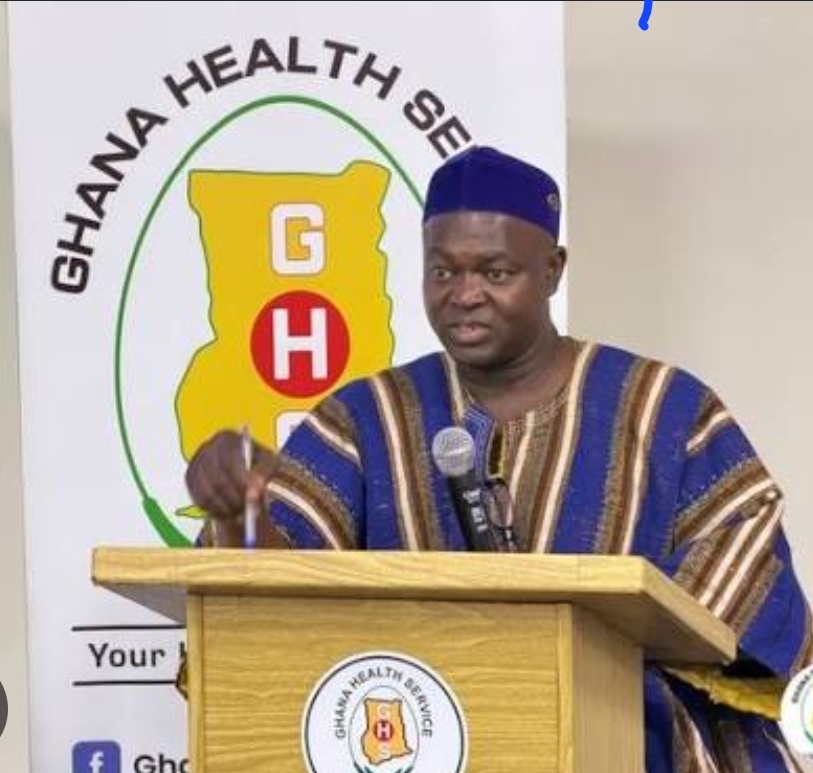

The Director-General of the Ghana Health Service (GHS), Professor Samuel Kaba Akoriyea, has announced the establishment of a special secretariat under his office to monitor and coordinate the implementation of the government’s flagship Free Primary Healthcare programme.
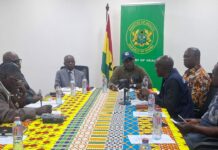
Speaking at the opening of the Ghana Health Service Senior Managers’ Meeting in Accra on June 2, Professor Akoriyea said the long-term success and credibility of the initiative will depend on the Service’s ability to deliver measurable results, improve implementation, and maximize the use of available resources through stronger integration of programmes under a single plan and budget.
He stressed that discipline, accountability, and adherence to established communication channels would be critical to achieving the programme’s objectives.
According to him, all levels of the health service must ensure that decisions, requests, and engagements follow the structures outlined in the Ghana Health Service and Teaching Hospitals’ Act to promote coordination, avoid duplication of efforts, and strengthen institutional coherence.
‘‘The credibility and sustainability of Free Primary Health Care will depend on our ability to generate a reliable dividend, measure results, and continuously improve implementation. The implementation requires strong integration of programs under one plan, one budget to maximize resources, both human and non-human resources. Let it be known that under the Office of the Director-General is a special secretariat to monitor all activities of free Primary Health Care implementation.’’ He noted.
While reaffirming that free primary healthcare remains the Service’s top priority, Professor Akoriyea urged managers not to lose sight of other operational challenges, including delays in National Health Insurance claims processing, quality of emergency care, legal concerns, and security within health facilities.
He called on facility managers to strengthen claims management systems, reduce avoidable claim rejections, and ensure timely submissions to safeguard financial stability and uninterrupted healthcare delivery.
The Director-General also announced plans to strengthen Ghana’s referral system by enforcing the gatekeeper role of primary healthcare facilities and introducing patient navigators to support referrals and improve access to appropriate levels of care.
‘‘I need you all, health managers to pay greater attention to the maintenance of health facilities, medical equipment, vehicles, staff accommodation, and office infrastructure. I believe we are all aware that poor maintenance directly affects service quality, staff morale, and public confidence.’’ He added.
On staff welfare, he revealed that efforts are underway to establish a staff health scheme, reintroduce the staff vehicle hire-purchase programme, and launch a Provident Fund for all Ghana Health Service workers in the coming weeks.
The two-day meeting focuses on practical solutions that will strengthen service delivery and help meet the growing expectations of Ghanaians.
By Sarah Apenkroh