
For many Ghanaians, the first point of contact with the health system is not a specialist hospital in the city, but a community clinic, a CHPS compound, or a health centre close to home.
Yet for thousands, distance, cost and limited access to services continue to stand between them and quality healthcare.
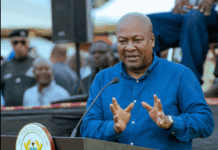
Health managers from across the country are meeting in Accra to explore how Ghana can strengthen free primary healthcare and bring essenti al health services closer to every citizen.
The aim of Universal Health Coverage is simply that no Ghanaian should be denied healthcare because of where they live or how much money they have.
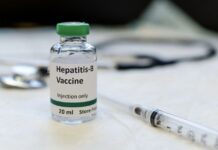
But for a pregnant woman in a remote community, a child needing immunisation, or an elderly person managing hypertension, that dream often depends on the strength of primary healthcare services.
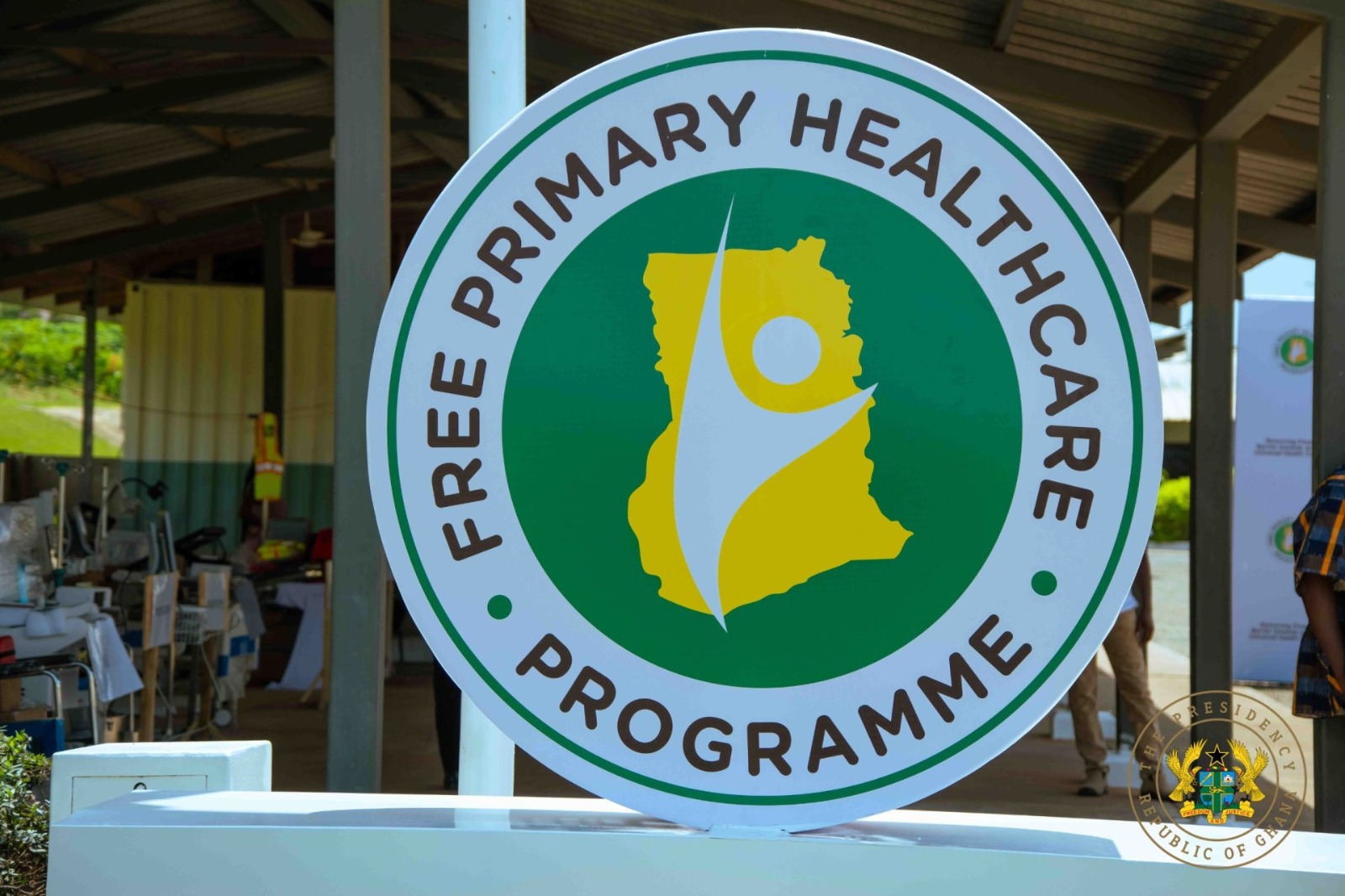
It is against this backdrop that the Ghana Health Service has convened its Senior Managers Meeting under the theme: “Championing Free Primary Healthcare to Achieve Universal Health Coverage: The Role of the Ghana Health Service.”
The three-day meeting brings together regional and district health directors, policymakers and health experts to assess progress and chart a path towards making quality healthcare more accessible and affordable for all.
Primary healthcare remains the backbone of Ghana’s health system, delivering preventive, promotive and basic curative services through health centres, Community-based Health Planning and Services compounds and district facilities.
Health experts say strengthening these frontline services could significantly reduce preventable illnesses, lower healthcare costs for families and ease pressure on referral hospitals.
Discussions at the meeting are expected to focus on expanding access to essential health services, improving healthcare infrastructure, addressing workforce challenges, embracing digital innovations and enhancing community participation in healthcare delivery.
The gathering also comes at a time when Ghana is working to accelerate progress towards the Sustainable Development Goals and improve health outcomes amid growing demands on the healthcare system.
For the Ghana Health Service, the conversation is not merely about policies and plans. It is about ensuring that a child in Bawku, a farmer in Sefwi, a fisher folk family in Ada and a market woman in Accra can all access quality healthcare without financial hardship.
By Sarah Apenkroh