
About 80 people die from cancer every day in Kenya, with 30 percent of the country’s case burden centered in the capital Nairobi, that’s according to data from the National Cancer Institute of Kenya.
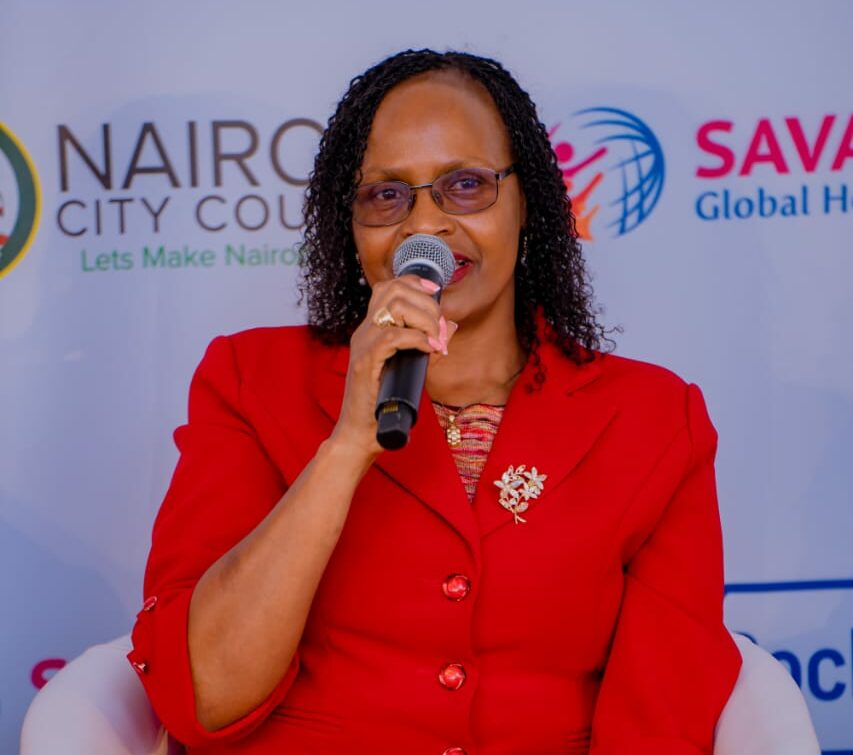
Speaking during a field visit to Mbagathi County Hospital as part of activities marking Africa Press Day, Emily Dasito, Head of Strategy, Planning, Partnerships and Resource Mobilisation at the institute, said late diagnosis remains the biggest challenge in the country’s fight against cancer.
She however, expressed optimism that the introduction of the Empower digital platform will significantly improve early detection and patient care.
According to the institute, Kenya records about 44,726 new cancer cases annually, with 29,276 deaths each year. On average, about 122 people are diagnosed with cancer every day.
Health officials say that many patients in Kenya are diagnosed at advanced stages, limiting treatment options and worsening survival outcomes. To address this challenge, cancer screening services have been expanded and made free at multiple levels of the healthcare system, with over 180 clients screened daily on average.
‘‘Currently, Kenya records 44,726 new cancer cases year. This means, we are talking about every single day, 122 people getting cancer diagnoses in this country. Every hour, we have five people getting a cancer diagnosis. The mortality rate is significantly high. The challenge has always been late diagnosis” she said.
According to her, a Digital system linked to the Empower platform are now helping improve screening data tracking and patient navigation across the country’s healthcare network.
Through integration with the national cancer registry, health authorities can access real-time screening and diagnosis data, enabling better planning, policy development and targeted interventions.

H.E Dorothy Nyongo, the managing trustee of Africa Cancer foundation and first lady of Kisumu County would want governments to focus more on the grassroots during implementation of interventions.
‘‘It’s important that the interventions are targeted to the grassroots and not centered in the urban centers’’. She said.

The Empower initiative is a multi-stakeholder programme developed through collaboration between Roche, the National Cancer Institute of Kenya, county governments and other health partners. The programme aims to improve early detection and access to care for breast and cervical cancer in Kenya.
By Sarah Apenkroh