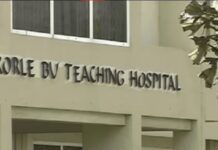

The Ear, Nose and Throat (ENT) Department of the Korle Bu Teaching Hospital is calling on government to invest in modern equipment to enhance the treatment of patients requiring ear and hearing care.
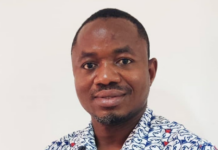
The Chief Audiologist at the Hearing Assessment Centre of Korle Bu, Jemima Fynn, made the appeal during a partnership with Qatar Charity Ghana to support five patients undergoing cochlear implant surgery.
The initiative is aimed at restoring hearing for patients suffering from profound hearing loss, giving them an opportunity to improve their quality of life.

About five percent of the population is affected by hearing loss, cutting across both children and adults. However, in children, the condition is often more severe, especially when it occurs before they acquire language.
When hearing loss happens early in life, it becomes more debilitating, as it significantly affects a child’s ability to develop optimally.
This includes challenges in language acquisition, as well as psychological, social, and economic development, ultimately limiting their ability to fully participate in society.
This is why the issue must be addressed with urgency. Hearing loss can result from complications during childbirth, the health status of the mother, and other high-risk conditions.
Some children, for instance, develop neonatal jaundice or may require exchange transfusions, while others may be affected by infections linked to maternal conditions. All these factors can contribute to hearing loss.
However, early detection remains critical, as it allows for timely intervention and significantly improves outcomes for affected children.
Currently, there is no nationwide system for the early detection of hearing loss, meaning identification often depends on parents reporting concerns. As a result, many children are diagnosed late.
In most cases, children are brought in at the age of three or four, by which time they have already missed critical periods for language development. This delay often leads to more severe long-term effects.
Intervention for hearing loss typically begins with the use of hearing aids, depending on the severity of the condition.
However, for children with severe to profound hearing loss, hearing aids may not be effective.
In such cases, cochlear implantation becomes the preferred option, as it helps restore hearing and significantly improves the child’s ability to communicate and develop.

Cochlear implantation in Ghana began in 2021, with several sessions conducted in collaboration with external partners.
One of the key partners at Korle Bu is MED-EL, an Austrian-based manufacturer of cochlear implants, with whom the hospital has worked extensively.
So far, about 22 patients have undergone the procedure over the past few years, with some receiving implants in their two ears and others one ear.
Currently, the cost of the procedure is borne largely by patients and their families, either through personal funds or by sourcing financial support.
This makes the treatment quite expensive, and many children who require cochlear implants are unable to access the service due to the financial burden.
Health professionals say this remains a major challenge, limiting access to life-changing interventions for patients with severe hearing loss.
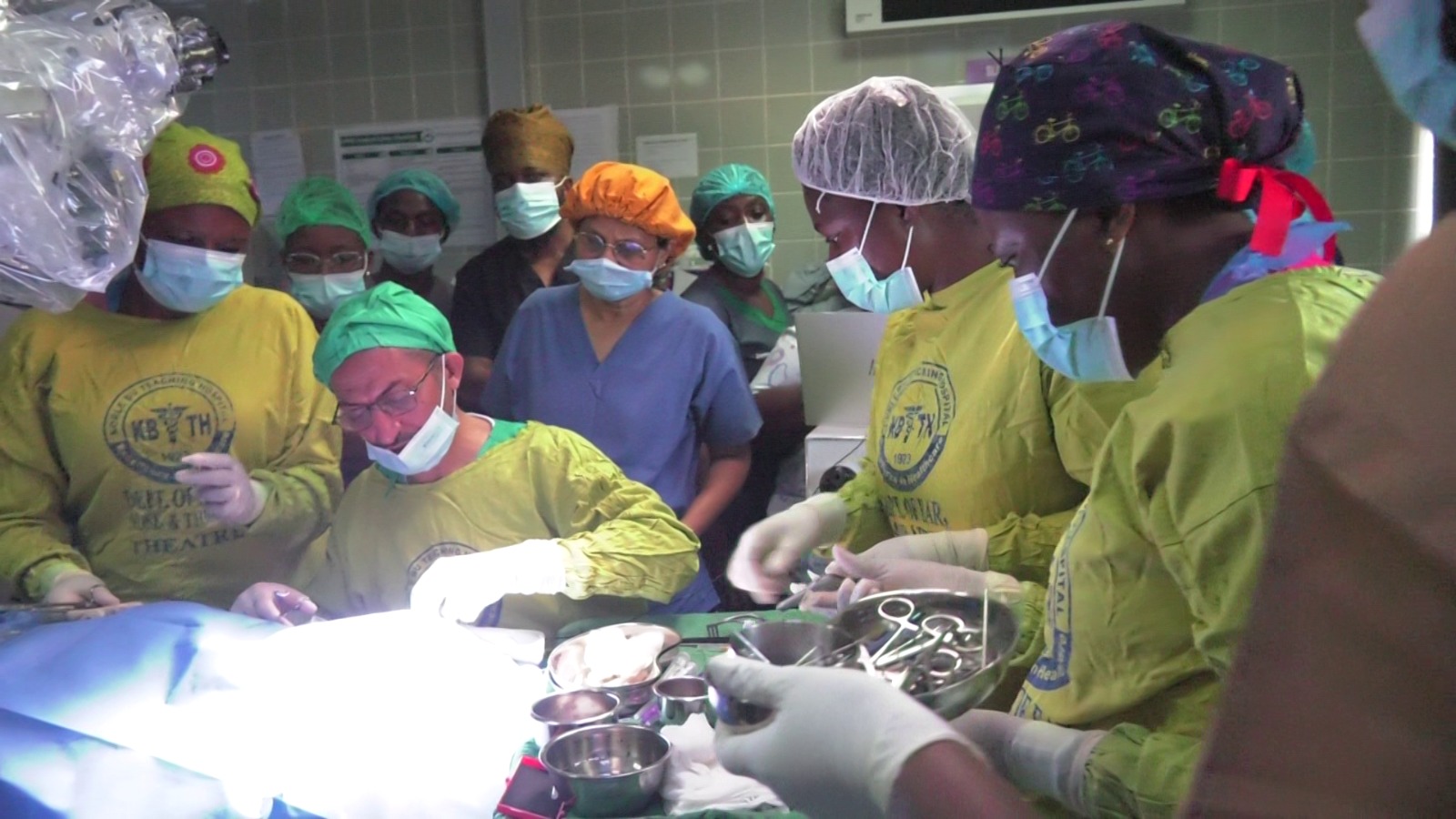
Under the current programme, five children have been selected to benefit from sponsorship by Qatar Charity Ghana, which will fully cover the cost of their cochlear implant procedures in one ear.
Health officials describe this as a significant intervention that will transform the lives of the beneficiaries, expressing gratitude for the impact of the initiative.
The Chief Audiologist at the Hearing Assessment Centre of Korle Bu, Jemima Fynn, said the country still has limited capacity for cochlear implantation.

“Currently, most of the procedures are carried out at the Korle Bu Teaching Hospital, which serves patients from across the country.” She indicated.
She cited patients currently undergoing treatment are from Tamale, as there is inadequate surgical infrastructure and limited capacity in that region to conduct the necessary assessments and procedures.
“As a result, patients are referred to Korle Bu for comprehensive care, including audiological evaluations, speech therapy assessments, and the surgical implantation itself. We have the specialist, the human resource, but infrastructure is our major disadvantage, and so we want to appeal that attention should come to Ear and Hearing Care, we want the Ministry of Health and all policymakers that to know that Ear and Hearing Care is also an area that needs attention.” She appealed.
“Disability with hearing impairment is quite hidden, and so a lot of people suffer it in silence. But if there are resources available, to identify them early, and then intervention will be done as early as possible, and then we all get optimum benefits from it.”Mrs Fynn added.
Mrs. Fynn reiterated that the cost of cochlear implantation remains a major challenge, with patients paying approximately 22,000 dollars for one ear treatment out of their pocket. For extended care, costs may be adjusted, but the financial burden remains significant.
She attributed the high cost to the fact that most of the equipment and devices are imported and subject to taxes and import duties. These additional charges significantly increase the overall cost, which is ultimately borne by patients and their families.
Mrs Fynn therefore appealed to government to consider reducing or waiving taxes on hearing devices, noting that such support would make treatment more affordable and accessible to many families.
Senior ENT cochlear implant consultant professor Abdulkareem Al-Balasi who performed the surgery said rehabilitation from process is crucial for patients to restore their hearing.

The specialist added that cochlear implantation requires a multidisciplinary medical team, involving coordinated efforts to ensure successful assessment, surgery, and post-operative care.
By Kingsley Adusei-Amakye