
Journalists have been cautioned against amplifying misinformation, disinformation, and hate speech, particularly during humanitarian crises.
Misinformation, disinformation and hate speech often referred to collectively as Harmful Information pose severe dangers during humanitarian crises, transforming already volatile situations into deadly ones.
In disasters or conflicts, where accurate information is vital for survival, these narratives are believed to mislead people away from safety, incite violence against minorities, and jeopardize the neutral efforts of aid organizations.
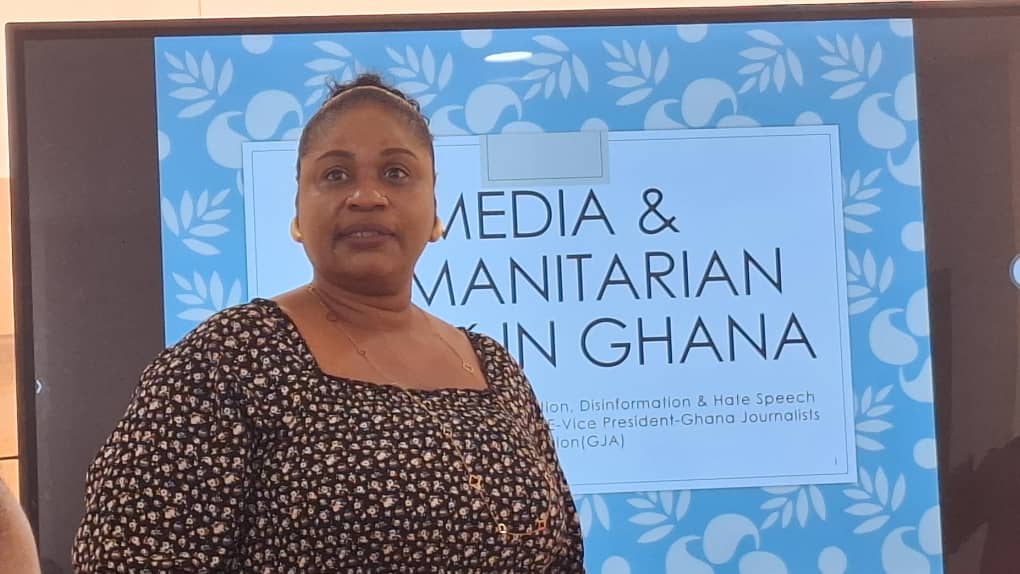
Speaking at a Media Engagement Workshop organized by the Ghana Red Cross Society, Vice President of the Ghana Journalists Association, Rebecca Ekpe emphasized the critical role the media plays in shaping public perception and response during emergencies.

She noted that the spread of false or misleading information in humanitarian situations can escalate tensions, endanger lives and hinder relief efforts.
‘‘inaccurate reporting can create panic, deepen divisions and misdirect essential aid away from vulnerable communities. It has the tendency of inciting conflict instead of cohesion among communities. We also contribute to disrupting emergency response when we push misinformation, disinformation and also social division,” she said.
The journalists were cautioned to uphold the highest standards of ethical reporting by verifying information before publication and avoiding sensationalism. Stressing that media practitioners must be mindful of the language they use, especially when covering sensitive issues that could inflame public emotions or incite hate.
Participants were also taken through strategies to identify and counter misinformation, as well as best practices for reporting in ways that support humanitarian response and protect affected populations.
Madam Ekpe concluded by reminding journalists that their work carries significant influence and that responsible reporting can contribute to saving lives and maintaining social cohesion in times of crisis.

“Verify before publishing. Prioritize human dignity, avoid sensationalism, information is very critical in disaster reporting. It can either kill or revive the people,” she charged.
The workshop, organized by the Ghana Red Cross Society, aimed to strengthen collaboration between humanitarian actors and the media, while promoting responsible reporting during crises such as floods, conflicts and public health emergencies.
By Sarah Apenkroh