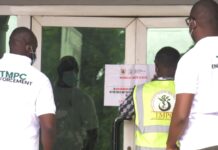

The Traditional Medicine Practice Council says efforts to eliminate quack practitioners from Ghana’s traditional and alternative medicine space have become a central pillar of sweeping reforms undertaken over the past year.
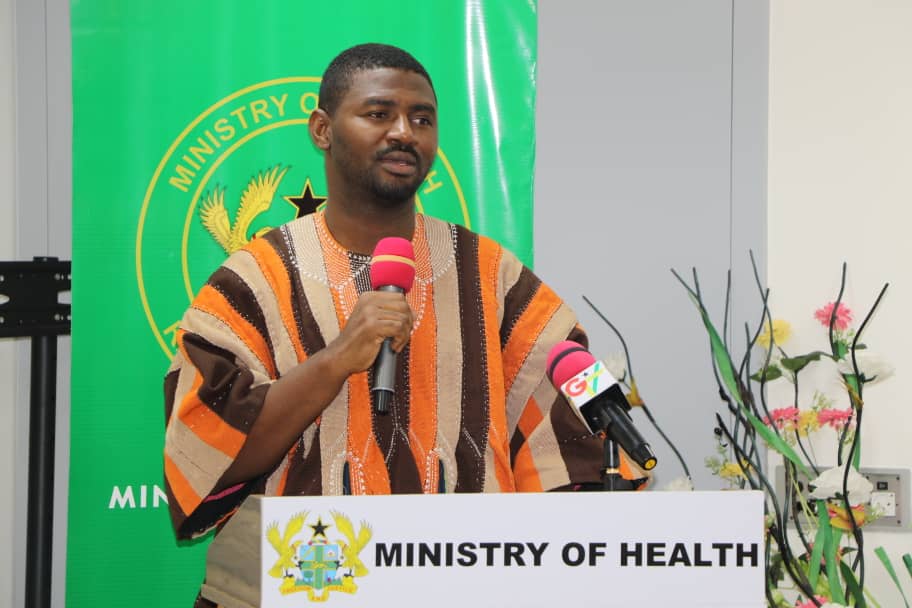
This comes as its Acting Registrar, Dr. (MH) Yakubu Tobor Yusuf, marks one year in office, with the Council pointing to significant progress in strengthening regulation and safeguarding public health.
According to the Acting Registrar, his tenure is focused on developing and regulating Ghana’s traditional, herbal and alternative medicine sector into a globally competitive industry that delivers safe, effective and evidence-based products, while creating sustainable jobs across the value chain.
The renewed focus on sanitising the sector is backed by a comprehensive strategic plan aimed at strengthening regulatory systems, enhancing stakeholder collaboration, and promoting sustainable growth.
Over the past twelve months, the Council says it has repositioned itself into a more modern, responsive and forward-looking regulatory body, with leadership placing emphasis not just on vision but execution.
As part of the reforms, the Council has expanded its operations through decentralisation, bringing services closer to practitioners across the country.
New and renovated district and regional offices have improved access and operational efficiency, with the Acting Registrar undertaking working visits across five regions in Northern Ghana, as well as the Volta and Bono and Bono East regions, to secure office spaces and deepen the Council’s presence.
In line with modern public sector reforms, the Council has also embraced digital transformation, with the introduction of the Ghana.gov payment platform enhancing revenue collection, transparency and administrative efficiency.
Internally, staff welfare has been prioritised, including a 15 percent increase in allowances for contract staff and the clearance of long-standing promotions, moves the Council says have boosted morale and strengthened its human resource base.
Infrastructure development has also been key, with new office spaces secured and renovation works ongoing at the Council’s head office to improve service delivery.
Additionally, all outstanding Traditional and Alternative Medicine Assistant training sessions from 2023 have been completed to strengthen staff capacity and uphold regulatory standards.
On the governance front, the Council is set to inaugurate its first Audit Committee, while key leadership roles in human resource, accounts and internal audit units have been filled to enhance oversight and accountability.
After one year in office, the Traditional Medicine Practice Council says it has laid a solid foundation for sustained reforms, with a firm commitment to sanitising the sector and positioning it for long-term growth.